



















From a Farm in Central Ohio to the Boardrooms of Fortune 500 Companies
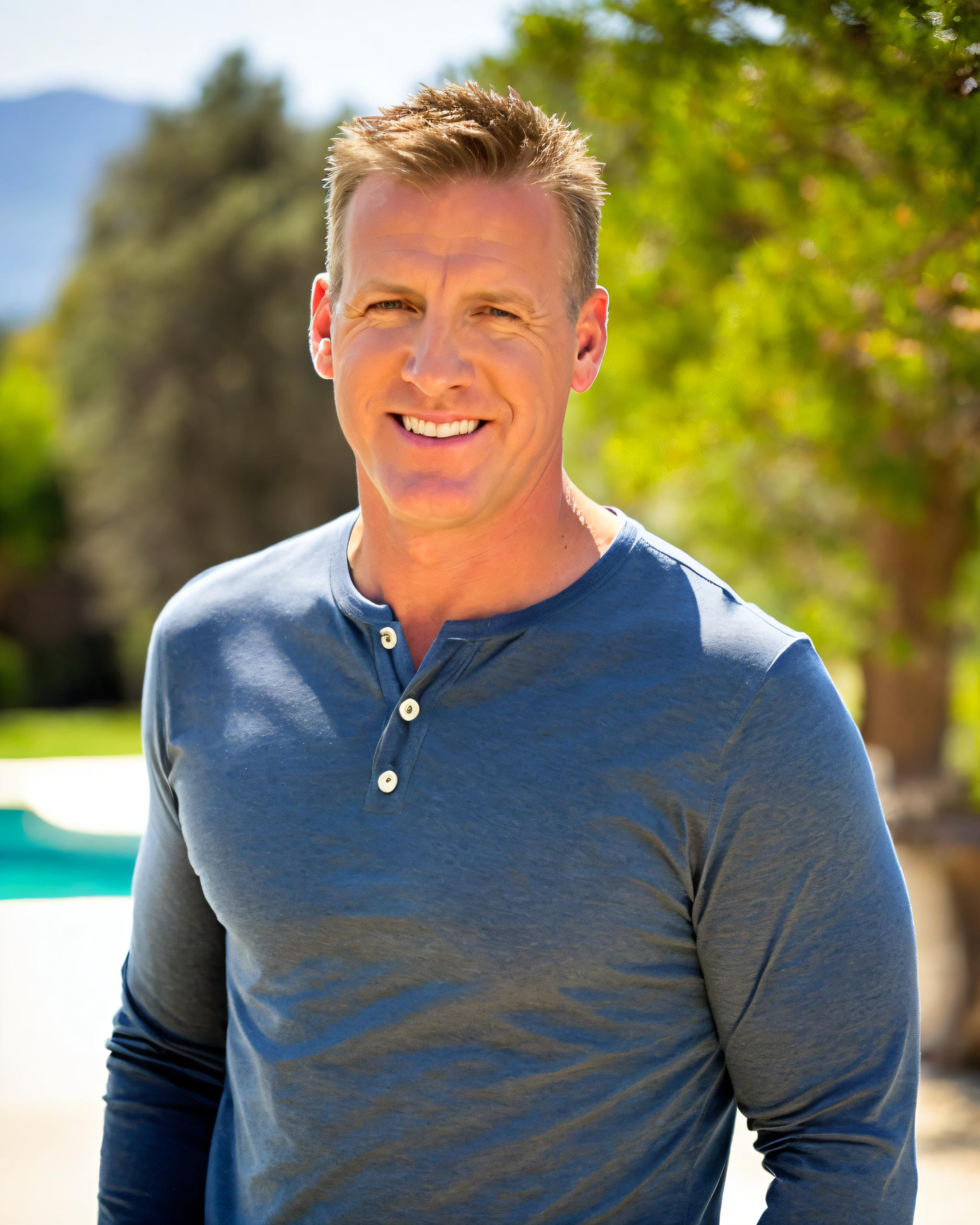
I grew up on a farm in central Ohio, in a family where nobody had ever gone to college. My grandfather—my “Papaw”—was a World War II Army medic. My dad was a Vietnam-era Marine infantryman. There wasn't much money, but there was never a shortage of stories.
My Papaw was the greatest storyteller I've ever known. He could hold an entire room with nothing but his voice and a story that made you feel something. I didn't realize it at the time, but he was teaching me the most important skill I'd ever learn: how to connect with people through the power of narrative.
I became the first person in my family to graduate college straight out of high school, and I spent my corporate career in biotech, where I led several product launches for genetic cancer therapies. One of those therapies was for brain cancer. It was there—surrounded by neuroscientists, oncologists, and researchers—that I fell in love with the science of the brain.
I realized that outside of academia, most of corporate America didn't understand how the brain actually worked. Otherwise, we wouldn't communicate with customers and employees the way we were doing it.
That insight changed everything. I saw sales teams relying on logic and features when the brain makes buying decisions emotionally. I saw leaders managing with authority when the brain responds to trust. I saw presenters burying their audiences in data when the brain is wired for story.
So I left corporate America and founded Braintrust with a single mission: teach others what neuroscience reveals about how we communicate, connect, and drive change.
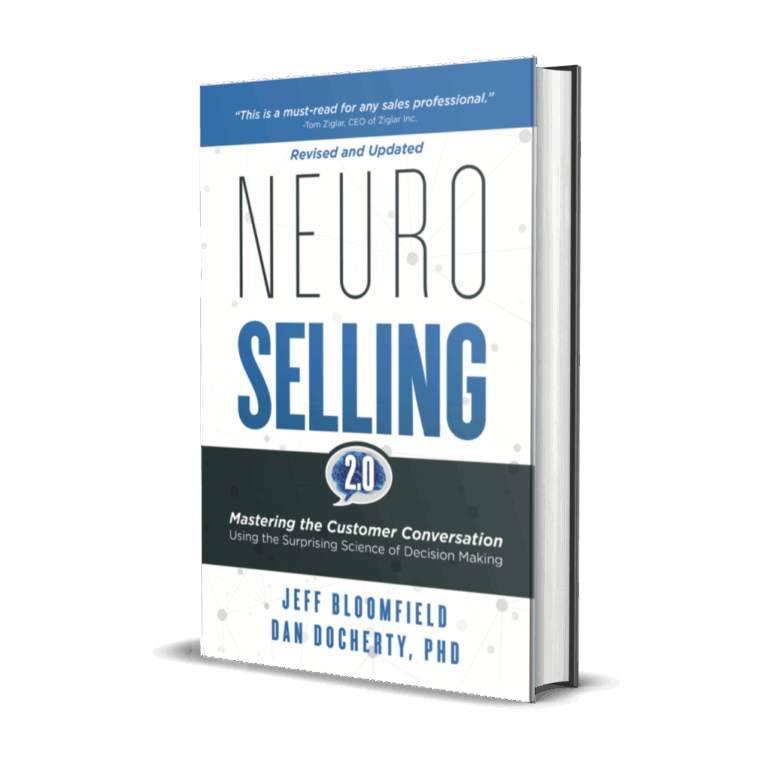
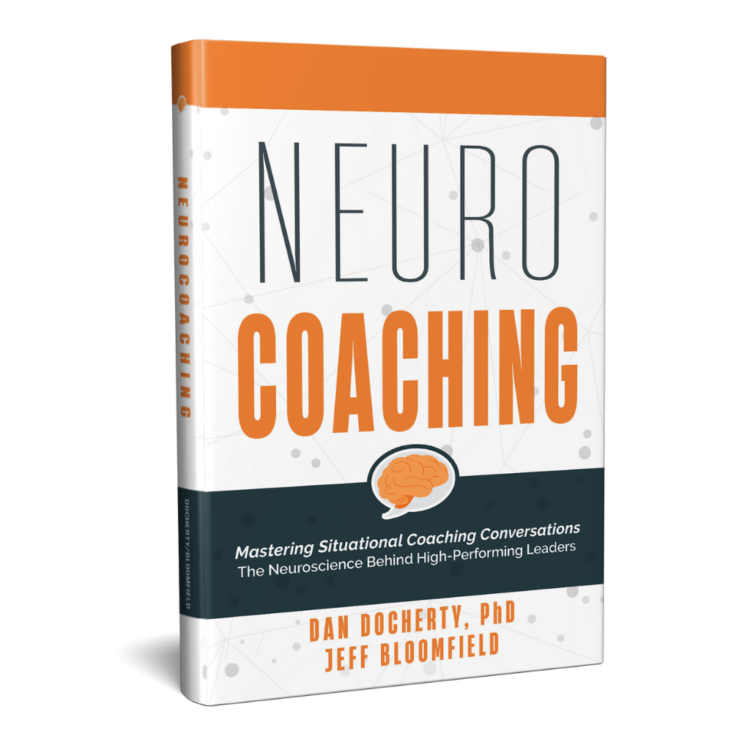
Along the way, I created the NeuroSelling® methodology for sales teams and the NeuroCoaching® methodology for leaders—proprietary frameworks that have helped Fortune 500 companies generate millions in new revenue and transform their cultures, one conversation at a time.
Oh, and somewhere in there I also beat cancer. That experience gave me a perspective that shows up in every keynote I deliver: life is short, your work should matter, and the way you communicate with the people around you is the most important skill you'll ever develop.
My keynotes have been described as equal parts TED Talk, church revival, and locker room halftime speech. I'll take that. Because what I do on stage isn't just a presentation—it's a conversation about what's possible when we stop communicating the way we've always done it and start communicating the way the brain is actually wired to receive it.