
AI and the Workforce: What Every Leader Needs to Know in 2026
About
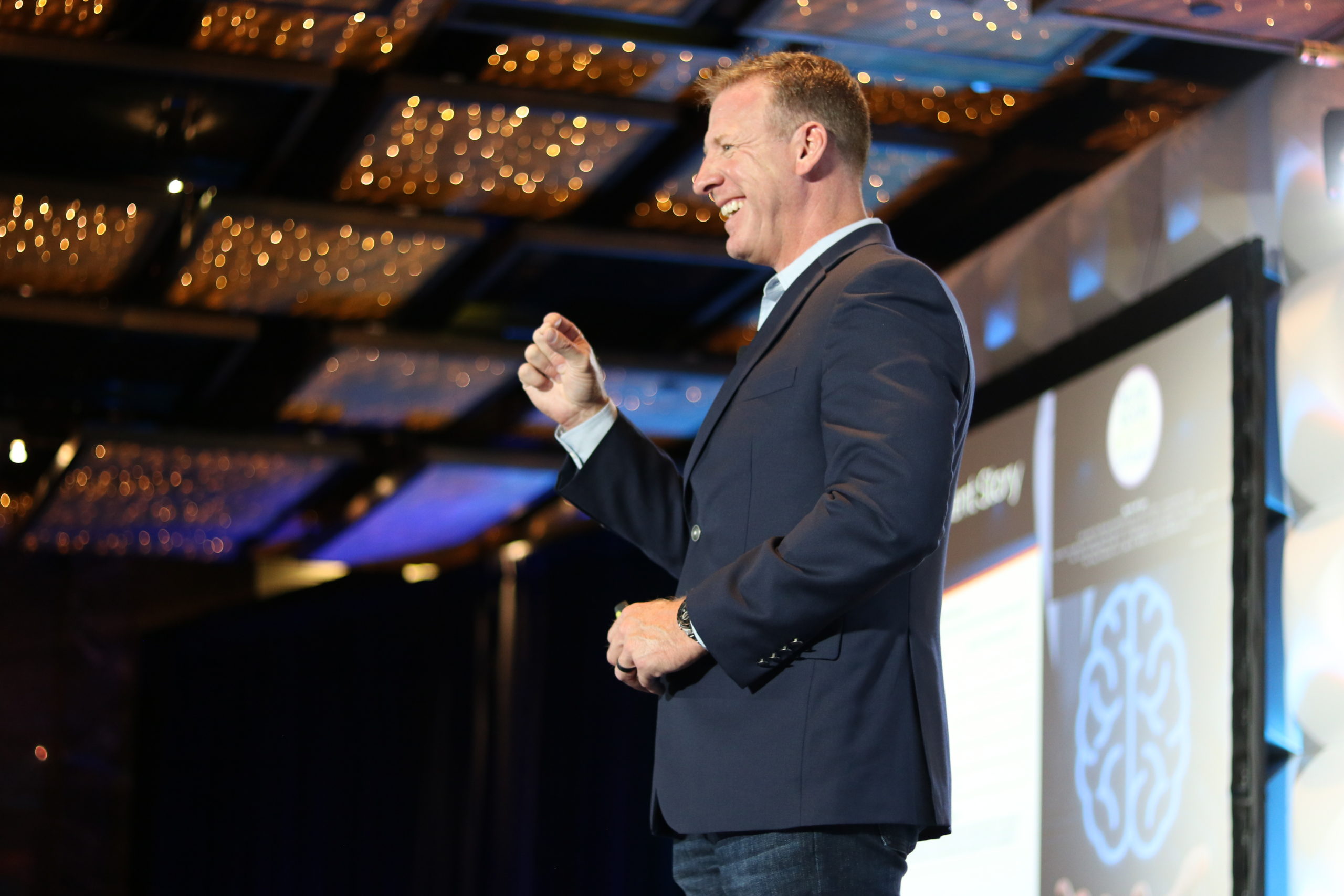
Jeff Bloomfield is a keynote speaker, Wall Street Journal bestselling author, and the founder of Braintrust. He has spent over 20 years helping Fortune 500 organizations navigate the intersection of human performance, neuroscience, and technology-driven change.
Experience Highlights
- 500+ keynotes delivered across five speaking verticals
- Former biotech executive, Wall Street Journal bestselling author
- Clients include Johnson & Johnson, Salesforce, UnitedHealthcare, Genentech
Areas of Expertise
The conversation about AI and jobs has been dominated for three years by speculation, fear, and breathless headlines. In 2026, we finally have enough data to move past the speculation. What the data says is more complex, more nuanced, and ultimately more actionable than the headlines have suggested.
The short version: AI is displacing work, creating work, and fundamentally changing the skills required for almost every role. The organizations that navigate this best are not the ones that deployed the most AI tools. They are the ones whose leaders understood what the shift means for people and communicated about it honestly.
The Dual Reality: Displacement and Growth
The World Economic Forum projects that by 2030, AI-related disruption will affect 22% of all jobs. That sounds alarming. The full picture is more instructive.
| Workforce Segment | AI Impact | Required Response |
|---|---|---|
| Routine cognitive work | High displacement risk | Reskilling toward judgment and interpretation |
| Complex human-facing roles | Augmentation opportunity | Build AI fluency alongside human skills |
| Creative and strategic roles | Significant productivity gain | Integrate AI tools; protect human judgment |
| Technical AI roles | Rapid growth | Targeted hiring and development |
The displacement number gets the headlines. The 97 million new roles number barely gets mentioned. Leaders who only communicate the first number without the second are creating unnecessary anxiety in their organizations.
What the Data Actually Shows About Skills
The skills gap in 2026 is not primarily a technical skills gap. It is a human skills gap.
Research from the World Economic Forum, BCG, and multiple workforce analytics firms points to the same finding: professionals who combine technical AI fluency with strong human capabilities are in dramatically higher demand than those with either alone.
What is growing fastest in demand:
- Contextual judgment: The ability to apply human experience to AI-generated outputs and know when they are wrong
- Trust-based communication: Building genuine relationships and credibility in environments where AI handles transactional interaction
- Ethical reasoning: Making decisions when efficiency and values are in tension
- Creative synthesis: Combining AI-generated options with human imagination and original thinking
- Leadership under uncertainty: Guiding teams through continuous change without clear playbooks
These are not soft skills. They are the hardest skills to develop, the hardest to automate, and the most valuable in an AI-augmented economy.
What This Means for CHROs and People Leaders
The workforce implications of AI are no longer primarily a technology decision. They are a people strategy decision. And in most organizations, people strategy is not moving at the speed AI is.
Workforce planning has to become forward-looking. Most organizations still do workforce planning based on current role requirements. In 2026, that planning needs to include a genuine assessment of which roles are likely to be transformed in the next 24 months and what capabilities the people currently in those roles can develop.
Development strategy has to prioritize human-AI collaboration skills. The instinct is often to train people on specific AI tools. The higher-leverage investment is in the meta-skills that make people effective regardless of which tools change: judgment, communication, learning agility, and the ability to apply human context to AI-generated recommendations.
The CHRO and CIO relationship has to evolve. BCG research published in 2026 argues that organizations can no longer separate people strategy from technology strategy. The two functions have to jointly own workforce design in an AI-augmented environment.
Communication is a workforce strategy tool. The organizations that are managing the AI workforce shift most effectively have leaders who communicate proactively and honestly about what is changing. Not just what AI will do. What it means for people.
The Skills That Actually Matter More Because of AI
This is the most important thing leaders can communicate to their teams right now, and most are not saying it clearly enough.
AI makes human skills more valuable, not less. As AI handles more routine work, the remaining work that humans do is disproportionately the work that is most human: the ambiguous, the relational, the creative, the ethical, the novel.
The people who will thrive in an AI-augmented workforce are those who are genuinely skilled at the things AI cannot yet replicate: trust-building across difference, judgment under pressure, authentic storytelling, and emotional navigation. These are the core skills that will drive organizational performance in every industry, at every level, for the foreseeable future.
How to Lead Your Team Through the Workforce Shift
- Be honest about what is changing. The instinct is to reassure. But empty reassurance erodes trust faster than honest complexity. Name the change. Name the uncertainty. Then name what you are doing about it.
- Give people a human anchor. Tell your team explicitly what makes them valuable that AI cannot replicate. Be specific to their actual roles and actual contributions.
- Invest visibly in their development. If the only investment employees see is AI tools, they will conclude that the organization's bet is on the technology, not on them.
- Create psychological safety around AI uncertainty. Make it normal and healthy for people to question AI outputs, identify errors, and push back when AI recommendations conflict with their judgment.
What an AI Keynote Can Do That a Strategy Document Cannot
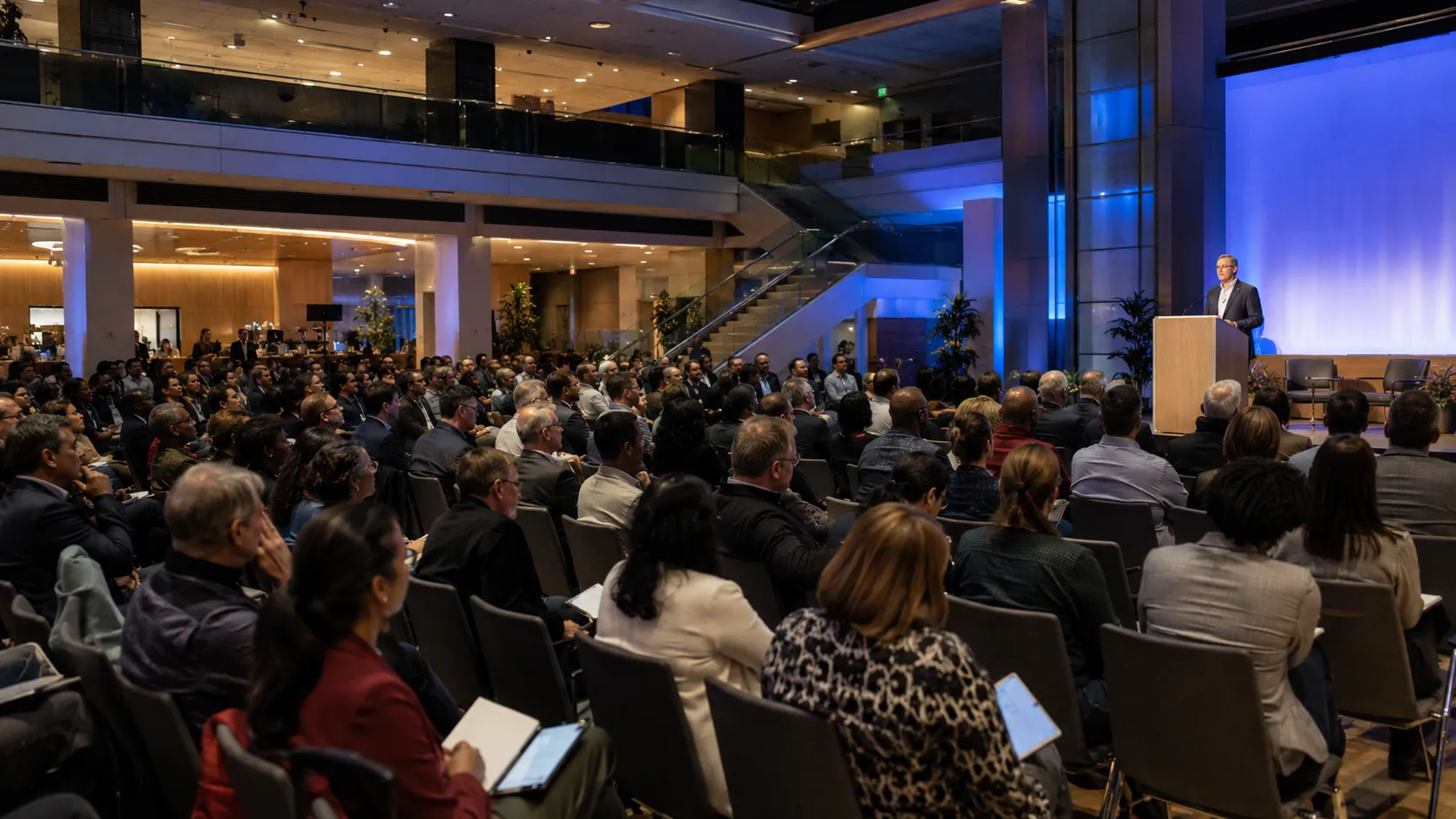
Workforce strategy documents get read by the people who write them. Keynotes reach everyone in the room at the same time.
The most powerful thing an organization can do at the inflection point of an AI workforce shift is create a shared moment where everyone hears the same honest, human-centered framing of what is happening and what it means for them. That is what an AI keynote designed for workforce transformation delivers.
Jeff Bloomfield's keynotes address the anxiety directly, use neuroscience to explain why the human brain responds to AI the way it does, and give audiences a framework for understanding their value in an AI-augmented world. His clients include CHROs and people leaders at Johnson & Johnson, UnitedHealthcare, Genentech, Snowflake, and Deloitte.
Frequently Asked Questions
What will AI do to the workforce by 2026 and beyond?
The most accurate current picture: AI will displace approximately 85 million jobs by 2028 while creating 97 million new roles that require uniquely human skills (World Economic Forum). The net effect is more work for people who can combine human capability with AI fluency. The disruption is real and significant, but it is not a simple story of replacement.
What skills will matter most in an AI-driven workforce?
The skills that matter most in an AI-driven workforce are precisely the ones AI cannot yet replicate: contextual judgment, trust-based communication, ethical reasoning, creative synthesis, and leadership under uncertainty. These are increasingly the skills that determine professional performance and organizational results.
How should CHROs approach AI workforce planning?
CHROs should pair AI tool deployment with visible human development investments, create forward-looking workforce plans that account for role transformation over the next 24 to 36 months, and partner with their CIO or technology leadership to jointly own workforce design decisions. Communication strategy is a core part of workforce strategy in an AI transition, not a separate function.
How do you address employee anxiety about AI replacing their jobs?
Address it directly and honestly. Do not offer empty reassurance. Name what is changing, what is uncertain, and what specifically makes each person valuable that AI cannot replicate. Create visible investment in their development. Build structural safety for people to question AI outputs rather than passively accepting them.
What is the biggest mistake leaders make when communicating about AI and workforce?
The biggest mistake is silence. When leaders do not proactively address what AI means for their team, employees fill the gap with worst-case scenarios. The second biggest mistake is exclusive focus on efficiency and productivity without naming the human dimension: what this means for people's sense of value, contribution, and career.
How does a keynote help with AI workforce communication?
A keynote creates a shared moment of honest, human-centered framing that reaches everyone in the organization simultaneously. It provides a vocabulary and framework for the change that leaders can reinforce throughout the transition. Jeff Bloomfield's AI keynotes are specifically designed to address the anxiety in the room directly and replace it with a practical framework for understanding human value in the age of AI.
If you are planning an event around workforce transformation and want a keynote that addresses the human side of AI with specificity and honesty, start the conversation at jeffbloomfield.com/contact-jeff-bloomfield.
Keynote Speaker
Jeff delivers keynotes at sales kickoffs, leadership summits, and corporate conferences, combining neuroscience, storytelling, and real-world selling experience into sessions that move people and stick long after the event ends.
