
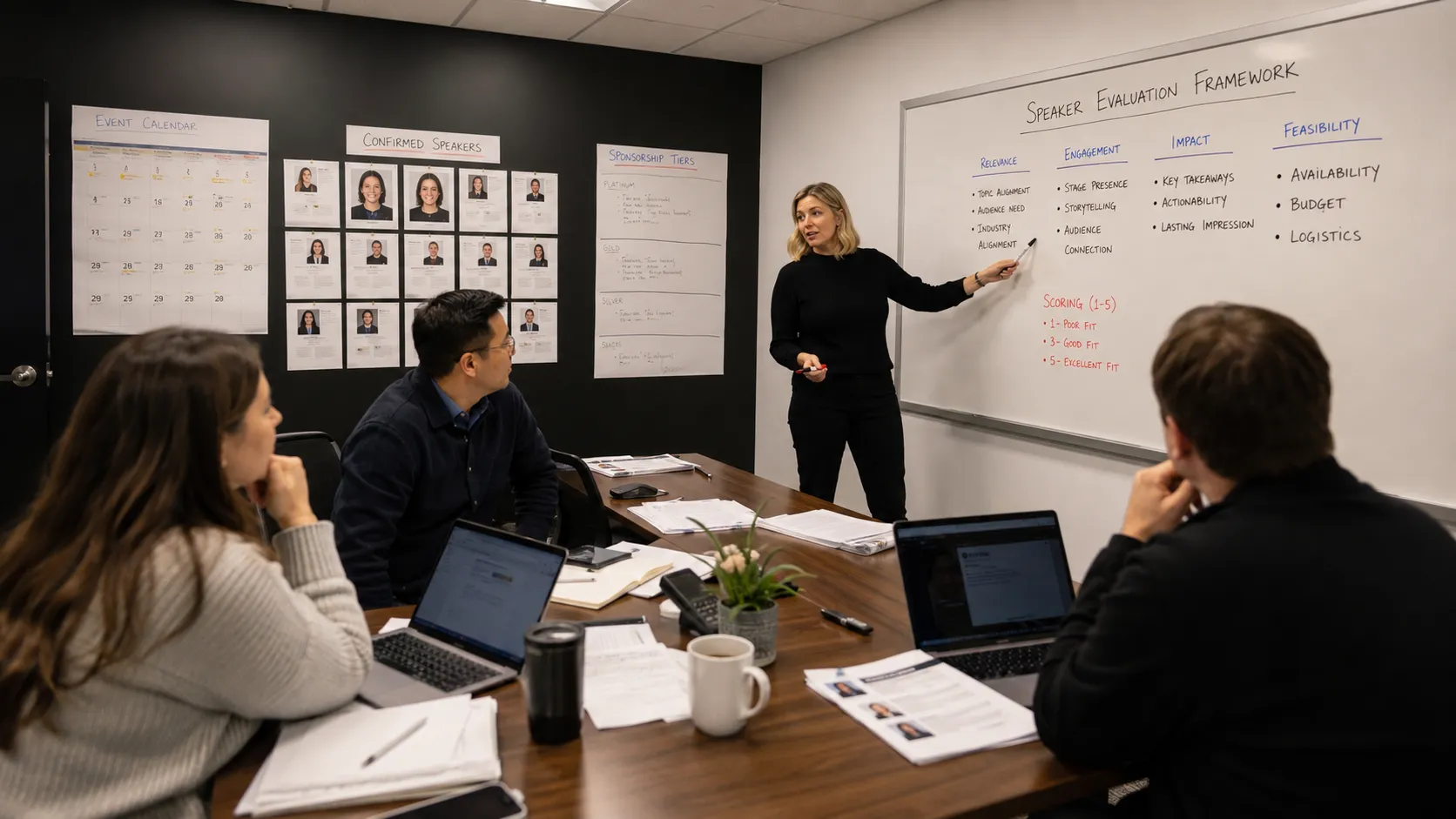
Best Practices for Conference Keynote Selection: A Planner's Guide
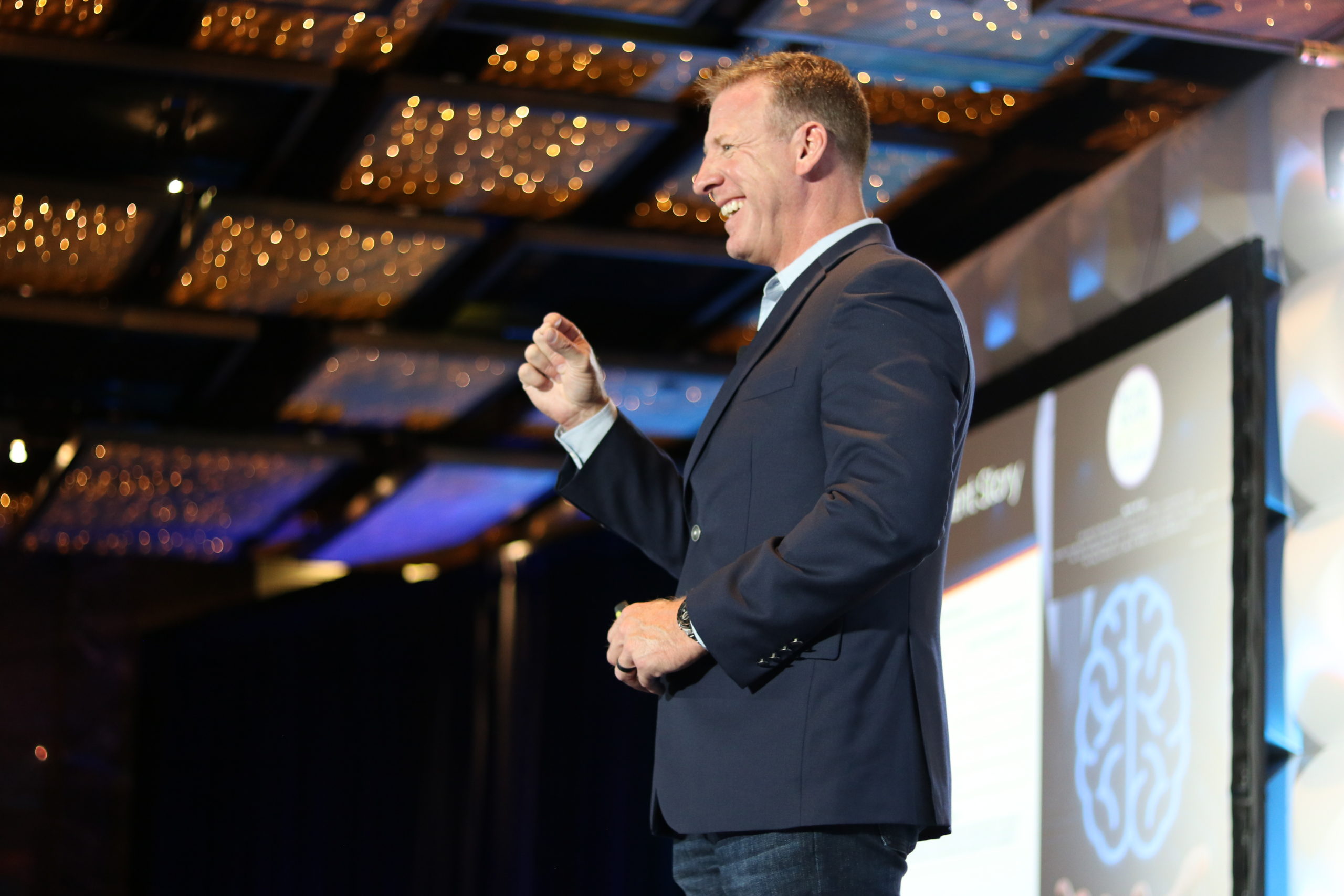
About
Jeff Bloomfield is a keynote speaker, Wall Street Journal bestselling author, and the founder of Braintrust. He has spent over 20 years helping Fortune 500 organizations apply the neuroscience of trust to how they communicate, lead, and sell.
Experience Highlights
- 500+ keynotes across five speaking verticals
- Former biotech executive, WSJ bestselling author
- Clients include J&J, Salesforce, Deloitte, UnitedHealthcare
Areas of Expertise
Conference keynote selection is often treated as a procurement exercise: find a speaker, check their credentials, negotiate the fee, confirm the booking. But the organizations that consistently get exceptional keynote results treat it as a strategic design exercise where the speaker is selected after the outcomes are defined, not before.
These best practices separate conference keynote selection that produces impact from selection that produces an impressive program and a forgettable experience.
1. Define the Behavioral Outcome Before Searching for Speakers
Write a one-sentence behavioral outcome statement before you look at a single speaker's website. "What will every attendee do differently as a result of this keynote?" is the question. Answering it makes the selection process dramatically more focused and eliminates the 90% of speakers who would be good but wrong for your specific goal.
2. Align the Keynote with the Event's Strategic Priority
The keynote should amplify the event's most important strategic message, not stand alongside it. The best conference designs brief the speaker on the event's strategic context and specifically ask how the keynote will reinforce the organizational narrative the event is built around. A keynote that accidentally contradicts the event's theme creates confusion. One that deliberately reinforces it creates alignment.
3. Evaluate Speakers for Your Specific Audience Type
A speaker who is excellent for a general-audience innovation conference may be wrong for a specialized professional event. Evaluate speakers specifically against the sophistication level, industry context, and expectations of your audience, not against their general reputation or celebrity status.
The most reliable evidence is references from comparable events: similar audience size, similar sophistication level, similar industry. Ask for those references explicitly, not just for general client lists.
4. Invest in Pre-Event Customization
The customization conversation with a speaker is not a formality. It is one of the highest-leverage investments in the event. The more specific information a speaker has about your audience, your organizational context, and the specific challenges or opportunities your event is addressing, the more relevant and resonant the keynote will be.
Specifically share: the event's strategic theme, the audience's most significant current challenge, any organizational context that is relevant to the speaker's content (major change initiatives, competitive dynamics, culture issues), and what "success" looks like the morning after the keynote.
5. Design Post-Event Reinforcement Before the Event Happens
The ROI of a great keynote is not contained in the 60-minute window of delivery. It compounds when the framework is reinforced in manager conversations, in follow-up communications, and in the shared language the team develops around it. Design the reinforcement loop before you sign the speaker contract. Know what materials you will provide, how managers will be equipped to use the framework, and what the 30-day measurement plan looks like.
6. Book Early Enough for Genuine Customization
The minimum viable booking lead time for genuine keynote customization is three months. Six months is better. Twelve months gives you first-choice access to the speaker's best dates and the full benefit of an extended discovery process. Booking 30 days out limits both access and customization depth.
Why Jeff Bloomfield Consistently Scores Highest
Jeff's selection of conference keynotes follows all six of these best practices. Every engagement begins with a genuine discovery process. The content is neuroscience-grounded and behavior-change focused. The framework is designed to be recalled, referenced, and applied 30 days later. Post-event reinforcement materials are standard.
As Brad Larsen, Director North America at Mitsubishi Electric, described it: "Jeff is absolutely the highest rated speaker we've ever had at our conference. Unique, motivational, and a home run across the board."
Frequently Asked Questions
What is the most important best practice for conference keynote selection?
Define the behavioral outcome before searching for speakers. The specific human outcome statement, what attendees will do differently as a result of this keynote, filters the entire speaker landscape and makes the selection decision dramatically clearer.
How much customization should a top conference keynote speaker provide?
A genuine pre-event discovery process that includes a substantive conversation about the event's strategic context, the audience's specific challenges, and the behavioral outcomes the event is designed to produce. The speaker should be able to tell you specifically how they will adapt their content for your audience and your event's goals.
How far in advance should you book a conference keynote speaker?
Six months minimum for genuine customization. Twelve months for best-date access and a thorough discovery process. Booking within 60 days limits both options significantly.
If you are planning a 2026 conference and want to explore what Jeff brings to your keynote slot, start the conversation at jeffbloomfield.com/contact-jeff-bloomfield.
Keynote Speaker
Jeff delivers keynotes at sales kickoffs, leadership summits, and corporate conferences, combining neuroscience, storytelling, and real-world experience into sessions that move people and stick long after the event ends.
