
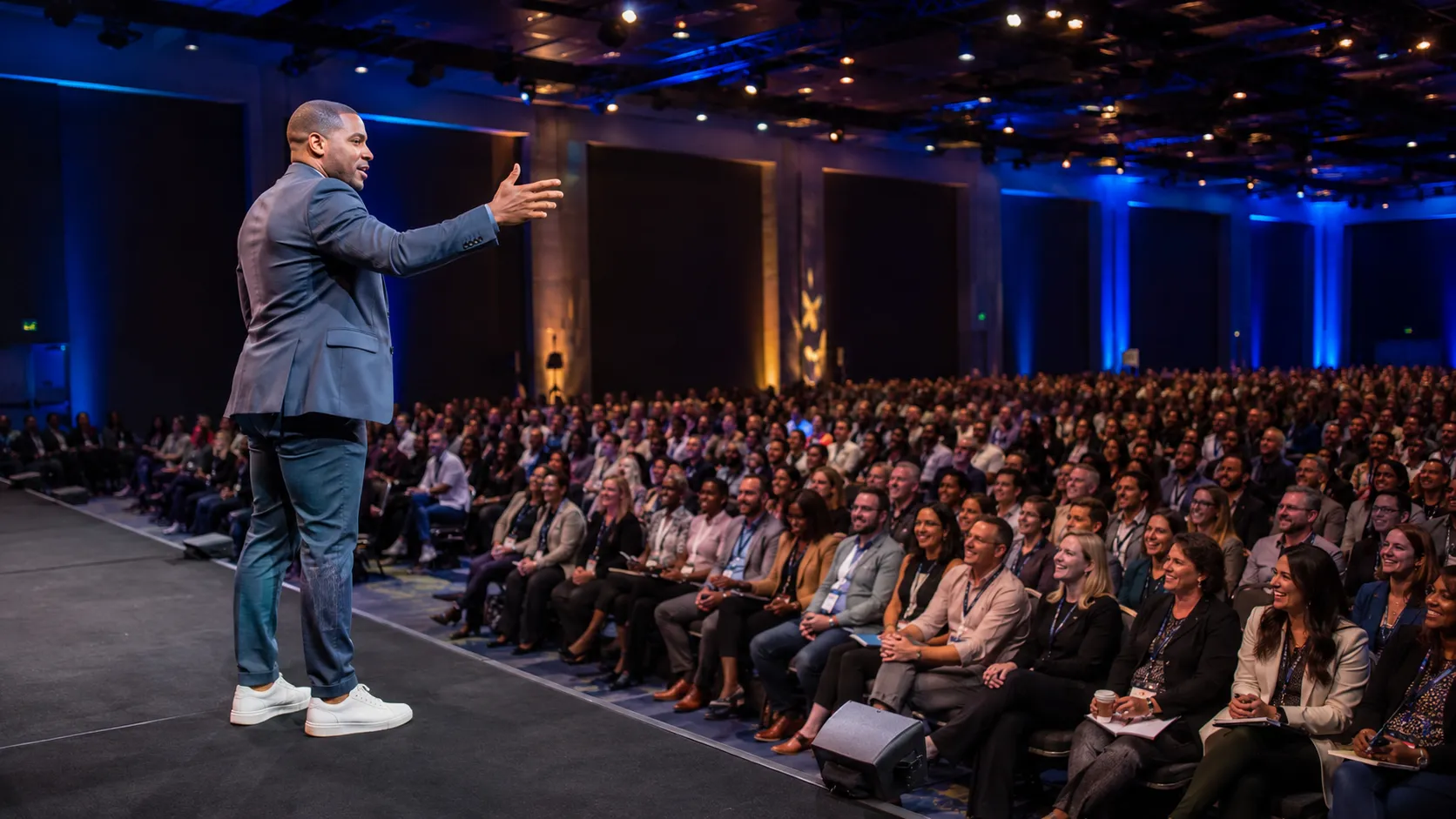
Best Practices for Sales Kickoff Keynotes That Drive Revenue
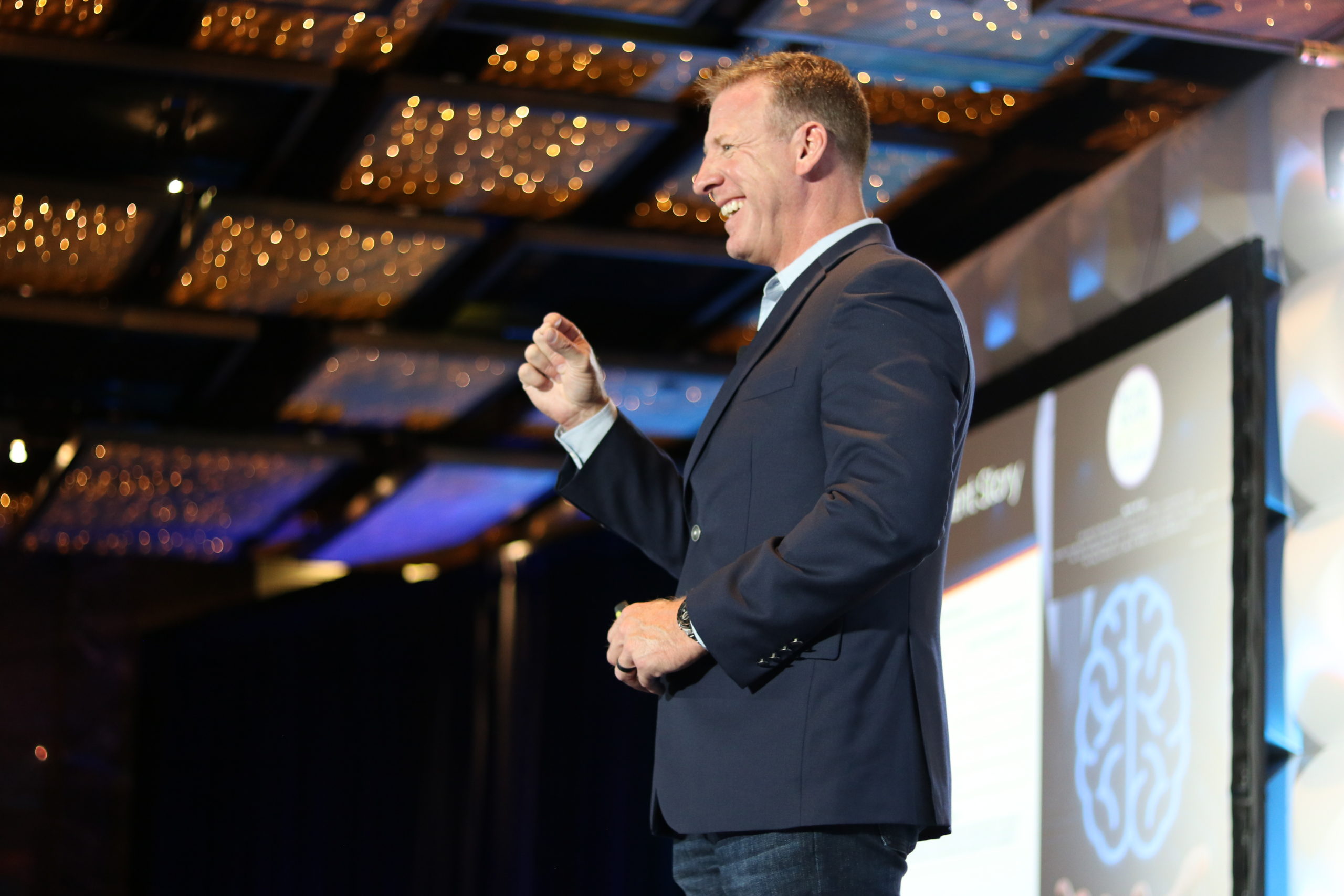
About
Jeff Bloomfield is a keynote speaker, Wall Street Journal bestselling author, and the founder of Braintrust. He has spent over 20 years helping Fortune 500 organizations apply the neuroscience of trust to how they communicate, lead, and sell.
Experience Highlights
- 500+ keynotes delivered across five speaking verticals
- Former biotech executive, WSJ bestselling author of NeuroSelling
- Clients include Johnson & Johnson, Salesforce, Deloitte, UnitedHealthcare
Areas of Expertise
A sales kickoff is one of the highest-leverage investment moments in the sales year. Done right, it sets the direction, sharpens the mindset, and aligns the team on exactly what needs to change about how they sell. Done wrong, it consumes budget, creates temporary enthusiasm, and has no measurable effect on the pipeline.
The keynote is the single most visible element of the event. It sets the intellectual and emotional tone for everything that follows. These best practices are what separate SKO keynotes that actually move revenue from ones that move the room and nothing else.
1. Define the Behavioral Outcome Before Selecting the Speaker
The most common SKO planning mistake is selecting a speaker by reputation before defining what behavioral change the event is supposed to drive. Before you evaluate any speaker, write a one-sentence behavioral outcome statement: what will reps do differently in their next sales call as a direct result of this keynote?
That statement filters your speaker search immediately. A speaker whose framework addresses your specific outcome is a fundamentally better investment than a more famous speaker whose content does not connect to it.
2. Match the Keynote Framework to the Team's Biggest Revenue Leak
Every sales team has a specific point in the sales process where deals are most likely to stall, go dark, or be lost. Identifying that point before the event allows you to select or brief a speaker who addresses it specifically. The most powerful SKO keynotes feel personally relevant to every rep in the room, because they address the exact problem reps encounter in their hardest deals.
Common revenue leaks and the keynote framework that addresses them:
| Revenue Leak | Keynote Framework Needed |
|---|---|
| High "no decision" rate | Loss aversion and buyer risk psychology |
| Deals going dark after promising meetings | Trust-building and buyer threat response |
| Discounting under pressure | Value anchoring and brain science of price perception |
| Losing to competitors on relationship | The neuroscience of trust and connection in sales |
| Struggling to access executive buyers | Executive communication and authority dynamics |
3. Invest in Pre-Event Customization
The difference between a keynote that feels tailored and one that feels generic is almost entirely determined by how much time the speaker invested in understanding the specific team, company, market, and challenge before taking the stage. Speakers who spend meaningful time in pre-event discovery discovery, conducting interviews with sales leaders and sampling conversations with frontline reps, produce content that resonates at a completely different level.
When booking a speaker, ask specifically about their pre-event process. The quality of the answer tells you almost everything about the depth of customization you will receive.
4. Design for Post-Event Reinforcement from Day One
The ROI of a great keynote is not contained in the 60 minutes of delivery. It compounds over time when the framework gets reinforced in manager coaching conversations, in team meetings, and in the informal language that high-performing sales cultures develop around shared mental models.
Design the reinforcement loop before the event. What materials will reps leave with? How will managers reference the framework in their first post-SKO one-on-ones? What is the 30-day follow-up plan? These decisions should be made when booking the speaker, not after the event ends.
5. Measure Behavioral Change, Not Applause
The most reliable post-SKO measurement is not attendee satisfaction scores. It is behavioral evidence: can reps describe the keynote framework in one sentence 30 days later? Are managers referencing it in coaching conversations? Are specific behaviors that the keynote addressed showing up differently in call reviews?
If the answer to those questions is yes, the keynote delivered real value. If not, the event was well-received but not impactful.
What Jeff Bloomfield's SKO Keynotes Deliver
Jeff's sales keynotes are built on all five of these best practices. Every engagement begins with a genuine discovery process. The framework is neuroscience-grounded and immediately applicable. The content is customized to the specific team's revenue leaks and customer environment. And post-event reinforcement materials are available as standard.
As Mark Schroeder, President of Omnicare, put it: "We had Jeff as our keynote speaker at our annual sales summit. His knowledge, stage presence and ability to connect with our team made an instant impact."
Frequently Asked Questions
What makes a sales kickoff keynote actually drive revenue?
A revenue-driving SKO keynote gives reps a specific, behavioral change they can apply in their next customer conversation, not just motivation or inspiration. It connects directly to the team's most significant revenue leak, delivers a framework that managers can reinforce in coaching conversations, and is built on genuine pre-event customization rather than a generic presentation.
How do you measure whether an SKO keynote drove revenue impact?
Measure behavioral change, not satisfaction scores. Can reps describe the keynote framework in one sentence 30 days after the event? Are managers referencing the framework in their coaching conversations? Are specific behaviors addressed in the keynote showing up differently in call reviews? Those are the metrics that correlate with revenue impact.
How important is pre-event customization for an SKO keynote?
Extremely important. The difference between a keynote that feels generic and one that feels like it was built specifically for your team is determined almost entirely by how deeply the speaker invested in understanding your business, your buyers, your team, and your specific challenges before taking the stage.
How do you extend the impact of an SKO keynote beyond the event day?
Design the reinforcement loop before the event: one-page framework summaries for managers to use in coaching conversations, a 30-day follow-up plan that keeps the framework visible, and explicit encouragement for managers to reference keynote language in post-event one-on-ones. The compound ROI of a great keynote comes from these reinforcement layers, not from the 60-minute presentation itself.
If your next sales kickoff deserves a keynote designed around all five of these best practices, explore what Jeff brings to that room at jeffbloomfield.com/contact-jeff-bloomfield.
Keynote Speaker
Jeff delivers keynotes at sales kickoffs, leadership summits, and corporate conferences, combining neuroscience, storytelling, and real-world selling experience into sessions that move people and stick long after the event ends.
