
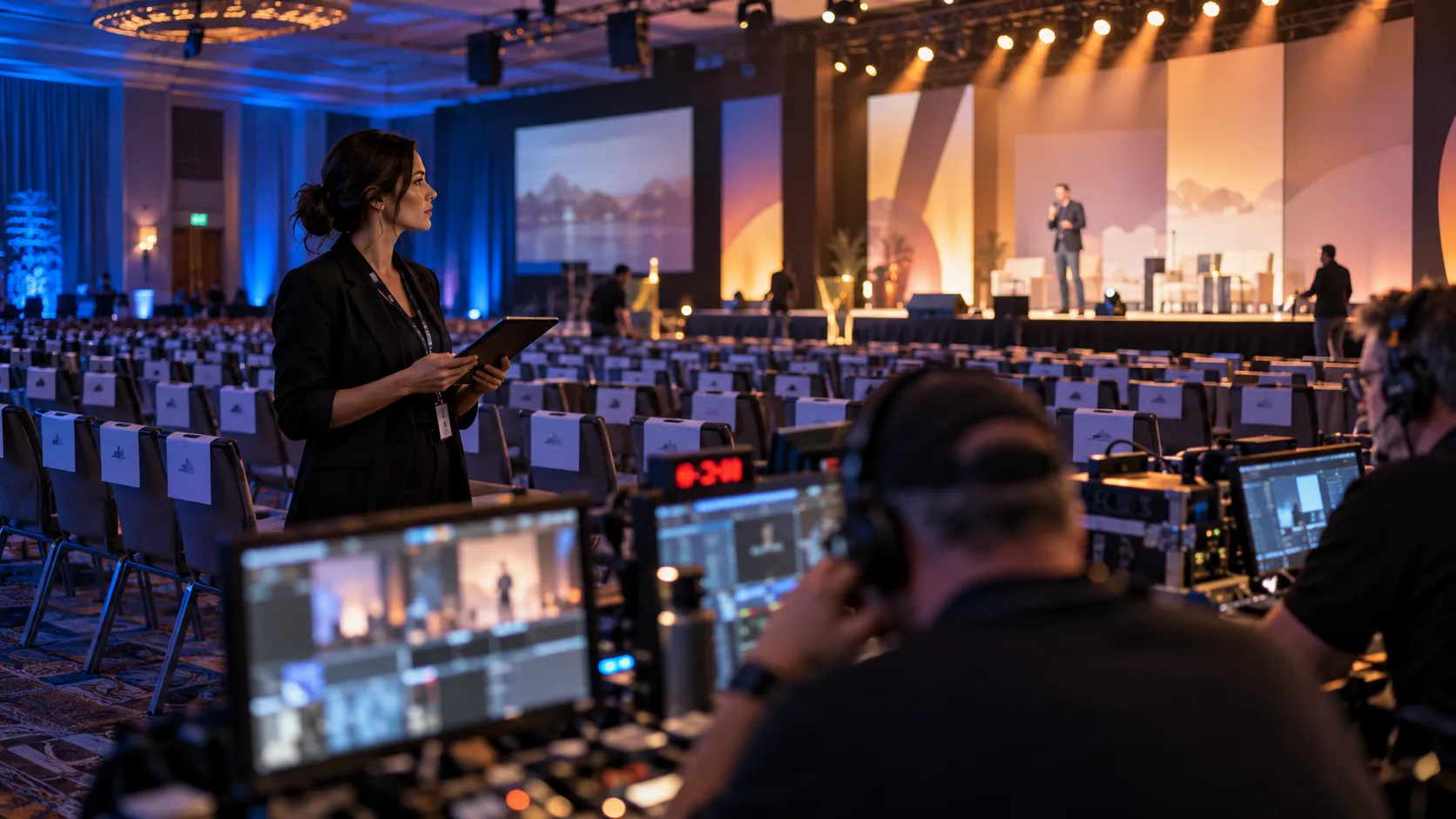
How Long Should a Keynote Be? A Planner's Guide to Keynote Length
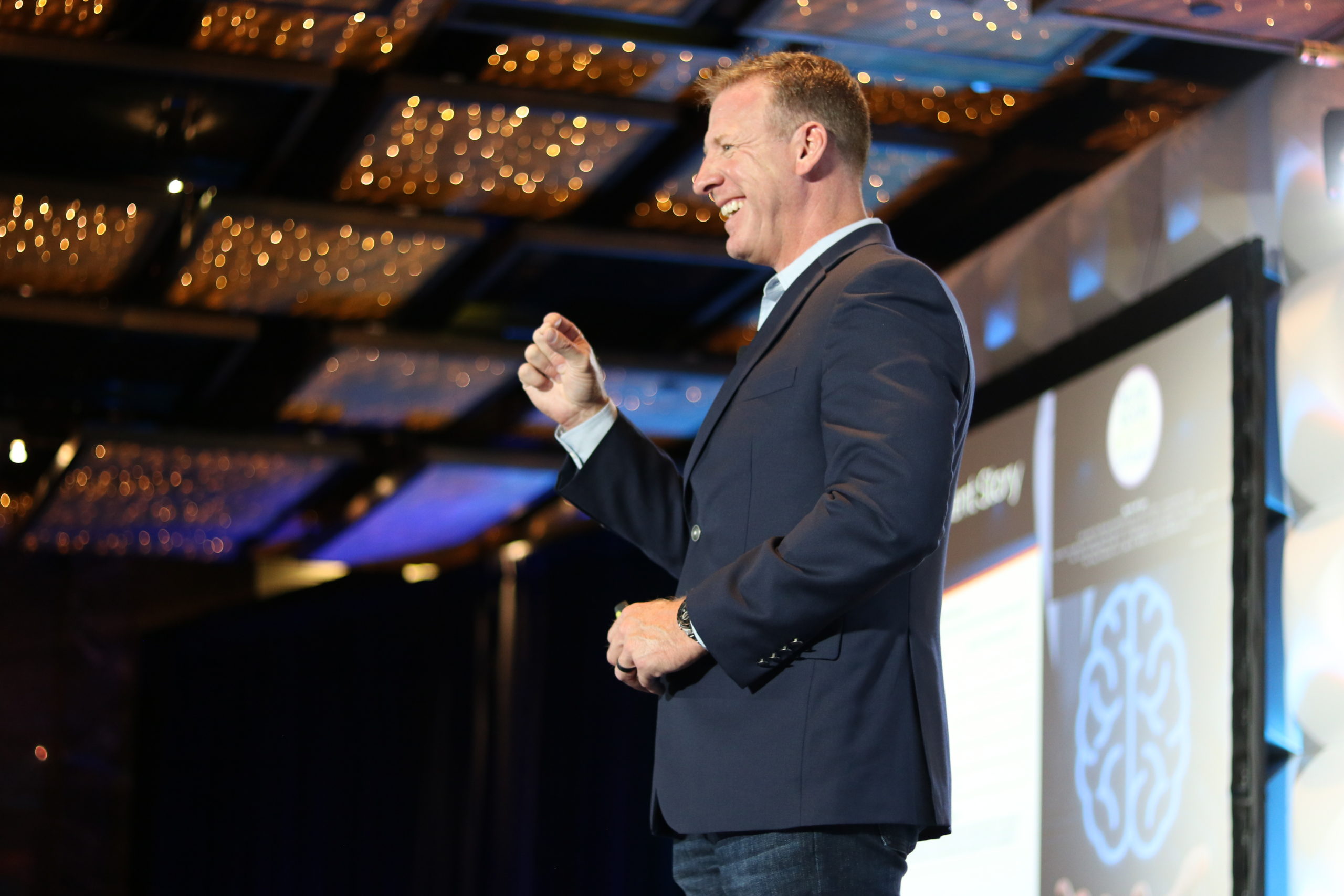
About
Jeff Bloomfield is a keynote speaker, Wall Street Journal bestselling author, and the founder of Braintrust. He has spent over 20 years helping Fortune 500 sales teams rewire how they communicate, using the neuroscience of trust, decision-making, and buyer behavior to drive results that training alone rarely produces. He speaks at corporate events, executive summits, and sales kickoffs across life sciences, financial services, software, and technology.
Experience Highlights
- NeuroSelling methodology and enterprise adoption
- Trust-based selling at the executive level
- Sales transformation in complex, long-cycle industries
- Keynote speaking and executive coaching
Areas of Expertise
Most keynotes run between 30 and 60 minutes, with 45 minutes the most common slot for corporate events and sales kickoffs. But the right length for your event depends on what the keynote has to accomplish, where it sits in the agenda, and how much energy your audience will have when the speaker walks on. This guide answers the length questions planners ask most, by event type and format.
What Is the Standard Length for a Keynote?
Planners and speaker bureaus most often cite a range of 30 to 60 minutes. Inside that range, 45 minutes is the default for many corporate events because it leaves enough time to build a real argument without testing the room's attention.
Here's how the common slot lengths tend to work:
- 20 to 30 minutes: One idea, tightly delivered. Works for packed agendas, after-dinner slots, and virtual events.
- 45 minutes: The most common keynote slot. Room for a core idea, supporting stories, and a clear call to action.
- 60 minutes: Common for opening keynotes at sales kickoffs and annual conferences, especially when the keynote sets the theme for the whole event.
- 75 to 90 minutes: Usually a keynote plus extended interaction, or a keynote that flows into a working session.
Typical Keynote Length by Event Type
Different events ask different things of the keynote. Use this as a starting point when you build your agenda.
| Event Type | Typical Keynote Slot | Q&A or Interaction | What the Keynote Has to Do |
|---|---|---|---|
| Sales kickoff (opening) | 45 to 60 minutes | Often 10 to 15 minutes | Set the year's theme and shared language for the whole team |
| Annual conference (opening) | 45 to 60 minutes | Optional | Energize the room and frame the event's big idea |
| Closing keynote | 30 to 45 minutes | Rarely | Send people home with one thing to act on |
| Leadership offsite or executive summit | 45 to 60 minutes | Often extended | Spark discussion the group carries into working sessions |
| Association meeting | 45 to 60 minutes | Often 10 to 15 minutes | Deliver value broad enough for a mixed audience |
| Virtual event | 20 to 40 minutes | Built in via chat or live Q&A | Hold attention without the energy of a shared room |
| After-dinner or awards event | 20 to 30 minutes | No | Entertain and reinforce, without overstaying |
How Long Should a Sales Kickoff Keynote Be?
For an opening SKO keynote, 45 to 60 minutes usually works best. The opening keynote at a kickoff carries more weight than at most events: it has to set the year's theme, create belief in the plan, and give the team language that managers will use for months.
A slot shorter than 45 minutes can work if the keynote is built around one clear behavior change. But if you're launching a new methodology or addressing a missed year, give the speaker enough runway. For help with the rest of the day, see how to build a sales kickoff agenda around your keynote.
How Long Should an Opening Keynote Be Compared With a Closing Keynote?
Opening keynotes typically run longer, often 45 to 60 minutes, because they frame everything that follows. Closing keynotes usually run 30 to 45 minutes, because the audience is tired and the goal is a clean send-off rather than a new framework.
Energy matters more than minutes at the end of an event. A tight 35-minute closer will beat a 60-minute one that runs into travel time. For more on the trade-offs, see opening keynote vs. closing keynote.
Is a 20-Minute Keynote Worth Booking?
Yes, if it's designed for 20 minutes rather than cut down from 60. A strong 20-minute keynote focuses on one idea, opens with stakes, and ends with one action. What doesn't work is asking a speaker to compress a full keynote into a third of the time.
If you only have 20 minutes, tell the speaker during the first conversation, not the week before. The best speakers build for the slot, not around it.
How Long Should a Virtual Keynote Be?
Shorter than in person, in most cases. Virtual audiences are one tab away from their inbox, and average human attention span is now about 8 seconds, down from 12 seconds before smartphones. Many planners set virtual keynotes at 20 to 40 minutes, with interaction built in rather than saved for the end.
The keynote doesn't have to be thinner online. It has to be paced differently, with more frequent shifts, shorter stories, and live check-ins with the audience. For format trade-offs, see virtual vs. in-person keynote speakers.
Should Q&A Count Toward the Keynote's Length?
Decide this up front and put it in the agreement. Many planners book a 60-minute slot as 45 minutes of keynote plus 15 minutes of Q&A. Others book 60 minutes of content and skip Q&A entirely.
A few guidelines:
- Include Q&A when the audience is senior, the topic is new, or you want the keynote to spill into working sessions.
- Skip Q&A for very large audiences, closing slots, or tight agendas where it tends to run long.
- Seed the first question with a moderator so Q&A doesn't open with silence.
Does a Longer Keynote Cost More?
Usually not by the minute. Most keynote speakers quote a fee per engagement rather than per minute, so a 30-minute and a 60-minute keynote often cost the same. Fees tend to change more with additional sessions, workshops or breakouts added to the day, travel, and recording rights. For a full breakdown, see conference keynote speaker fees and how to budget.
That's one more reason to give your keynote the time it needs. Cutting the slot rarely saves money. It just reduces what the speaker can deliver.
What Matters More Than Length?
Length is easy to plan. What happens in the first minutes is harder, and it matters more.
People form a general first impression in about 0.07 seconds, and you have about 5 seconds to capture or lose an audience's attention. By the time a keynote reaches its tenth minute, the room has already decided whether to lean in. And the keynote is the #1 factor in conference satisfaction, so those first minutes shape how attendees judge the whole event.
So when you evaluate speakers, ask about the opening as much as the running time. A speaker who can earn the room in the first three minutes will make any slot length feel right.
How I Build a Keynote Around Your Time Slot
On every pre-event customization call, one of my first questions is how long the slot really is, including whatever happens before I walk on. If the session before me runs over, I'd rather know now and build a version that still lands at 40 minutes.
Every talk I give is custom-built, so the structure flexes to your slot instead of the other way around. Whether it's a 60-minute SKO opener or a 25-minute virtual session, the content still follows the same three movements: illuminate what's happening in the brain, elevate it into shared language, and activate it into something your audience uses the next day. I deliver both in-person and virtual formats, and I pace each one differently.
"Jeff's keynote captivated the audience within the first three minutes! Post-conference feedback was incredible. 100% success!"
Kate Genovese, SVP, Risk Strategies
Frequently Asked Questions
How long should a keynote speech be?
Most keynotes run 30 to 60 minutes, and 45 minutes is the most common slot for corporate events. Opening keynotes at sales kickoffs and annual conferences often run 45 to 60 minutes, while closing and virtual keynotes tend to run 20 to 45 minutes.
What is the ideal length for a keynote at a corporate event?
Around 45 minutes works for most corporate events. It's long enough for a clear idea, supporting stories, and a call to action, and short enough to hold attention. Add 10 to 15 minutes if you want Q&A.
Can a keynote be too long?
Yes. Past 60 minutes, attention drops unless the session is built with interaction or a shift in format. If you need more than an hour, consider a keynote followed by a separate working session rather than one extended talk.
How long should a keynote be for a virtual event?
Many planners set virtual keynotes at 20 to 40 minutes, with interaction built in. Virtual audiences face more distraction, so pacing matters more than total length. Jeff delivers both virtual and in-person keynotes and paces each format differently.
Does a 60-minute keynote include Q&A?
It depends on your agreement. Many 60-minute slots are booked as 45 minutes of keynote plus 15 minutes of Q&A. Confirm this with your speaker during the first conversation so the talk is built for the right length.
How long is a typical sales kickoff keynote?
An opening SKO keynote usually runs 45 to 60 minutes, because it sets the theme and shared language for the whole year. Jeff confirms the exact slot on the pre-event customization call included with every booking and builds the keynote to fit it.
Should I pay less for a shorter keynote?
Usually not. Most speakers quote per engagement, not per minute, so a shorter slot rarely lowers the fee. It's often better to give the keynote the full time it needs to deliver results.
If you're planning your agenda and deciding how much time to give the keynote, it's worth a conversation about what your slot needs to accomplish. See how Jeff builds every conference keynote around your event, your audience, and your time slot.
Keynote Speaker
Jeff delivers keynotes at sales kickoffs, leadership summits, and corporate conferences, combining neuroscience, storytelling, and real-world selling experience into sessions that move people and stick long after the event ends.
