
Why Most Sales Kickoff Keynotes Don't Change Sales Behavior

About
Jeff Bloomfield is a keynote speaker, Wall Street Journal bestselling author, and the founder of Braintrust. He has spent over 20 years helping Fortune 500 organizations apply the neuroscience of trust to how they communicate, lead, and sell.
Experience Highlights
- 500+ keynotes delivered across five speaking verticals
- Former biotech executive, WSJ bestselling author of NeuroSelling
- Clients include Johnson & Johnson, Salesforce, Deloitte, UnitedHealthcare
Areas of Expertise
Sales kickoff season generates enormous energy. It also generates enormous waste. Organizations invest hundreds of thousands of dollars in events, speakers, venue, and production and and then watch the pipeline behave more or less exactly as it did before the event.
The problem is not the investment. It is what most SKO keynotes are actually designed to do.
The Motivation Problem
Most SKO keynotes are designed to create energy. That is a legitimate and valuable goal. A team that walks out of a kickoff fired up, believing in the product and in leadership, is more likely to prospect aggressively in the first weeks of the year.
But energy fades. Without a specific, nameable behavioral change, motivation returns to baseline within days. Reps go back to doing what they have always done, because they have not been given a reason to do anything differently at the level of the buyer conversation itself.
The most common SKO keynote delivers exactly this: emotional energy without behavioral framework. And the predictable result is no measurable change in how reps sell.
The Framework Gap
A sales keynote that changes behavior does something fundamentally different from a motivational one. It gives reps a specific mental model for why they were losing the deals they were losing, and a specific, nameable behavior they can change starting with their next customer conversation.
The test: forty-eight hours after the SKO, can your rep describe, in a single sentence, what they are going to do differently in their next sales call? If the answer is no, the keynote was experienced, not applied.
What a behavior-changing sales keynote provides:
- A causal explanation for why deals stall that connects to the buyer's brain rather than the rep's technique
- A specific, memorable framework the rep can recall in the moment of a live customer conversation
- A language shared across the sales team that managers can use in coaching conversations for months after the event
What the Best SKO Keynotes Do Differently
| Most SKO Keynotes | Behavior-Changing SKO Keynotes |
|---|---|
| Create energy and enthusiasm | Create a specific mental model and behavioral framework |
| Tell inspiring stories about sales success | Explain why buyers behave the way they do and what to do about it |
| Motivate reps to sell harder | Give reps tools to sell differently |
| Impact fades within 72 hours | Framework compounds through coaching conversations for months |
| Reps can't articulate what changed | Reps can describe one specific thing they will do differently Monday |
What This Looks Like in a Sales Kickoff Keynote
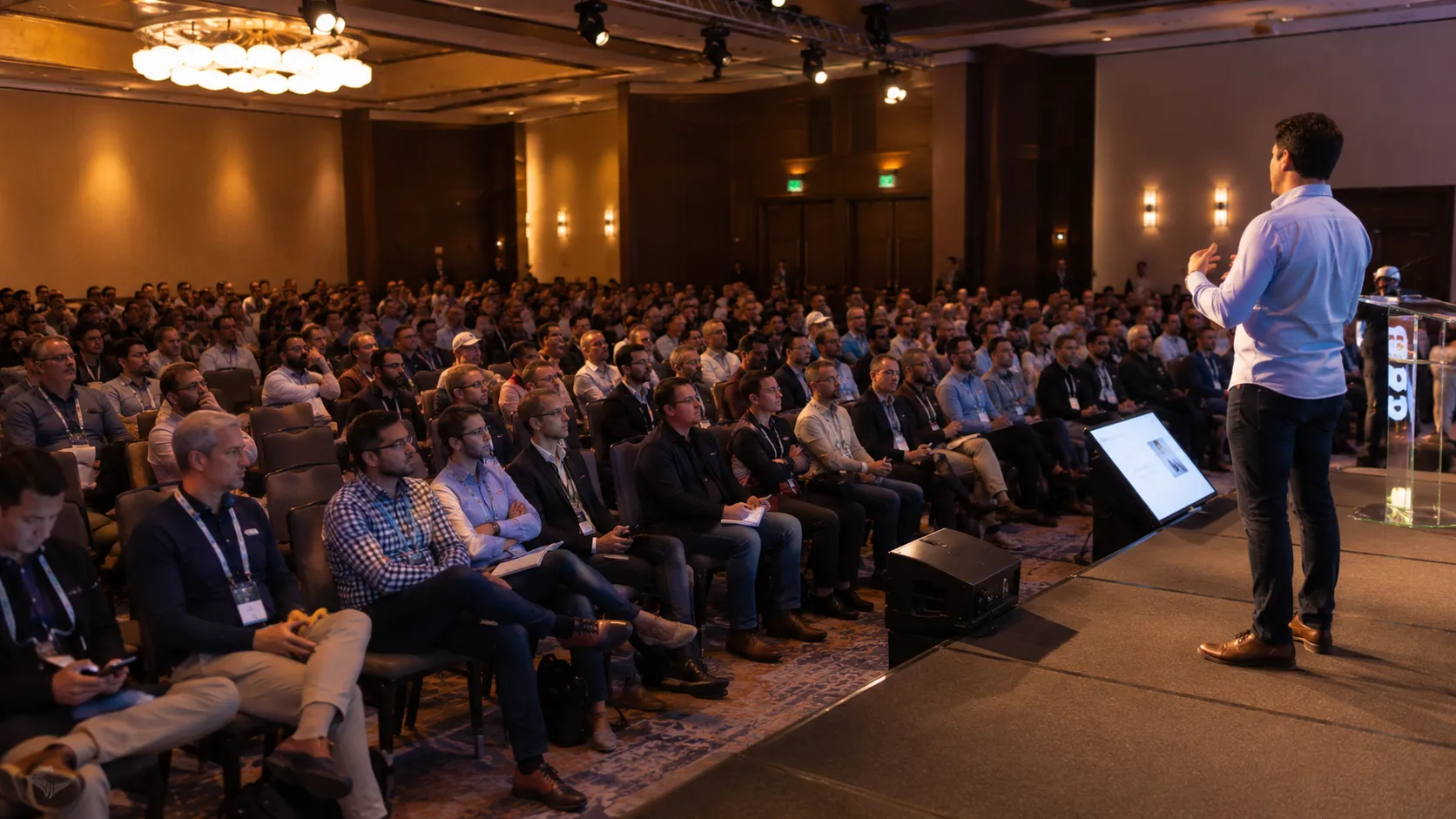
The sales keynotes Jeff Bloomfield delivers at SKOs are specifically built to close the framework gap. Drawing on the neuroscience of how buyers actually decide, Jeff gives sales teams an explanation for the deals they are losing that most training never provides, and a practical, immediately applicable framework they can use starting Monday.
As Gary Price, Global Director of Sales at CSZ, described it: "Thanks to Jeff, we now have an understanding of the science of decision making and how the human brain actually builds connection and trust. This has made a huge impact on our results."
Frequently Asked Questions
Why do most SKO keynotes fail to change sales behavior?
Most SKO keynotes are designed to create motivation rather than behavioral change. They deliver energy and inspiration without a specific, nameable framework that reps can apply in their next customer conversation. Without that framework, the energy fades and behavior returns to baseline within days.
What does a behavior-changing SKO keynote look like?
A behavior-changing SKO keynote gives reps a causal explanation for why their deals stall, a specific and memorable framework for what to do differently, and a shared language that managers can use in coaching conversations for months after the event. The test: 48 hours after the keynote, can every rep describe in one sentence what they will do differently in their next sales call?
Can a keynote be both motivating and behavior-changing?
Yes. The best SKO keynotes do both. They generate genuine energy and enthusiasm through compelling stories and delivery, while simultaneously providing the behavioral framework that gives that energy a specific direction. Jeff Bloomfield's keynotes are specifically designed to deliver both outcomes simultaneously.
How do you measure whether an SKO keynote changed behavior?
Ask two questions 30 days after the event. First: can your reps describe the keynote's core framework in a single sentence? Second: can your managers describe at least one specific coaching conversation they had with a rep that referenced the keynote framework? If the answer to both is yes, the keynote delivered behavioral impact. If no, it delivered an experience.
If your next SKO needs a keynote that gives your team a durable behavioral framework, not just a motivating experience, explore what Jeff brings to that conversation at jeffbloomfield.com/contact-jeff-bloomfield.
Keynote Speaker
Jeff delivers keynotes at sales kickoffs, leadership summits, and corporate conferences, combining neuroscience, storytelling, and real-world selling experience into sessions that move people and stick long after the event ends.
