
Outside Keynote Speaker vs. Your CEO: Who Should Keynote Your Sales Kickoff?
About
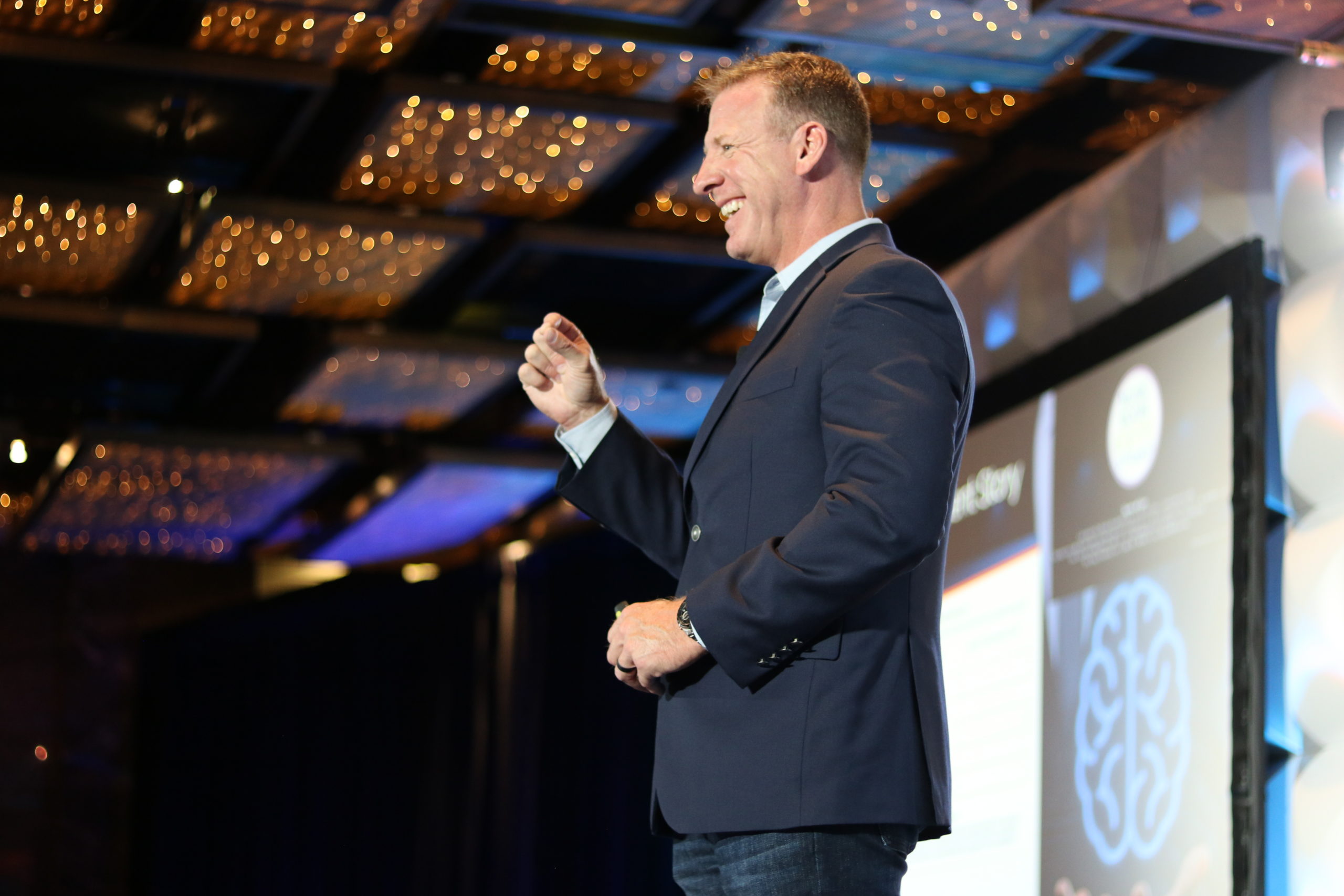
Jeff Bloomfield is a keynote speaker, Wall Street Journal bestselling author, and the founder of Braintrust. He has spent over 20 years helping Fortune 500 sales teams rewire how they communicate, using the neuroscience of trust, decision-making, and buyer behavior to drive results that training alone rarely produces. He speaks at corporate events, executive summits, and sales kickoffs across life sciences, financial services, software, and technology.
Experience Highlights
- NeuroSelling methodology and enterprise adoption
- Trust-based selling at the executive level
- Sales transformation in complex, long-cycle industries
- Keynote speaking and executive coaching
Areas of Expertise
Every sales kickoff planning committee hits the same fork in the road: does the CEO or CRO carry the main stage, or do you book an outside keynote speaker? It looks like a budget question. It's really a question about what the room needs to hear, and who the room will actually believe when they hear it. Get the answer right and the two keynotes reinforce each other. Get it wrong and your sellers hear the same message twice, from two people, and act on neither.
The Short Answer: Most SKOs Need Both, in Different Jobs
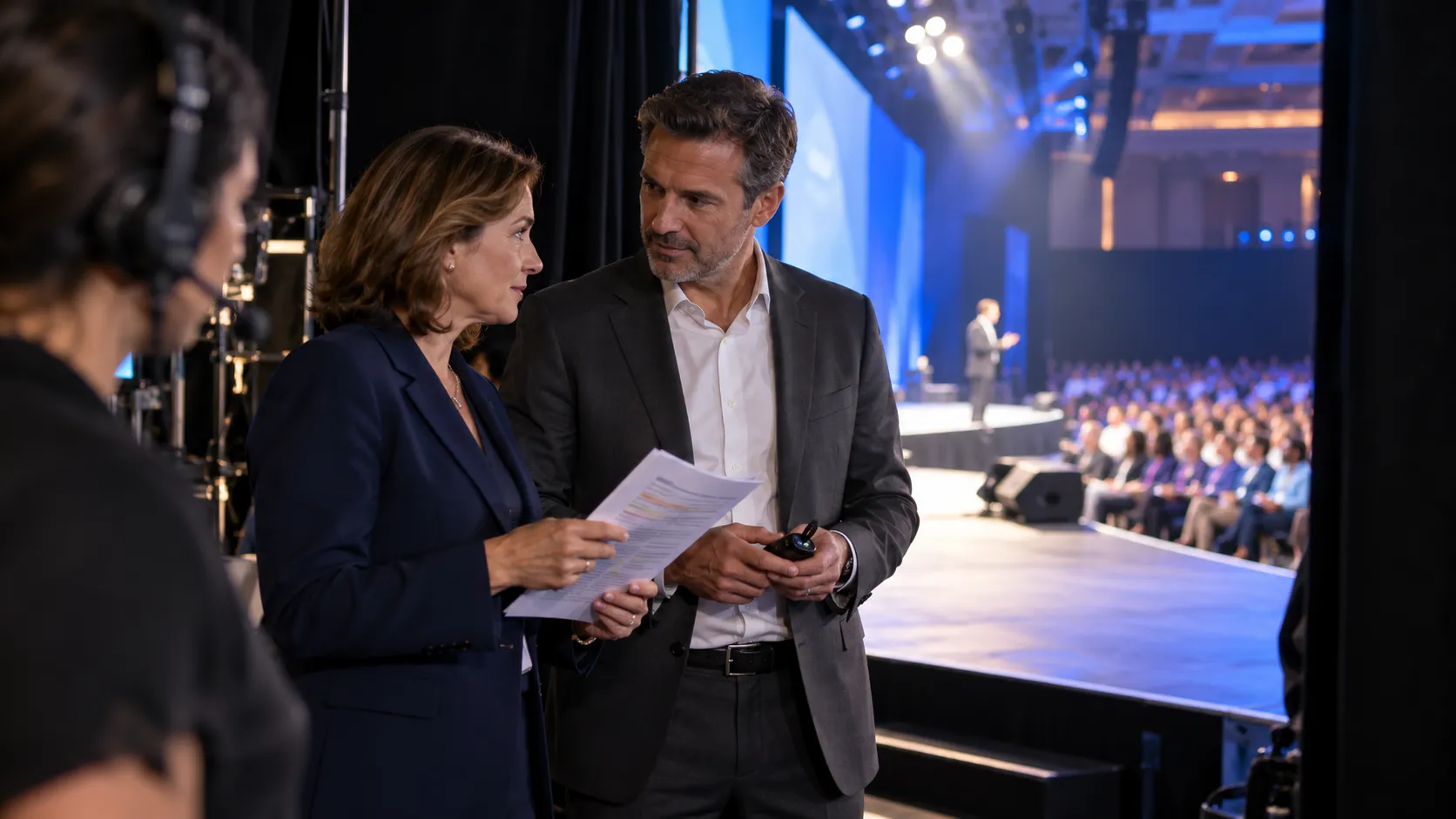
For most mid-size and large sales kickoffs, the strongest agenda uses both. Your CEO or CRO owns the strategy keynote. An outside speaker owns the behavior keynote. They aren't competing for the same slot, because they aren't doing the same job.
- The internal keynote answers "where are we going?" Strategy, targets, market bets, product direction, and what leadership is asking of the field this year.
- The outside keynote answers "why will this year be different for me?" How buyers decide, why sellers revert under pressure, and what has to change in the conversation for the strategy to land.
When planners treat these as interchangeable, they usually end up asking one person to do both jobs. That's where SKOs lose the room.
What Only Your CEO or CRO Can Deliver
No outside speaker can replace your executive keynote, and a good one won't try. Your leaders own things only they can credibly say:
- The strategy itself. Market priorities, territory changes, product bets, and the number.
- Commitment. What leadership will do differently this year to support the field.
- Recognition. Naming the people and wins that defined last year.
- Accountability. What success looks like, and how it will be measured.
Sellers need to hear these from the people who will hold them to it. That's what makes the executive keynote irreplaceable. It carries authority no one else in the building has.
What an Outside Keynote Speaker Brings to the Room
An outside speaker isn't more credible than your CEO. They're credible in a different way. They have no stake in the comp plan, the territory map, or last year's forecast. That changes how the room processes what they hear.
Here's the mechanism. The brain runs a fast safety check on every message before it reasons about it. When a seller hears a message from the person who sets their quota, part of that check is "what does this mean for me?" That's healthy, and it's exactly why the strategy keynote matters. But it also means behavior-change messages from leadership can get filed as "leadership has to say that."
An outside expert with real research and real field experience skips part of that filter. The room evaluates the idea on its merits. That's why the behavior keynote usually lands harder from outside the org chart, and why your executive's strategy keynote lands harder from inside it.
Side-by-Side: Internal Executive Keynote vs. Outside Keynote Speaker
| Factor | CEO or CRO Keynote | Outside Keynote Speaker |
|---|---|---|
| Core job | Set direction and the number | Change how sellers think and act in front of buyers |
| Authority comes from | Role, accountability, and track record inside the company | Research, outside perspective, and experience across many sales orgs |
| What the room listens for | "What does this mean for my territory and my plan?" | "Is this true, and does it apply to me?" |
| Strongest on | Strategy, priorities, recognition, commitment | Buyer psychology, behavior under pressure, shared language |
| Typical risk | Becomes a slide review of the plan | Becomes a generic talk disconnected from your strategy |
| How to reduce the risk | Keep it to the few priorities that matter most | Require a pre-event customization call tied to your strategy |
When Your CEO Should Carry the Main Stage Alone
An outside speaker isn't always the right call. Your executive keynote can stand on its own when:
- The SKO is small. With a few dozen sellers in one room, a tight internal program can carry the event.
- The year's change is purely strategic. A new segment, a new product line, or a pricing model where the work is understanding the plan, not changing sales behavior.
- You're running a short virtual kickoff. A 90-minute virtual SKO rarely has room for two keynotes.
- The executive is already the external voice. Some founders and CEOs are recognized authorities in their market and already play both roles well.
When an Outside Keynote Speaker Earns the Budget
An outside keynote is worth the investment when the gap is behavior, not information. Look for these signals:
- Sellers know the playbook but don't use it under pressure. Discovery goes shallow, urgency fades, and deals slip into discounting or no-decision.
- Deals are stalling, not lost to competitors. 60% of deals are lost to "no decision." That's a buyer-confidence problem a strategy slide can't fix.
- You're launching a new methodology or skill set. The keynote creates the belief and shared language that make the training land.
- Last year was hard. After a missed year, the room is guarded. A message about change often lands better from someone who wasn't part of last year's plan. See what kind of sales keynote a team needs after a missed year.
- You need sellers to leave with one shared language. An outside framework gives every region, team, and tenure level the same words for the same behavior.
How to Put Both Keynotes on the Same Agenda
When you book both, the order matters. Most strong SKOs follow one of two patterns.
| Slot | Who | Job | Why It Works |
|---|---|---|---|
| Day 1 opening | CEO or CRO | Strategy, the number, the "why now" | Sets direction before anything else happens |
| Day 1, right after | Outside keynote speaker | How buyers decide and what changes in the seller's conversation | Turns strategy into behavior while energy is highest |
| Day 1 afternoon or Day 2 | Enablement and training sessions | Skills practice using the keynote's shared language | Gives the keynote's ideas a place to be practiced |
| Closing | CEO, CRO, or sales leaders | Commitments and recognition | Ends on leadership accountability |
Some teams flip the first two slots and open with the outside speaker to reset the room before strategy. That works best after a hard year, when the room needs a mental reset before it can absorb a new plan. For more on slot strategy, see opening keynote vs. closing keynote, and for the full flow, how to build a sales kickoff agenda around your keynote.
What to Look for in an Outside Speaker Who Complements Your CEO
The worst outside keynote ignores the strategy your CEO just presented. The best one makes it stick. When I prepare a sales kickoff keynote, the pre-event customization call is where that happens. I want to know what the CEO and CRO will say, what the number is, and where the field struggles most. Then I build the keynote so it connects their strategy to what happens in the buyer's brain.
My keynotes follow three movements. Illuminate shows the neuroscience of buyer decisions, live. Elevate turns that science into a repeatable skill with shared language. Activate makes the impact concrete enough to use on the next call. That structure is designed to hand off cleanly to your enablement team.
When you evaluate any outside speaker for this role, ask:
- Will you build the talk around our CEO's strategy, not alongside it?
- What will our sellers do differently in front of buyers next week?
- How does your content connect to the training and enablement we already have planned?
- What happens if it doesn't land? (Jeff's performance guarantee: "if your attendees don't rate Jeff among the top speakers at your event, he'll work with you to make it right.")
"We had Jeff as our keynote speaker at our annual sales summit. His knowledge, stage presence and ability to connect with our team made an instant impact."
Mark Schroeder, President, Omnicare, Inc.
Frequently Asked Questions
Should our CEO or an outside speaker keynote the sales kickoff?
For most SKOs, both. The CEO or CRO should deliver the strategy keynote, and an outside speaker should deliver the behavior keynote. Each one carries a kind of credibility the other can't, so they work best in separate slots.
Is an outside keynote speaker worth it if our CEO is a strong speaker?
Often, yes. The question isn't speaking skill. It's role. Sellers hear the CEO through the lens of their quota and plan, which is exactly right for strategy. A behavior-change message usually lands harder from an outside expert with no stake in the plan.
When should a sales kickoff skip the outside keynote?
Skip it when the SKO is small, the year's change is purely strategic, or the event is a short virtual kickoff. In those cases, a focused executive keynote plus strong enablement sessions can carry the program.
What order should the CEO keynote and the outside keynote go in?
The most common order is CEO strategy first, then the outside keynote, so the speaker can connect the strategy to seller behavior. After a hard year, some teams open with the outside speaker to reset the room before the plan is presented.
How do I make sure an outside speaker aligns with our CEO's message?
Require a pre-event customization call and share the CEO's priorities, the number, and the field's biggest challenges. Jeff Bloomfield includes a customization call with every booking and builds every talk for the specific audience.
What should an outside sales kickoff keynote cover?
It should cover how buyers actually decide, why experienced sellers revert under pressure, and what changes in the conversation. Jeff's sales keynote is built on the Behavior-Access Problem: sellers know the playbook but can't access it under pressure.
How far in advance should we book an outside SKO keynote speaker?
Start four to six months out. January and February are peak SKO months and fill early. Jeff is now booking 2026 and 2027 events, in person and virtual.
If you're deciding how to split your main stage between your leaders and an outside voice, it's worth a conversation about what your sellers need to hear this year. See how Jeff builds every sales keynote to make your strategy stick in the field.
Keynote Speaker
Jeff delivers keynotes at sales kickoffs, leadership summits, and corporate conferences, combining neuroscience, storytelling, and real-world selling experience into sessions that move people and stick long after the event ends.
