

How to Choose a Keynote Speaker for a Channel Partner Conference
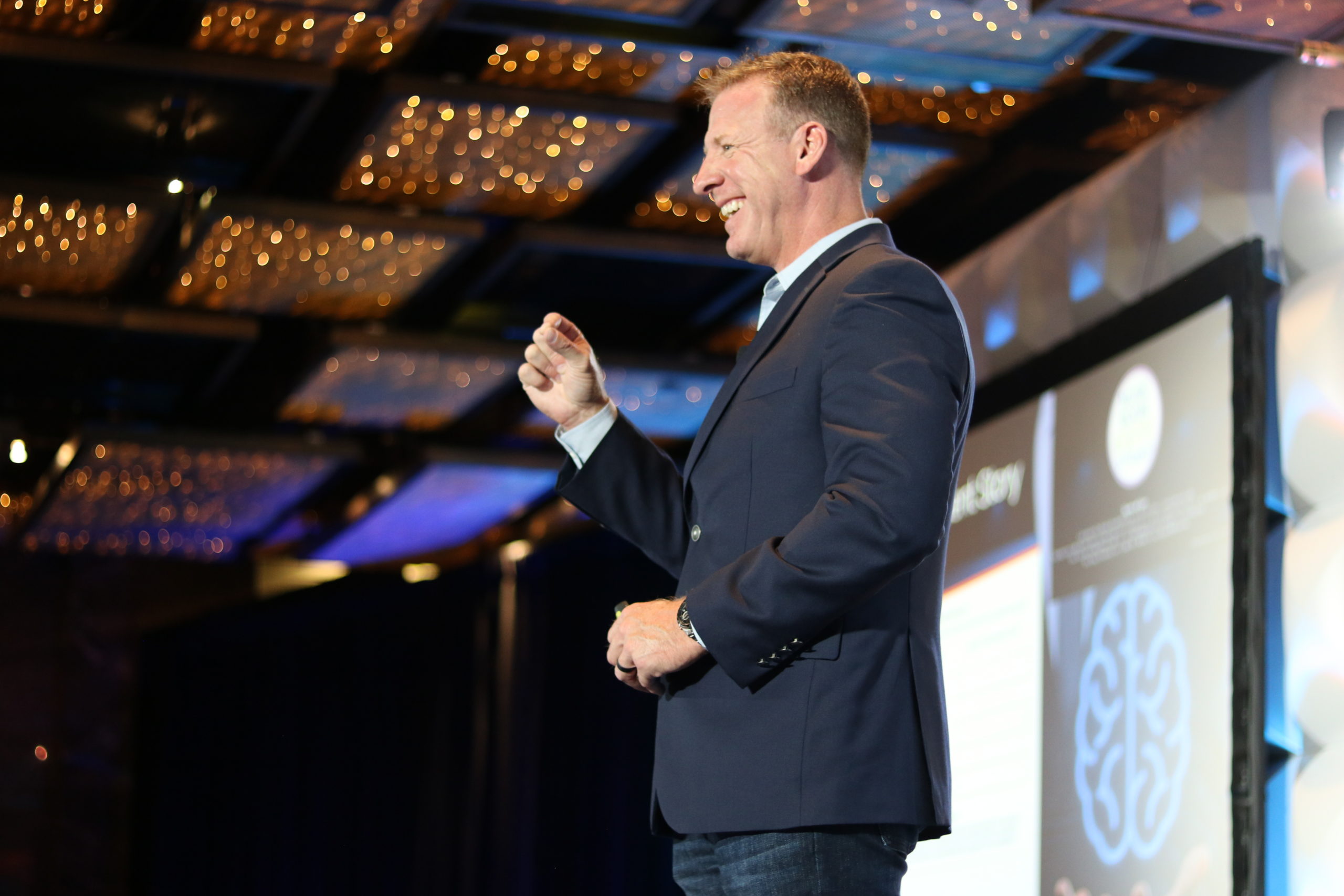
About
Jeff Bloomfield is a keynote speaker, Wall Street Journal bestselling author, and the founder of Braintrust. He has spent over 20 years helping Fortune 500 sales teams rewire how they communicate, using the neuroscience of trust, decision-making, and buyer behavior to drive results that last. He speaks at corporate events, executive summits, and sales kickoffs across life sciences, financial services, software, and technology.
Experience Highlights
- NeuroSelling methodology and enterprise adoption
- Trust-based selling at the executive level
- Sales transformation in complex, long-cycle industries
- Keynote speaking and executive coaching
Areas of Expertise
A channel partner conference is a sales event where most of the sellers in the room don't work for you. They represent your product alongside others, they choose where to spend their time, and they decide every day whether your brand is worth leading with. The keynote speaker you put in front of them has to earn that attention, not assume it.
This guide covers what makes a partner audience different, what to look for in a speaker, and how to brief them so the session moves partner behavior, not just partner sentiment.
Why a Partner Audience Is Different From Your Own Sales Team
A channel partner conference (also called a partner summit, reseller conference, or dealer meeting) brings together the resellers, distributors, agents, or referral partners who sell your product to end customers. That audience has a few traits that change the speaker brief.
| Trait of a Partner Audience | What It Means for the Keynote |
|---|---|
| They sell more than one vendor's product | The talk has to be useful to their whole business, not just your line |
| They don't report to you | You can't mandate change, so the session has to persuade |
| Mixed roles in the room | Owners, sales leaders, and frontline reps may all attend |
| Varying familiarity with your brand | Some partners are new, some have sold you for years |
| They judge you by the event itself | A generic or self-promotional keynote reflects on your brand |
The most important row is the first one. If the keynote feels like a product pitch in disguise, partners tune out. If it helps them win more deals across their whole business, they start to associate your brand with their growth.
What Partner Sellers Need From the Stage
Partner sellers face the same buyer challenges your direct team does, often with less support. They're selling against the status quo, trying to build trust with buyers who have more options than ever, and fighting deals that stall in no-decision.
A strong partner keynote usually delivers three things:
- A shared point of view on buyers that partners can apply to every deal, including yours
- A reason to lead with your brand, because the vendor that helps partners sell better earns more of their attention
- Shared language your channel managers can use in follow-up conversations
How to Choose the Right Speaker: Seven Criteria
Use these to screen speakers for a partner event.
- They understand sales audiences. Partners are sellers first. A general business speaker may miss what matters in a deal.
- Their content works across products and industries. Ask how they make the talk useful to someone who sells many brands.
- They don't pitch your product from the stage. Your product team has its own sessions. The keynote should serve partners first.
- They can speak to mixed roles. Partner owners care about growth and margin. Reps care about closing. The talk should land for both.
- They customize to your channel. Ask what they'll want to know about your partner tiers, programs, and end customers.
- They can handle a large, varied room. Partner conferences often draw hundreds of people from different companies and cultures.
- They hand off well to your channel team. The keynote should set up what your channel managers do next, not stand alone.
For a broader screening list, see 7 questions to ask a keynote speaker before you book.
Where the Keynote Fits on a Partner Conference Agenda
Partner conferences usually mix vendor updates, product roadmaps, awards, and breakouts. The keynote's slot shapes what it can do.
| Slot | What the Keynote Can Do | Watch Out For |
|---|---|---|
| Opening general session | Set a shared theme for the whole event | Following a long executive welcome |
| Right after the roadmap | Turn product news into a reason to sell | Repeating product messages |
| Day two morning | Re-energize the room with fresh content | Low attendance after a late dinner |
| Partner awards dinner | Celebrate top partners | A heavy talk in a celebratory setting |
For most partner events, the opening general session works best. It frames everything that follows. See opening keynote vs. closing keynote for a deeper look.
How I Approach a Partner Conference Keynote
When I speak to a partner audience, I start from the reality that these sellers carry many brands and owe none of them loyalty. So the talk has to be useful to their whole business. That's actually the strongest position for the host brand: the vendor that helps partners understand their buyers earns trust no product slide can buy.
My keynote shows partner sellers what's happening in the buyer's brain when a deal moves forward and when it stalls. Buyers move when they trust the seller, feel the cost of inaction, and see a safe path forward. I walk through each of those live, using my Illuminate, Elevate, Activate structure, so the room sees the science in action and leaves with language they can use right away.
The content is built on NeuroSelling®, my methodology grounded in how buyers actually make purchasing decisions. Every booking includes a pre-event customization call where we talk through your partner tiers, your end customers, and what you want partners doing differently after the event. More on my approach is on the sales keynote speaker page.
"Thanks to Jeff, we now have an understanding of the science of decision making and how the human brain actually builds connection and trust. This has made a huge impact on our results."
Gary Price, Global Director of Sales, CSZ
Trust Is the Real Product at a Partner Event
Partners stay loyal to vendors they trust. That trust is built in small moments: a channel manager who follows through, a deal registration that's honored, an event that respects their time.
In my work, I describe three conditions of trust. Safety always comes before reasoning. Reliability is proven with consistency. Trust is earned when the upside is clear. Those same conditions apply between you and your partners. A keynote that serves partners first, instead of pitching them, is one small way to prove all three.
See what the three conditions of trust are for more.
What to Share With the Speaker Before the Event
A good brief turns a strong speaker into the right speaker for your channel. Share:
- Your partner types and tiers: resellers, distributors, agents, MSPs, or referral partners
- The roles attending and the rough mix of owners, sales leaders, and reps
- Who partners sell to and the most common reasons deals stall
- What's new this year: programs, products, or incentive changes
- What you want partners to do differently after the event
- Any regional or language considerations for an international audience
See how to brief your keynote speaker for maximum impact for a full checklist.
How to Measure Whether the Keynote Worked
Partner conferences are usually measured on attendance and satisfaction. A keynote should support both, but the more useful signals come later. Planners commonly track:
- Post-event survey ratings for the keynote session
- Partner engagement with follow-up content and channel manager meetings
- Deal registrations and pipeline from attending partners in the following quarters
- Partner feedback about whether the event was worth their time
Frequently Asked Questions
What should a keynote cover at a channel partner conference?
It should help partner sellers win more deals across their whole business, not pitch your product. Topics like how buyers decide, why deals stall, and how trust is built work well because they apply to every vendor a partner carries.
Should the keynote speaker talk about our products?
Generally no. Your product and channel teams have their own sessions. A keynote that serves partners first earns trust for your brand in a way a product pitch can't.
What kind of speaker works best for a reseller or dealer audience?
A speaker who knows sales audiences, builds content on research, and can speak to mixed roles from owners to frontline reps. The content should work across industries and product lines.
How long should a partner conference keynote be?
Most run 45 to 60 minutes in an opening general session. Shorter formats can work at a partner awards dinner. Ask the speaker how they adapt length without losing the core message.
How do we make the keynote's impact last after the event?
Give your channel managers the language and framework from the keynote so they can reinforce it in partner meetings. Jeff's keynotes are built to create shared language that partner and channel teams can use long after the event.
Can Jeff Bloomfield speak to an international partner audience?
Yes. Jeff speaks to large, varied audiences and offers both in-person and virtual formats. The pre-event customization call covers regional and cultural considerations for your partners.
Is a sales keynote speaker a good fit for a partner conference?
Yes, when the speaker focuses on buyer behavior that applies to every partner's business. Partners are sellers first, so a sales keynote grounded in how buyers decide is usually more useful than a general business talk.
If you're planning a partner summit and want a keynote that serves your partners first, start a conversation here. See how Jeff approaches every conference keynote with content built for the room.
Keynote Speaker
Jeff delivers keynotes at sales kickoffs, leadership summits, and corporate conferences, combining neuroscience, storytelling, and real-world selling experience into sessions that move people and stick long after the event ends.
