

What Kind of Keynote Does a Sales Team Need Before a Price Increase?
About
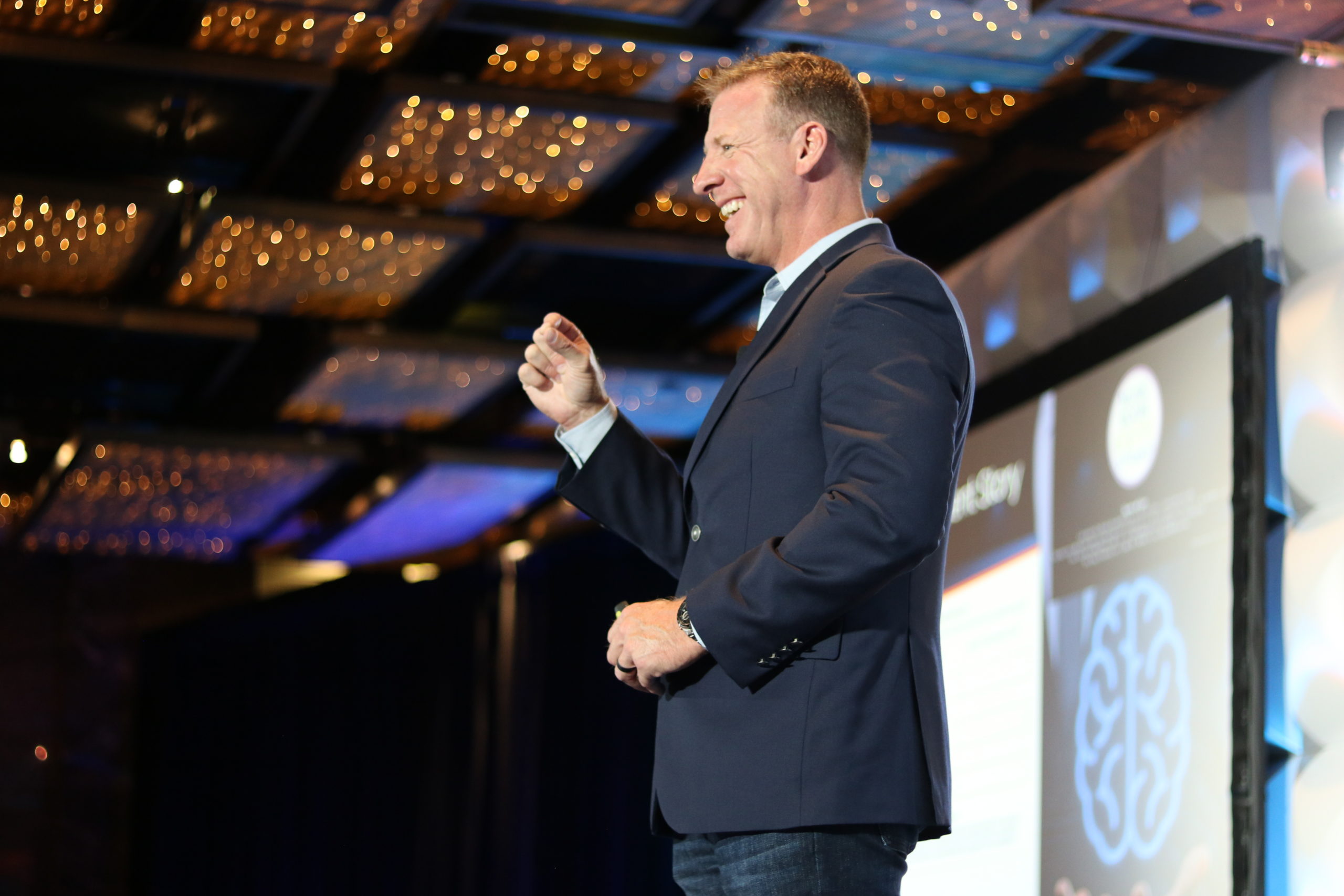
Jeff Bloomfield is a keynote speaker, Wall Street Journal bestselling author, and the founder of Braintrust. He has spent over 20 years helping Fortune 500 sales teams rewire how they communicate, using the neuroscience of trust, decision-making, and buyer behavior to drive results that last. He speaks at corporate events, executive summits, and sales kickoffs across life sciences, financial services, software, and technology.
Experience Highlights
- NeuroSelling methodology and enterprise adoption
- Trust-based selling at the executive level
- Sales transformation in complex, long-cycle industries
- Keynote speaking and executive coaching
Areas of Expertise
A price increase lands on your sellers before it lands on your customers. Many of them dread the conversation more than the buyer does. Under that pressure, good reps apologize, over-explain, delay, or quietly discount the increase away before it ever reaches the invoice.
If a price increase is coming and your sales kickoff or sales meeting is on the calendar, the keynote is one of the best places to prepare the team. This guide covers what that keynote needs to do and how to choose the speaker.
Why a Price Increase Is a Trust Event
On a spreadsheet, a price increase is a number. In a customer relationship, it's a test of trust.
The buyer's first question isn't "Is this fair?" It's "Can I still trust this partner?" They're asking whether the value is real, whether more increases are coming, and whether they'll look bad to their own leadership for staying.
Your sellers are asking a version of the same question. Will this damage relationships I spent years building? Can I defend this without sounding like I'm reading a script? If the team walks into those conversations with doubts of their own, buyers will feel it.
That's why the right keynote before a price increase isn't about pricing. It's about trust.
What Happens in the Buyer's Brain
When a buyer hears about a price increase, the brain doesn't start with a value calculation. It starts with a safety check.
- The loss gets weighted heavily. Loss aversion means the new cost feels larger than the same amount of added value.
- Predicted trust gets retested. Trust moves through four stages: predicted, earned, broken, and rebuilt. A price increase can push a stable relationship back toward "predicted," where the buyer is watching for signs of risk.
- Emotion leads the decision. 95% of purchase decisions are driven by emotion, not logic. The buyer's reaction to the seller's tone and confidence often matters as much as the justification.
None of this means buyers won't accept an increase. It means they decide whether to accept it based on trust, and the seller is the face of that trust.
What Happens in the Seller's Brain
Sellers face pressure of their own. In my keynotes, I call this the Behavior-Access Problem: experienced sellers already know the playbook but can't access it under pressure, so they revert to old habits.
Before a price increase, those old habits look predictable:
- Leading with an apology instead of the value
- Over-explaining the reasons until it sounds defensive
- Delaying the conversation until renewal pressure forces it
- Offering a discount before the buyer even asks
Each of those behaviors signals doubt. Buyers read doubt as risk. For more on that pattern, see why sellers discount too early.
What the Keynote Needs to Do
A keynote before a price increase has a specific job. It's not there to announce the increase or teach the talk track. It's there to change how the team sees the conversation.
| Goal | Why It Matters | What the Keynote Addresses |
|---|---|---|
| Replace dread with understanding | Sellers who fear the conversation avoid or soften it | How the buyer's brain actually processes a price change |
| Reframe the conversation as a trust moment | Buyers decide based on trust, not the spreadsheet alone | The three conditions of trust and how they apply |
| Explain why sellers cave under pressure | Naming the pattern makes it easier to catch | The Behavior-Access Problem |
| Give the team a shared language | Managers need words to reinforce the message | A common vocabulary for deal reviews and coaching |
| Build confidence, not bravado | Buyers read false confidence as quickly as fear | Why consistency earns more trust than persuasion |
Why Trust Is the Right Lens
Trust is the brain's permission slip to buy, follow, change, speak up, and move forward. In my trust keynote, I break it into three conditions. Each one maps directly to a price conversation.
| Trust Condition | What a Buyer Needs During a Price Increase | What the Keynote Helps Sellers See |
|---|---|---|
| Safety always comes before reasoning | To feel the relationship isn't at risk before hearing the reasons | Why tone and timing land before the justification does |
| Reliability is proven with consistency | Evidence the seller and company have delivered, and will keep delivering | Why the relationship history is the strongest argument |
| Trust is earned when the upside is clear | Confidence that staying is still the smart move | Why missing confidence, not missing information, usually blocks a decision |
When sellers understand those conditions, the price conversation stops feeling like a confrontation. It becomes one more moment in a relationship they've already earned. For a deeper look, see the three conditions of trust.
What the Keynote Should Not Do
A few approaches tend to backfire before a price increase.
- Hype. "Go out and sell it!" energy can feel tone-deaf to sellers worried about real customer relationships.
- Blame. A keynote that implies sellers are the problem makes them more defensive, not less.
- Talk tracks from the stage. Segment-specific messaging belongs with your enablement team and pricing leaders, where it can be tailored to each customer group. The keynote's job is the mindset that makes those talk tracks land.
- Announcing the increase. Leadership should own the announcement and the reasons. The keynote works best after the team has heard the facts from their own leaders.
When to Schedule the Keynote
Timing matters. These are planning patterns, not research findings.
| Timing | How It Works | Best Fit |
|---|---|---|
| At the annual SKO, before the increase takes effect | Leadership announces, keynote follows, enablement sessions close the day | Increases effective early in the fiscal year |
| At a mid-year or regional sales meeting | Same sequence, smaller room | Increases timed to a mid-year price change |
| A dedicated virtual session | A shorter keynote ahead of the customer announcement | Fast timelines or distributed teams |
| At a sales leadership meeting first | Managers hear it before their teams do | Large teams where managers will carry the message |
Whatever the format, the keynote should land before sellers start their customer conversations, not after the first wave of pushback.
How to Choose the Speaker
Use these criteria to screen speakers for a pre-price-increase session.
- Their message is about trust, not pressure. Ask what sellers will believe differently when they leave.
- The content rests on real research. Sellers are skeptical before a price increase. Thin content won't survive the room.
- They respect the sellers' concern. The best speakers take the dread seriously instead of dismissing it.
- They won't freelance on pricing. The speaker should never announce, justify, or debate the increase itself.
- They customize to your situation. Ask what they'll want to know about your customers, your segments, and the timeline.
- They give managers something to reinforce. A shared language matters more than a memorable line.
What to Share on the Pre-Event Call
Every booking with me includes a pre-event customization call. Before a price increase, come ready to share:
- The timeline: when the increase takes effect and when customers hear about it
- Which segments or products are affected
- What leadership will say and what's still confidential
- How sellers feel about it today, including any pushback
- Competitive dynamics in your market
- What you want sellers to believe when they walk out
"Jeff's scientific approach to decision making and the customer conversation has changed our approach forever."
Eddie Young, VP of Sales, Sunny Delight
Frequently Asked Questions
What kind of keynote should a sales team hear before a price increase?
A trust-focused keynote grounded in how buyers make decisions. It should help sellers understand why a price increase feels like a loss to buyers, why trust decides the outcome, and why sellers tend to cave under pressure.
Should the keynote speaker talk about our price increase?
No. Leadership should own the announcement and the reasons. The keynote works best after the team has heard the facts, helping sellers see the conversation as a trust moment rather than a confrontation.
Why do salespeople discount during a price increase?
Under pressure, sellers revert to old habits, and discounting is one of the most common. Jeff calls this the Behavior-Access Problem. Buyers often read an early discount as doubt, which can make the increase harder to hold.
When should we hold a keynote before a price increase?
Before sellers start customer conversations. Many companies place it at the annual or mid-year kickoff, right after leadership explains the increase and before enablement sessions on segment messaging.
Can a keynote replace price increase enablement?
No, and it isn't meant to. The keynote shapes how sellers see the conversation. Enablement and pricing leaders provide the segment details and talk tracks. The two work best together.
What does Jeff Bloomfield cover in a trust keynote for sales teams?
Jeff covers the three conditions of trust, how trust moves from predicted to earned, broken, and rebuilt, and why buyers decide whom to believe before they weigh any argument. Every keynote is customized on a pre-event call.
Is a price increase a good topic for a sales kickoff keynote?
The increase itself isn't the keynote topic. Trust is. A trust keynote gives sellers the mindset to hold value in hard conversations, which helps with a price increase and every negotiation after it.
If a price increase is on your calendar and you want your team walking into those conversations with confidence, let's talk about your event. See how Jeff builds every trust keynote around how buyers decide whom to believe.
Keynote Speaker
Jeff delivers keynotes at sales kickoffs, leadership summits, and corporate conferences, combining neuroscience, storytelling, and real-world selling experience into sessions that move people and stick long after the event ends.
