
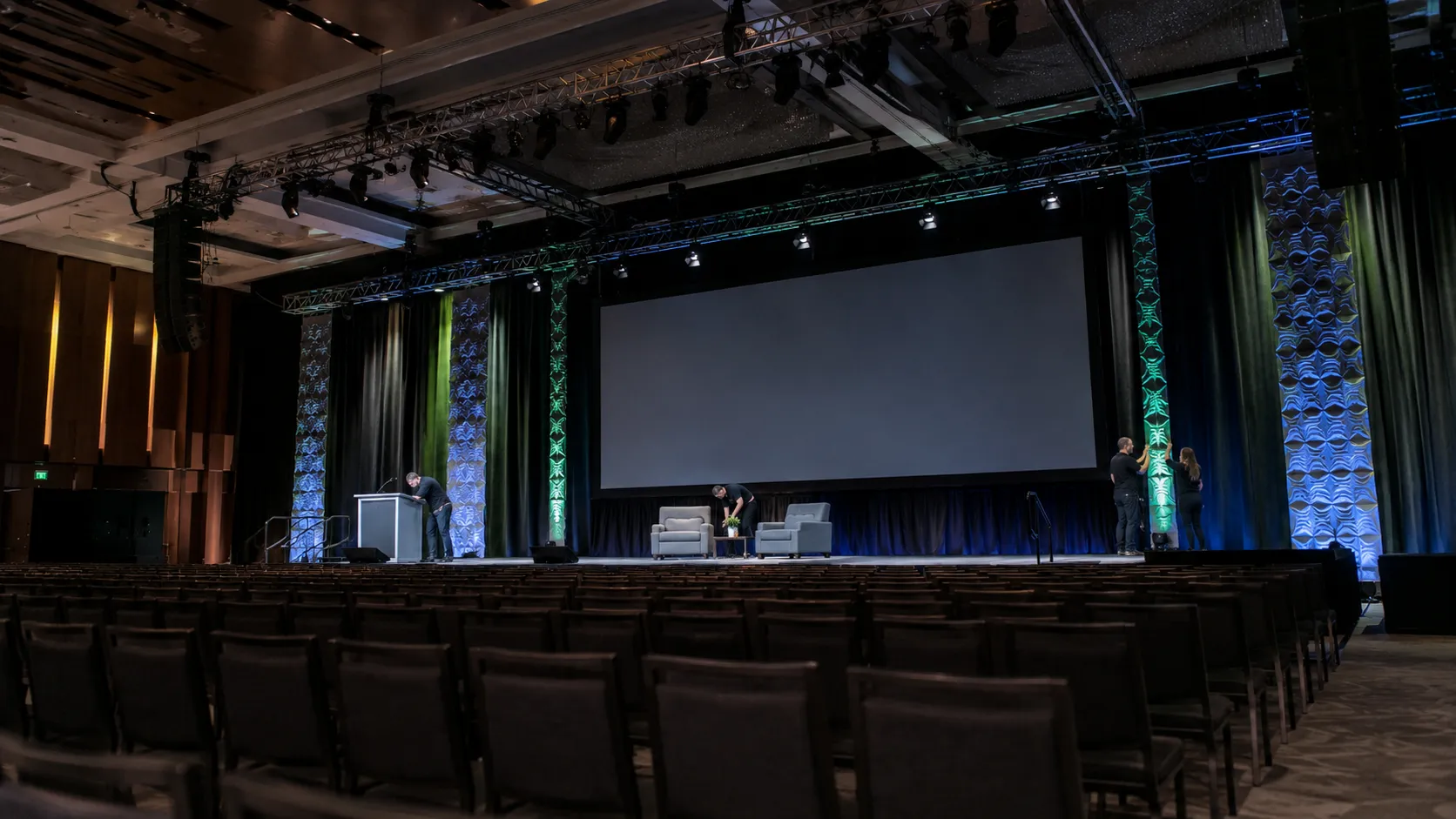
Best Practices for Planning a Multi-Speaker Conference Keynote Lineup
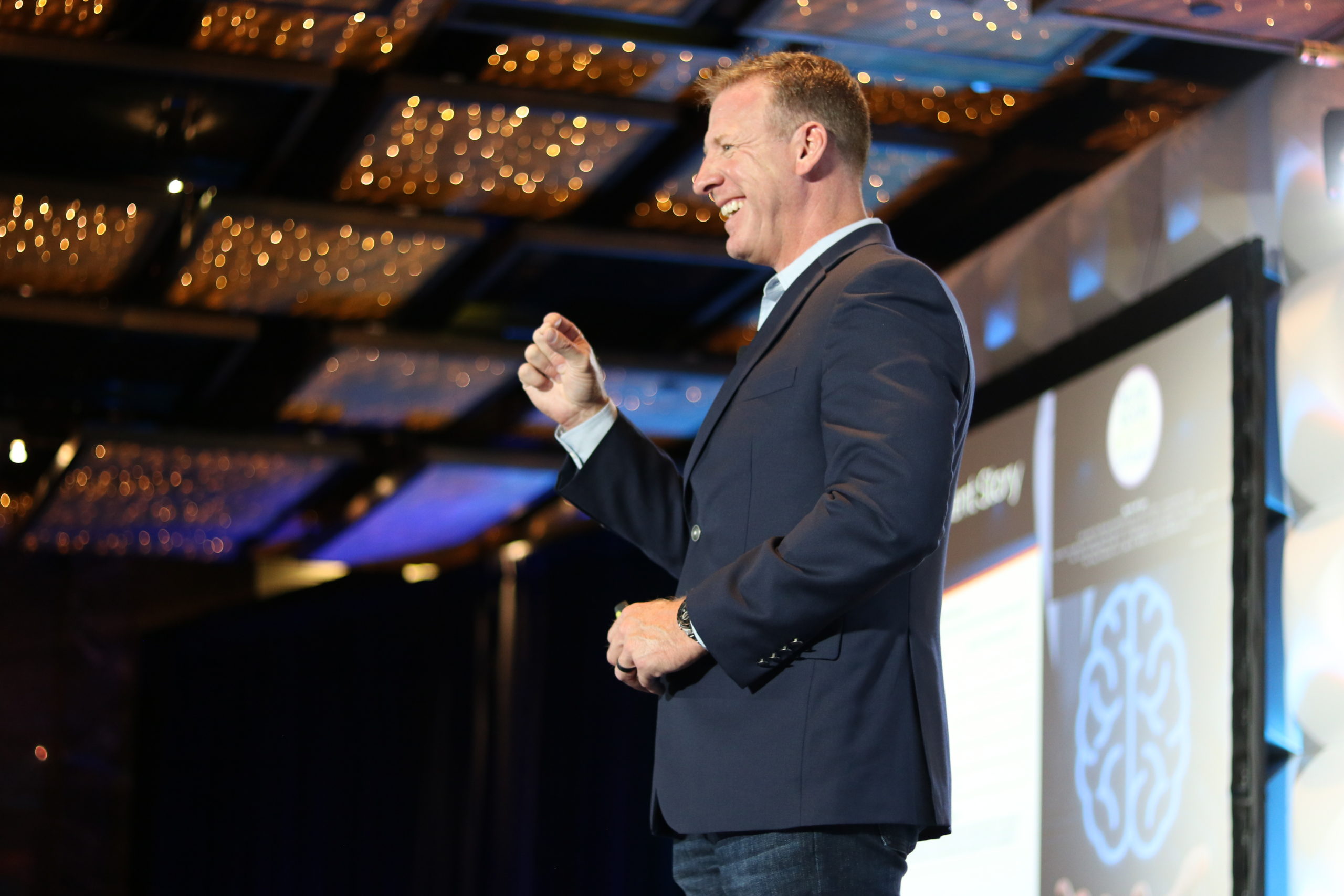
About
Jeff Bloomfield is a keynote speaker, Wall Street Journal bestselling author, and the founder of Braintrust. He has spent over 20 years helping Fortune 500 sales teams rewire how they communicate, using the neuroscience of trust, decision-making, and buyer behavior to drive results that training alone rarely produces. He speaks at corporate events, executive summits, and sales kickoffs across life sciences, financial services, software, and technology.
Experience Highlights
- 500+ keynotes delivered, rated the top speaker at virtually every event
- Wall Street Journal bestselling author
- Former biotech executive who led launches for genetic cancer therapies
- 20+ years of Fortune 500 client experience
Areas of Expertise
Booking one great keynote speaker is hard enough. Booking a full lineup, an opening keynote, a closing keynote, and sometimes breakout or general session speakers in between, introduces a different set of planning challenges. Get the lineup right and the event builds momentum from open to close. Get it wrong and even strong individual speakers can feel disconnected, repetitive, or mismatched in tone.
Best Practice 1: Design the Arc Before You Book Anyone
Before reaching out to a single speaker, map the emotional and thematic arc you want the event to follow. Most successful multi-speaker events move through a deliberate sequence: an opening keynote that sets energy and frames the stakes, supporting sessions that go deeper on specific themes, and a closing keynote that sends attendees out with clarity and momentum. Booking speakers without this arc in mind often produces a lineup of individually strong talks that never build on each other.
Best Practice 2: Avoid Thematic and Content Overlap
Nothing undercuts a multi-speaker lineup faster than two speakers making the same core point, especially if attendees notice the redundancy. Share each speaker's typical talking points and frameworks with the others being considered, or with your speaker bureau, to identify overlap before contracts are signed. This is particularly important when multiple speakers touch adjacent topics like leadership, storytelling, or change management, where content can blend together without careful curation.
Best Practice 3: Sequence for Energy, Not Just Seniority
Many planners default to booking the most expensive or most senior speaker for the opening slot out of habit. Energy sequencing matters more than seniority. An opening keynote needs to capture attention and set tone from a cold room. A closing keynote needs to send people out with momentum after a long day of content. The middle of the agenda can absorb more reflective or data-heavy content, since attention is naturally lower there regardless of speaker quality.
Best Practice 4: Brief Every Speaker on the Full Agenda, Not Just Their Slot
Each speaker should know what comes before and after their session, including the other speakers' general themes. This allows speakers to build natural connective tissue into their talks, referencing earlier sessions or previewing what is coming, which makes the event feel curated rather than like a series of unrelated bookings stitched together.
Best Practice 5: Standardize the Pre-Event Discovery Process
Not every speaker offers a pre-event discovery call by default, but planners running a multi-speaker lineup should treat this as a non-negotiable requirement across the board. A consistent discovery process, covering audience makeup, organizational context, and desired outcomes, ensures every speaker in the lineup is calibrated to the same event reality rather than delivering a generic version of their talk.
Best Practice 6: Diversify Format, Not Just Topic
A lineup made up entirely of traditional stage keynotes can feel monotonous even with strong individual speakers. Consider varying format across the agenda: a traditional keynote to open, a fireside chat or interactive session mid-program, and a high-energy closing keynote. This variation keeps attendee attention fresh across a multi-day or full-day event.
Best Practice 7: Protect the Closing Slot
The closing keynote carries outsized influence on how attendees remember the entire event, since it is the last impression before they leave. Do not treat the closing slot as an afterthought or hand it to whichever speaker happened to be available. Book a speaker specifically capable of synthesizing themes and sending the room out with clear, actionable energy.
My Approach to Multi-Speaker Events
I have been booked in every position in a multi-speaker lineup, opening, closing, and everywhere in between, and the events that work best are always the ones where the planning team shared context about the full agenda in advance. When I know what came before my session and what follows, I can build natural bridges into my talk rather than delivering a talk that feels disconnected from the rest of the day. I also always ask directly whether another speaker on the agenda is covering adjacent territory, so the content I deliver adds a distinct angle rather than repeating what the room already heard.
Planners building out a full conference keynote speaker lineup can expect this same level of coordination from my team during the discovery process, regardless of which slot I am filling.
Putting It All Together
| Lineup Element | Best Practice |
|---|---|
| Opening keynote | Book for energy and framing, not just name recognition |
| Middle sessions | Use for deeper, more reflective or data-driven content |
| Closing keynote | Protect this slot specifically for synthesis and momentum |
| Content overlap | Share themes across speakers to avoid redundancy |
| Format | Mix traditional keynotes with interactive or conversational formats |
| Speaker briefing | Share the full agenda with every speaker, not just their individual slot |
| Discovery calls | Standardize across every speaker in the lineup, not just the headliner |
Handling Last-Minute Speaker Cancellations
Even the most carefully planned lineup can face a last-minute cancellation, whether from illness, travel disruption, or an unavoidable scheduling conflict. Planners who have already built strong relationships with a speaker's team, rather than a purely transactional booking relationship, tend to navigate these situations far more smoothly, since a speaker who understands your event and audience can often recommend a suitable replacement or adjust their own availability if the relationship is strong enough.
It is worth building a modest contingency plan into every multi-speaker lineup, even if it never gets used. This might mean identifying a backup speaker in a similar content area during the original booking process, or negotiating flexible rebooking terms into every speaker contract up front. The events that recover most gracefully from a last-minute change are rarely the ones that scrambled for the first time when the cancellation call came in. They are the ones that had already thought through the scenario months earlier.
Coordinating Across Multiple Speaker Bureaus or Agents
Larger conferences often end up booking speakers through several different bureaus or direct agents, which adds a layer of coordination most planning teams underestimate. Each speaker's team will typically run its own contracting, travel, and technical rider process independently, which means the conference planning team becomes the only party with visibility into the full picture. Assign one internal owner to track every speaker's requirements, deadlines, and confirmed logistics in a single shared document, rather than letting each speaker relationship live in a separate inbox.
This single point of ownership also becomes essential when the thematic curation work described above needs to happen. A bureau representing one speaker has no visibility into what a different bureau's speaker is planning to cover, which means the planning team is the only party positioned to catch content overlap or tonal mismatches before they show up on stage.
Frequently Asked Questions
How many keynote speakers should a multi-day conference book?
There is no fixed number, but most well-run multi-day conferences book a distinct opening keynote, a distinct closing keynote, and additional general session or breakout speakers based on program length and budget. The key is designing an intentional arc rather than filling slots reactively.
How do we avoid two keynote speakers covering the same material?
Share each speaker's typical themes and frameworks with the others, or with your speaker bureau, before finalizing bookings. A short conversation between planners and speakers during the discovery process usually surfaces overlap early enough to adjust content.
Should the most senior or expensive speaker always open the conference?
Not necessarily. Opening keynotes benefit from speakers who can generate energy and set stakes from a cold room, while closing keynotes benefit from speakers who can synthesize the day and send attendees out with momentum. Match the speaker's strengths to the slot, not just their seniority.
What should we tell each speaker about the rest of the agenda?
Share the full lineup, general themes for each session, and where their slot falls in the sequence. This allows speakers to build natural references to what came before or what is coming next, making the event feel cohesive rather than disjointed.
Is it worth paying for a pre-event discovery call for every speaker in a multi-speaker lineup?
Yes. Discovery calls are one of the most effective ways to prevent content overlap and ensure every speaker understands the same audience context, which matters even more in a multi-speaker event than in a single-keynote event.
How much lead time do we need to book a full multi-speaker lineup?
Most planners should start outreach 8 to 12 months in advance for a full lineup, since coordinating multiple speakers' calendars, discovery calls, and content curation takes longer than booking a single keynote speaker.
Worth a Conversation
If you are building a multi-speaker lineup and want a keynote that fits intentionally into the full arc of your event, it is worth a conversation.
Keynote Speaker
Jeff delivers keynotes at annual conferences, sales kickoffs, and association events, combining neuroscience, storytelling, and real-world executive experience into sessions built specifically for each audience. Learn more about his conference keynote for corporate events.
