

How Far in Advance Should You Book a Keynote Speaker for Your Conference?
About
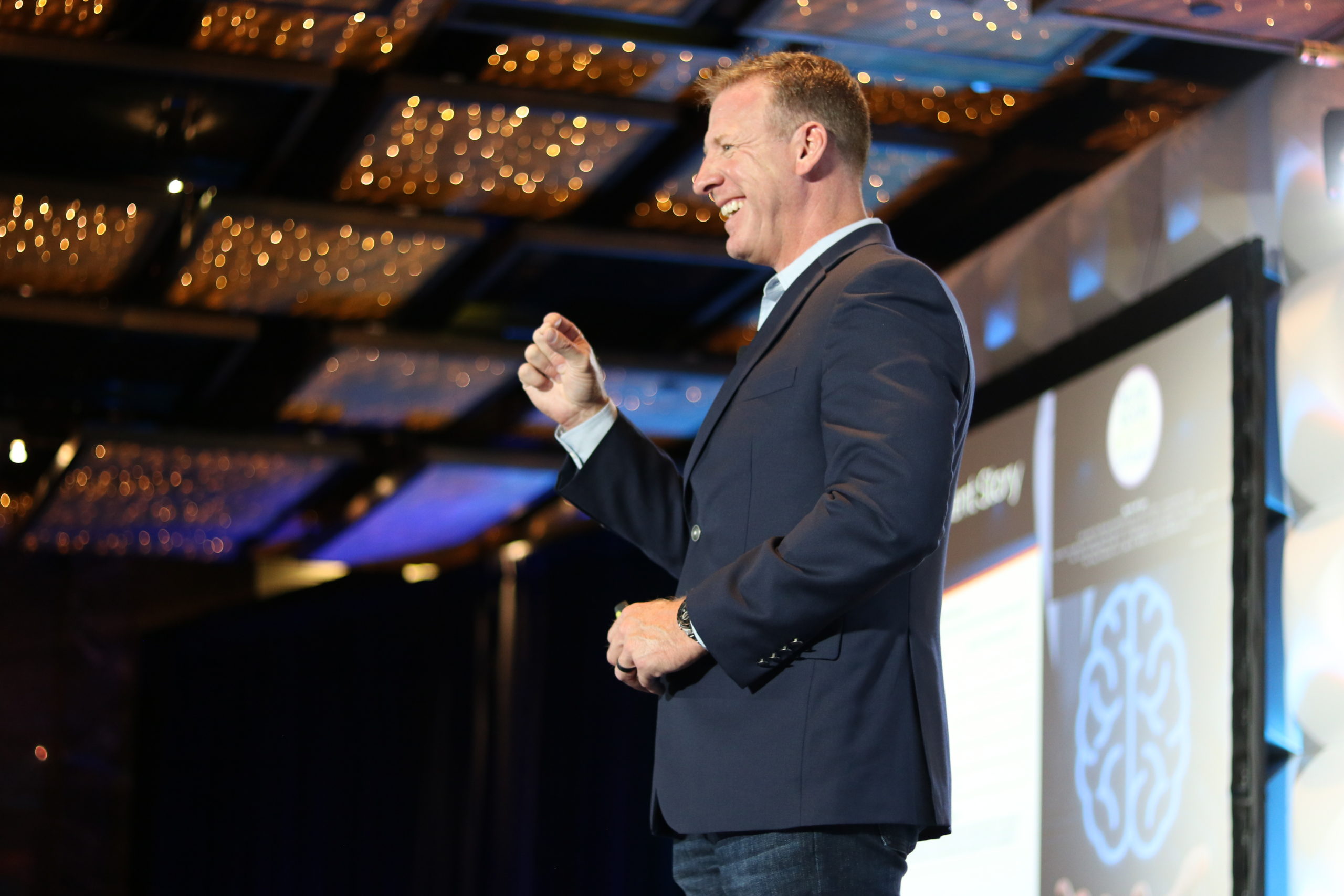
Jeff Bloomfield is a keynote speaker, Wall Street Journal bestselling author, and the founder of Braintrust. He has spent over 20 years helping Fortune 500 sales teams rewire how they communicate, using the neuroscience of trust, decision-making, and buyer behavior to drive results that training alone rarely produces. He speaks at corporate events, executive summits, and sales kickoffs across life sciences, financial services, software, and technology.
Experience Highlights
- 500+ keynotes delivered, rated the top speaker at virtually every event
- Wall Street Journal bestselling author
- Former biotech executive who led launches for genetic cancer therapies
- 20+ years of Fortune 500 client experience
Areas of Expertise
Most planning teams wait too long to start the keynote speaker conversation, then scramble to find anyone available on the right date. The better question isn't just when a speaker's calendar opens up. It's when you need to start the process to leave enough runway for a speaker to actually learn your organization and build something specific for your audience, instead of showing up with a generic talk they have delivered a hundred times before.
The Short Answer: 6 to 9 Months Out, Sooner for Premium Speakers
For most annual conferences, start the keynote speaker search 6 to 9 months before the event and aim to have a signed contract 4 to 6 months out. That window gives you real choice among speakers, room to negotiate fees and dates, and enough lead time for genuine customization before the event.
The exact number shifts depending on the speaker's demand level. Widely booked keynote speakers often need 9 to 12 months of lead time for major dates, since their calendars fill with other organizations' events long before yours goes on the books. Emerging or local speakers can sometimes be booked inside 6 to 8 weeks, though the strongest ones in that tier still go early. The safest planning assumption: the more in demand the speaker, the earlier the calendar closes, and the earlier you need to start.
Why Timing Is About More Than Calendar Availability
Most articles on this topic frame the booking timeline purely as a scheduling problem: get on the calendar before the date fills up. That's true, but it misses the bigger reason lead time matters. A speaker booked six months out has time to have a real conversation with your team, understand the specific challenges your audience is facing, and shape the content around your organization instead of delivering a version of the same talk they give everywhere else.
My approach to every keynote starts with understanding what a room is actually dealing with before I ever write a word of the talk. That takes a real conversation with the planning team, sometimes more than one, and time to think through how the content should land for that specific audience. A speaker booked eight weeks before the event doesn't have room for that process. A speaker booked six months out does. The gap between those two outcomes isn't subtle. It's the difference between a keynote that feels tailored to the room and one that feels like it could have been delivered anywhere.
The Keynote Speaker Booking Timeline, Month by Month
Here's a general planning timeline for a typical annual conference or corporate event. Adjust earlier if you're pursuing a widely booked or bestselling-author-level speaker.
| Months Before Event | Planning Stage | What to Do |
|---|---|---|
| 9 to 12 months out | Define the mission | Set the keynote's objective, confirm the budget range, and identify the specific challenge or theme you want addressed |
| 6 to 9 months out | Build the shortlist | Research speakers, request availability for your date, and compare fit against your event's theme and audience |
| 4 to 6 months out | Sign the agreement | Finalize the contract, lock the date, and start sharing background on your organization and audience |
| 2 to 3 months out | Customize the content | Hold the discovery call, walk through your industry context and audience makeup, and align on the takeaways you want the room to leave with |
| 2 to 4 weeks out | Confirm logistics | Finalize AV requirements, run of show, introduction copy, and any last-minute details with the speaker's team |
How Speaker Tier Changes Your Timeline
Not every keynote speaker operates on the same calendar. A speaker's demand level, more than anything else, determines how far in advance you need to reach out.
| Speaker Tier | Recommended Lead Time | Why |
|---|---|---|
| Emerging or local speakers | 6 to 8 weeks minimum | Smaller overall demand, but the strongest names in this tier still book out early |
| Established professional speakers | 4 to 6 months | A comfortable window that still leaves real choice among available dates |
| Widely booked keynote speakers | 6 to 9 months | Popular dates, especially Q1 sales kickoffs and fall conference season, close first |
| Bestselling-author or marquee-level speakers | 9 to 12 months or more | High demand across many organizations competing for the same calendar year |
What Happens When You Wait Too Long
Waiting until 60 or 90 days out to start the search doesn't just narrow your options. It changes the kind of keynote you end up with. Speakers with open availability that close to an event are often working from a fixed talk they can deliver with minimal preparation, because there simply isn't time for anything else. That can still be a strong presentation, but it's a different product than a keynote built specifically for your organization's goals.
There's also a practical cost. Last-minute searches often mean settling for whichever qualified speaker happens to be free, rather than the speaker who is genuinely the best fit for your audience and goals. Given that the keynote is the number one factor in overall conference satisfaction, that's a meaningful trade-off to make under time pressure.
Signs Your Booking Timeline Is Already Tight
A few signals suggest your planning team is behind where it should be:
- Your event is 3 months or less away and you haven't contacted a single speaker yet
- Your top-choice speakers keep coming back unavailable for your date
- You're being offered only a small handful of stock talk titles with no customization conversation
- Budget approval hasn't happened yet, but your date is fixed
- Nobody on the planning team has confirmed what specific outcome the keynote needs to drive
None of these are fatal. Speakers do fill last-minute gaps, and a shorter runway simply means narrowing your search to speakers realistically available on short notice. But if more than one of these applies, it's worth moving the keynote conversation to the top of this week's priority list.
Is There Such a Thing as Booking Too Early?
Rarely, but it can happen. Booking a speaker 18 months out with no clear sense of your event's theme or audience makeup means the pre-event customization call happens too early to be useful, and details can shift by the time the event arrives. The better practice is to start the search early, but hold the deeper customization conversation closer to the event, typically 60 to 90 days out, once your speaker lineup, agenda, and audience composition are settled.
The other risk with booking far in advance is treating the contract as the finish line. A signed agreement 10 months out still needs a real planning relationship between now and the event, not silence until the week of the conference.
What Extra Lead Time Actually Buys You
I show planning teams that the value of an early booking isn't really about beating the calendar. It's about what becomes possible once a speaker has room to prepare. With six months of lead time, there's space for a real discovery call, time to review your organization's specific challenges, and room to build a talk around your audience's actual decision-making patterns rather than a generic version of trust, change, or performance.
That's the difference between a keynote audiences politely applaud and one that changes how a room thinks about a problem for months afterward. Planning teams that want to see what that looks like for their event can learn more through Jeff's conference keynote speaker page, where every booking includes a pre-event customization call as a standard part of the process, not an upsell.
A Quick Planning Checklist by Timeframe
Use this as a working reference when you sit down to plan your keynote search:
- 9+ months out: Confirm your budget range and the specific outcome you want the keynote to drive.
- 6 to 9 months out: Build a shortlist of 3 to 5 speakers and request availability for your date.
- 4 to 6 months out: Sign the agreement and begin sharing organizational background with the speaker's team.
- 2 to 3 months out: Hold the discovery call and finalize the content direction.
- 2 to 4 weeks out: Confirm logistics, AV needs, and introduction details.
Frequently Asked Questions
How far in advance should I book a keynote speaker for my conference?
For most annual conferences, start the search 6 to 9 months before the event and aim to sign 4 to 6 months out. Widely booked or bestselling-author-level speakers often require 9 to 12 months of lead time, while emerging speakers can sometimes be booked inside 6 to 8 weeks.
What is the minimum lead time for a keynote speaker?
Some emerging or local speakers can be booked with as little as 6 to 8 weeks of notice. Established professional speakers generally need at least 3 to 4 months to leave real room for both scheduling and content customization.
Does booking early actually change the quality of the keynote?
Yes. A speaker booked with several months of lead time has time for a real discovery conversation about your organization and audience, which shapes more specific, relevant content. A speaker booked at the last minute is often working from existing material with little room to customize it.
What if our event date is only 8 to 10 weeks away?
You still have options, but your search should focus on speakers with confirmed availability rather than a wish list of names. Be direct about your timeline early in the conversation, and prioritize speakers who can still offer a meaningful pre-event discovery call even on a compressed schedule.
Should we hold the pre-event planning call as soon as we sign the contract?
Not necessarily. It's often better to sign early to lock the date, then hold the deeper customization call 60 to 90 days before the event, once your agenda, audience composition, and event theme are more settled.
Does the booking timeline change for virtual keynotes?
Slightly. Virtual keynotes sometimes have more flexible scheduling since travel logistics are removed, but the customization timeline matters just as much. A virtual keynote booked at the last minute still misses the benefit of a real discovery process before the event.
Worth a Conversation
If your event date is set and you're ready to start the keynote conversation, whether you're 9 months out or working with a tighter runway, it's worth a conversation.
Keynote Speaker
Jeff delivers keynotes at annual conferences, sales kickoffs, and association events, combining neuroscience, storytelling, and real-world executive experience into sessions built specifically for each audience. Learn more about his conference keynote for corporate events.
