
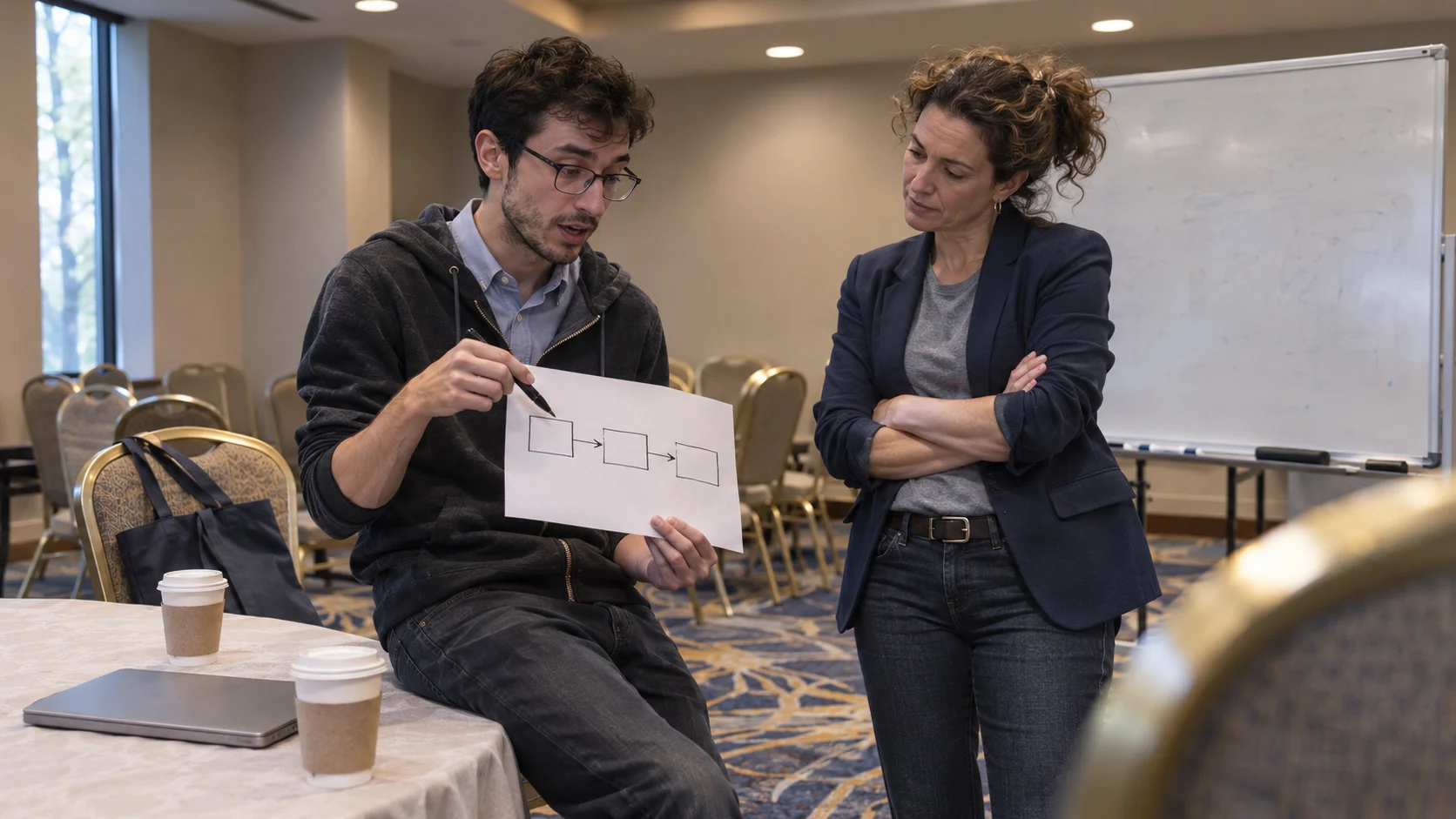
How to Choose a Keynote Speaker for a Sales Engineering or Presales Kickoff
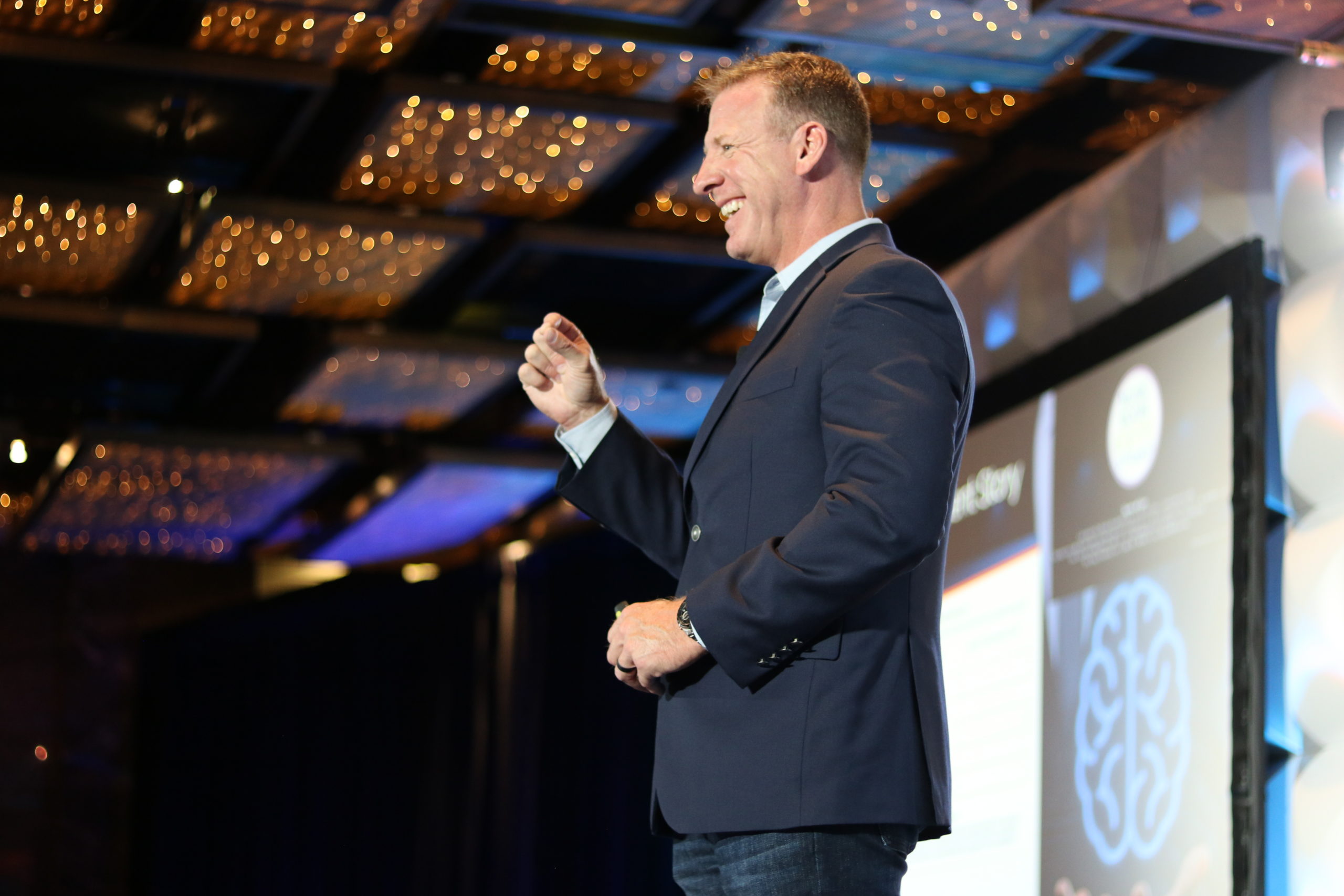
About
Jeff Bloomfield is a keynote speaker, Wall Street Journal bestselling author, and the founder of Braintrust. He has spent over 20 years helping Fortune 500 sales teams rewire how they communicate, using the neuroscience of trust, decision-making, and buyer behavior to drive results that last. He speaks at corporate events, executive summits, and sales kickoffs across life sciences, financial services, software, and technology.
Experience Highlights
- NeuroSelling methodology and enterprise adoption
- Trust-based selling at the executive level
- Sales transformation in complex, long-cycle industries
- Keynote speaking and executive coaching
Areas of Expertise
Sales engineers are one of the toughest audiences a keynote speaker can face. They're technical, evidence-driven, and quick to spot an idea that doesn't hold up. A speaker who wins over a general sales room with energy and stories can lose an SE room in five minutes.
If you're planning a sales engineering, solutions consulting, or presales kickoff, the keynote has to earn its place differently. This guide covers what a presales audience needs, which topics land, and how to choose a speaker the room will respect.
Why a Presales Room Is Different
A presales team sits in a unique spot in the sale. They own the demo, the technical validation, and often the trust of the buyer's most skeptical evaluators. They see the logic of the decision more clearly than anyone. They're also the people most likely to assume the logic is what decides it.
That creates a specific set of audience traits a speaker has to plan for.
| Audience Trait | What It Means for the Keynote |
|---|---|
| Evidence-driven | Every statistic needs a source. Hype gets dismissed fast |
| Skeptical of "sales talk" | Content framed as closing tactics loses the room |
| Deep product knowledge | They don't need product content from an outside speaker |
| Close to the buyer's evaluators | They feel trust problems before the AE does |
| Measured on technical wins | They need to see how buyer psychology connects to the technical win |
What a Presales Team Needs From a Keynote
The SE room doesn't need motivation, and it doesn't need another methodology slide. It needs a new lens on the part of the sale they influence most.
The best presales keynotes do three things:
- Show the science behind the decision. When a team that lives in the logic sees how buyers actually decide, the demo starts to look different.
- Connect technical credibility to trust. Sales engineers are often the most trusted person on the vendor side. A keynote can show why, and what puts that trust at risk.
- Strengthen the AE and SE partnership. A shared language between account executives and sales engineers changes deal reviews, discovery, and handoffs.
Topics That Land With Sales Engineers
Some keynote topics tend to resonate with presales audiences more than others.
| Topic | Why It Resonates | What the Room Leaves With |
|---|---|---|
| How buyers actually decide | It challenges an assumption they hold, using research they respect | A new read on why the "winning" demo sometimes loses |
| The demo as a story | Stories are 22x more memorable than facts alone | An understanding of what evaluators repeat internally |
| Trust with technical evaluators | Reliability is proven with consistency | Why credibility and trust aren't the same thing |
| Attention in the first minutes | Audiences decide in seconds whether to stay engaged | Why the opening of a demo matters more than the feature list |
| Performance under pressure | Sellers and SEs both revert to habits in high-stakes moments | A name for the pattern, so the team can catch it |
Why Neuroscience Works for a Technical Audience
Technical audiences tend to trust mechanisms more than motivation. Explain how something works and they'll follow you. Tell them how to feel and they'll check out.
That's why a neuroscience-based keynote fits this room. In my keynotes, I show audiences how the brain processes a buying decision: the safety check that runs before reasoning, the pull of loss aversion, and why trust decides which argument a buyer even hears. For engineers, it's a system they can reason about.
It also explains something most SEs have lived through: the deal where the technical evaluation went perfectly and the buyer still didn't move. Buyers move when three things are true: they trust the seller, they feel the cost of inaction, and they see a safe path forward. A flawless proof of concept answers only part of that.
See what makes a neuroscience-based sales keynote different for more on the approach.
The AE and SE Partnership
Many presales kickoffs happen alongside the broader SKO. That creates a choice: a separate presales keynote, a joint session, or both.
| Format | How It Works | Best Fit |
|---|---|---|
| Separate presales keynote | A dedicated session for SEs and solutions consultants | Large presales orgs with their own kickoff |
| Joint AE and SE keynote | One keynote at the main SKO, built for both roles | Teams where the partnership is the priority |
| Main SKO keynote plus SE breakout | The keynote sets the shared language, a breakout applies it to presales | Most mid-size and enterprise teams |
These are planning patterns, not research findings. The right choice depends on your team size, budget, and how often AEs and SEs work deals together.
If you go joint, make sure the speaker builds the content for both roles. A keynote that only talks to AEs tells SEs they're an afterthought. For more on SKO structure, see how to build a sales kickoff agenda around your keynote.
How to Vet a Speaker for a Presales Room
Use these criteria to screen finalists.
- Their content rests on real research. Ask where the core ideas come from. An SE room will notice the gaps.
- They don't sell closing tactics. The message should be about how buyers decide, not how to push them.
- They understand the presales role. Ask how they'd adapt the keynote for SEs versus AEs.
- They respect the room's expertise. A good speaker doesn't try to teach SEs their product or their job.
- They customize. Ask what they'll want to know about your sales motion, your demos, and your buyers.
- They give leaders something to reinforce. A shared language matters more than a memorable line.
Watch their demo reel with an SE leader in the room. If the reel leans on hype, your team will feel it too. See how to evaluate a keynote speaker's demo reel.
What to Share on the Pre-Event Call
Every booking with Jeff includes a pre-event customization call. For a presales kickoff, come ready to share:
- How your presales team is structured and how SEs are measured
- Where technical wins turn into lost or stalled deals
- How AEs and SEs split discovery, demos, and proofs of concept
- What buyers' technical evaluators care about most
- Any enablement or certification sessions planned for the same kickoff
- What you want the room to believe when they walk out
"Jeff's session sent a wave of positive energy through the audience that's still evident in our conversations weeks later."
Melody R., Sr. Director
Common Mistakes When Booking for Presales
- Booking the main SKO speaker by default. That can work, but only if the speaker adapts the content for a technical room.
- Choosing a product or technology futurist. SEs already know the technology. They need a new lens on the buyer.
- Filling the slot with motivation. Energy alone rarely survives a skeptical room.
- Skipping the joint session. If AEs and SEs never hear the same message, they leave with different languages.
Jeff's sales keynote is built for rooms that want the science behind the sale, including presales and solutions teams.
Frequently Asked Questions
How do I choose a keynote speaker for a sales engineering kickoff?
Look for a speaker whose content rests on real research, who understands the presales role, and who will customize for a technical audience. Avoid speakers who rely on hype or closing tactics. Ask how they'd adapt their keynote for SEs versus AEs.
What keynote topics work for presales teams?
Topics that explain how buyers decide tend to land best: the science of buying decisions, trust with technical evaluators, the demo as a story, and performance under pressure. SEs respond to mechanisms they can reason about.
Should sales engineers and account executives hear the same keynote?
Often, yes. A shared keynote gives AEs and SEs a common language for discovery, demos, and deal reviews. If you run a separate presales kickoff, a breakout can apply the keynote's ideas to the SE role.
Why does a neuroscience keynote work for technical audiences?
Technical audiences trust mechanisms over motivation. Neuroscience explains how buying decisions work, which gives sales engineers a system they can reason about. Jeff uses it to show why a flawless technical evaluation doesn't always lead to a decision.
Can a keynote replace demo or presales training?
No, and it isn't meant to. The keynote changes how the team sees the buyer. Presales enablement, certification, and demo coaching build the skills. The two work best together.
How long should a presales kickoff keynote be?
Most run 45 to 60 minutes, which leaves room for depth without crowding hands-on sessions. See how long a keynote should be for more on length by event type.
Does Jeff Bloomfield speak to presales and solutions teams?
Yes. Jeff's sales keynotes are grounded in the neuroscience of buying decisions, which resonates with technical rooms. Every keynote is customized on a pre-event call to fit the presales role and your sales motion.
If you're planning a sales engineering or presales kickoff, let's talk about your event. Jeff will build the keynote around how your buyers actually decide.
Keynote Speaker
Jeff delivers keynotes at sales kickoffs, leadership summits, and corporate conferences, combining neuroscience, storytelling, and real-world selling experience into sessions that move people and stick long after the event ends.
