

How to Choose a Keynote Speaker for an SDR or Inside Sales Kickoff
About
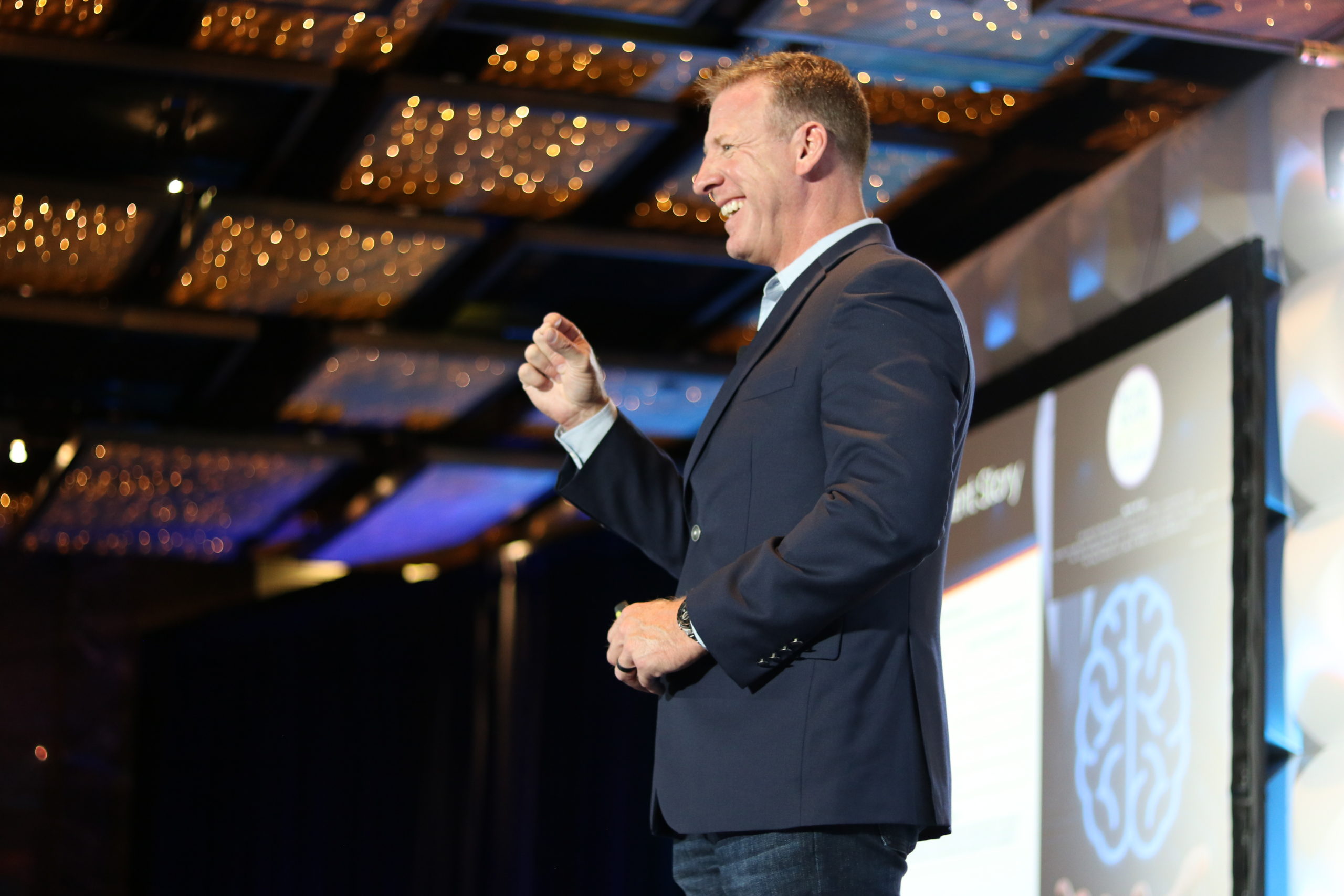
Jeff Bloomfield is a keynote speaker, Wall Street Journal bestselling author, and the founder of Braintrust. He has spent over 20 years helping Fortune 500 sales teams rewire how they communicate, using the neuroscience of trust, decision-making, and buyer behavior to drive results that last. He speaks at corporate events, executive summits, and sales kickoffs across life sciences, financial services, software, and technology.
Experience Highlights
- NeuroSelling methodology and enterprise adoption
- Trust-based selling at the executive level
- Sales transformation in complex, long-cycle industries
- Keynote speaking and executive coaching
Areas of Expertise
Most keynote advice is written for account executives with a decade of reps behind them. Your SDRs and inside sales team are a different room. They're newer to the work, they make far more attempts per day, and they hear "no" or hear nothing more often than anyone else in the building. A keynote built for a senior enterprise team can bounce right off them. Choosing the right speaker starts with knowing who is actually in the seats.
Why an SDR Kickoff Needs a Different Keynote
An inside sales or SDR kickoff has a different job than an enterprise SKO. The team is closer to the front line of buyer reaction, and the feedback loop is fast. A seller can have more first conversations in a week than a senior account executive has in a month. That volume is an advantage when the behavior is right and a drain when it isn't.
Here's the mechanism. The brain runs a safety check on every unexpected message before it reasons about the content. A cold call, a first email, or a LinkedIn message all land in that check first. Your sellers aren't just competing with other vendors. They're competing with a fast, automatic question in the buyer's brain: "Is this safe to engage with?"
A keynote that explains that science, live, gives a young team something rare. It turns a feeling ("buyers keep ignoring me") into an explanation ("here's what the buyer's brain is doing in those first moments"). That's the kind of shift a kickoff can create.
What the SDR Room Is Actually Dealing With
Before you evaluate any speaker, write down what your team faces every day. The best keynote speaks directly to these realities instead of delivering a general sales talk.
| Reality of the Role | What It Does to Performance | What the Keynote Should Address |
|---|---|---|
| High volume of attempts | Sellers default to speed and sameness | Why first moments matter more than the number of touches |
| Cold or unexpected contact | The buyer's safety check fires first | How the brain decides in the opening seconds |
| Silence and ghosting | Sellers read silence as personal rejection | What buyer silence actually signals |
| Early-career confidence | Sellers know the playbook but freeze under pressure | The Behavior-Access Problem and how it shows up on live calls |
| Daily activity targets | Pressure pushes sellers back to old habits | Why behavior reverts under stress and what changes that |
A speaker who can't connect to at least four of these rows is probably giving a talk designed for another audience.
What an SDR Keynote Should Deliver
A strong keynote for an inside sales team does five things. None of them require a script or a step-by-step method, and a good speaker won't pretend a single session can replace your enablement program.
- A reason the first moments matter. Research shows people form a general first impression in about 0.07 seconds. Sellers who understand that stop treating the opening of a conversation as a formality.
- An explanation for buyer silence. When sellers learn why buyers go quiet, they stop taking it personally. See why buyers ghost and what silence actually signals.
- A shared language. When every SDR, every manager, and every account executive uses the same words for the same behavior, coaching gets faster.
- Belief that the work matters. SDRs often do the hardest part of the funnel with the least recognition. A credible speaker makes the case, grounded in science, that this work is a skill.
- A clean handoff to your managers and enablement team. The keynote should give them something to build on in the weeks after the event.
Generic Sales Talk vs. a Keynote Built for Your Inside Team
Use this comparison when you're reviewing finalists.
| Factor | Built for Your SDR or Inside Team | Generic Sales Talk |
|---|---|---|
| Opening | Starts with the first seconds of a buyer conversation | Starts with the speaker's own story |
| Core content | Explains how buyers decide and why they go silent | Covers broad sales themes for every audience |
| Examples | Short-cycle, high-volume, first-contact situations | Long enterprise deals |
| Customization | Built around your motion, your buyers, and your team's real friction | Same talk, new logo on the first slide |
| Follow-through | Gives managers and enablement something to reinforce | Ends when the applause ends |
Format and Timing: How Long and Where on the Agenda
SDR and inside sales kickoffs often run shorter and move faster than enterprise SKOs. These are common planner norms, not rules.
| Event Setup | Typical Keynote Length | Best Slot | Planning Note |
|---|---|---|---|
| SDR-only kickoff, one day | 45 to 60 minutes | Late morning, after a short opening | Keep energy high and leave room for questions |
| Combined SDR and account executive kickoff | 45 to 60 minutes | Day 1, right after the leadership opening | Gives both groups one shared language |
| Virtual inside sales kickoff | 30 to 45 minutes | Early session, camera-friendly format | Plan interaction every few minutes |
| Quarterly team reset | 30 to 45 minutes | Opening session | Pair with a manager follow-up within the week |
For slot strategy, see opening keynote vs. closing keynote and how to build a sales kickoff agenda around your keynote.
Should SDRs and Account Executives Hear the Same Keynote?
Usually, yes. The handoff between an SDR and an account executive is where a lot of momentum is gained or lost. When both sides hear the same explanation of how buyers decide, the handoff conversation gets easier. Both groups use the same words for what the buyer is feeling.
There's also a respect issue. When SDRs sit in the same keynote as the senior team, the message is that their work belongs to the same system. That matters for a group that often feels like the entry point rather than the engine.
How I Approach an Inside Sales Audience
I build every keynote around one problem I call the Behavior-Access Problem. Sellers already know the playbook. What they can't do is access it under pressure, so they revert to old habits. For an SDR team, that pressure shows up daily: a low connect rate, a short reply, a prospect who says "not interested" in four seconds.
My keynotes follow three movements. Illuminate shows the neuroscience of how buyers decide, live. Elevate turns that science into a shared language. Activate makes the impact concrete enough to use on the next call. I learn about your team's motion and buyers on a pre-event customization call, which is included with every booking, so the examples match the conversations your team actually has.
For more on the problem itself, see what the Behavior-Access Problem is and why your best sellers freeze under pressure.
Questions to Ask Every Speaker Before You Book
- What do you know about how our buyers react in the first moments of an outreach?
- How will you adapt the talk to a team that makes high volumes of first contacts?
- What will our SDRs understand differently the day after the keynote?
- How will your content hand off to our managers and enablement team?
- Can you speak to both SDRs and account executives in the same session?
- What happens if the talk doesn't land? (Jeff's performance guarantee: "if your attendees don't rate Jeff among the top speakers at your event, he'll work with you to make it right.")
For a longer list, see 7 questions to ask a keynote speaker before you book.
"Jeff was one of the best keynote speakers our company has had at any of our annual summit meetings by far!"
Mark Cummings, VP, ZRG Partners
Frequently Asked Questions
What should a keynote speaker cover at an SDR kickoff?
It should cover how buyers decide, what happens in the brain in the first moments of a conversation, and why buyers go silent. Jeff Bloomfield's sales keynote is built on the Behavior-Access Problem: sellers know the playbook but can't access it under pressure.
Is a keynote worth it for an SDR or inside sales team?
It can be, when the gap is behavior and belief rather than information. Early-career sellers often understand the steps but freeze under live pressure. A keynote that explains the science behind that gap gives managers and enablement a shared language to build on.
How long should an SDR kickoff keynote be?
Most run 45 to 60 minutes in person and 30 to 45 minutes for virtual events. Shorter formats work when the speaker customizes tightly to your team's motion.
Should we book a different speaker for SDRs than for account executives?
Usually not. One speaker with a shared framework gives both groups the same language, which makes the SDR-to-account-executive handoff easier. Ask the speaker how they adapt examples for each audience.
Can a keynote speaker work with a virtual inside sales team?
Yes. Many inside sales teams are distributed, and a virtual keynote can work well with shorter formats and planned interaction. Jeff delivers keynotes both virtually and in person.
How does a keynote fit with our existing sales training?
A keynote works best alongside training, not in place of it. It creates the belief and shared language that make enablement stick, and gives managers a common reference when they coach.
How far in advance should we book a keynote speaker for a kickoff?
Plan on four to six months where you can. January and February are busy kickoff months. Jeff is now booking 2026 and 2027 events, in person and virtual.
If you're planning a kickoff for SDRs or an inside sales team, it's worth a conversation about what your team faces every day. See how Jeff builds every sales keynote around how buyers actually decide.
Keynote Speaker
Jeff delivers keynotes at sales kickoffs, leadership summits, and corporate conferences, combining neuroscience, storytelling, and real-world selling experience into sessions that move people and stick long after the event ends.
