
A Guide to AI Keynote Speakers that Drive Human-Centric Innovation
About
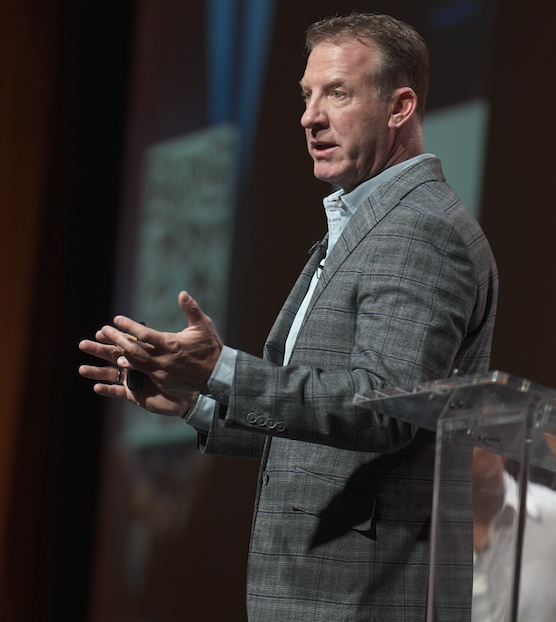
Jeff Bloomfield is a keynote speaker, Wall Street Journal bestselling author, and the founder of Braintrust. He has spent over 20 years helping Fortune 500 sales teams rewire how they communicate, using the neuroscience of trust, decision-making, and buyer behavior to drive results that training alone rarely produces. He speaks at corporate events, executive summits, and sales kickoffs across life sciences, financial services, software, and technology.
Experience Highlights
- NeuroSelling methodology and enterprise adoption
- Trust-based selling at the executive level
- Sales transformation in complex, long-cycle industries
- Keynote speaking and executive coaching
Areas of Expertise
Finding the right AI keynote speaker for a corporate event isn't just about showcasing emerging technologies. It's about sparking transformation through a human lens. The most effective AI speakers don't overwhelm audiences with data or buzzwords; they connect complex innovation to trust, empathy, and behavioral change. This guide explores what makes a truly human-centric AI keynote speaker stand out, how to choose one strategically, and how to translate an inspiring talk into measurable organizational growth.
Understanding Human-Centric AI Keynote Speakers
A human-centric AI keynote speaker bridges the gap between machines and meaning. Rather than focusing only on algorithms, automation, or disruption, they connect AI's potential to people: how teams adapt, lead, and thrive in a changing digital landscape.
Defined simply, a human-centric AI keynote speaker translates artificial intelligence advances into practical, people-first impacts such as workforce empowerment, skill evolution, and trust-based transformation. In today's corporate environment, this approach matters more than ever.
By emphasizing empowerment, inclusion, and practical application, these speakers help position AI as a strategic advantage instead of a looming threat to job security or culture. They turn fear into forward motion.
My own approach to this topic is grounded in neuroscience. I show audiences how the brain actually processes change, trust, and technology, helping organizations adopt AI without losing their human edge.
Key Themes in Human-Centric AI Presentations
Human-centric AI keynotes go well beyond introducing new technology. They weave together strategy, psychology, and leadership to shape how organizations evolve. Common themes include:
- AI-driven innovation with humans in the loop: Empowering collaboration between technology and talent.
- Responsible and ethical AI governance: Addressing fairness, transparency, and privacy in real-world decisions.
- Emotional intelligence and change readiness: Building trust and resilience amid transformation.
- Culture and leadership evolution: Developing skills that make teams adaptable, empathetic, and creative.
The contrast below captures the fundamental difference between a tech-first and a human-centric keynote approach:
| Focus Area | Tech-Centric Speaker | Human-Centric Speaker |
|---|---|---|
| Narrative | Future of AI and automation | Future of humans in an AI world |
| Objective | Demonstrate innovation | Inspire behavioral change |
| Key Outcome | Awareness of technology trends | Confidence and readiness to apply AI |
| Tone | Analytical and data-heavy | Relatable, story-driven, inclusive |
This framing ensures audiences not only understand AI but also envision their role within it. Human-first keynotes anchor these ideas in real neuroscience, linking emotional connection, trust, and storytelling to lasting adoption.
Essential Criteria for Choosing an AI Keynote Speaker
Selecting the right AI keynote speaker requires a balance of credibility, relatability, and evidence of real-world practice. Look for the following:
- Actionable frameworks that attendees can use immediately.
- Proven storytelling based on current case studies demonstrating people-first AI impact.
- Cross-functional clarity, addressing leadership, operations, and culture in unison.
- Up-to-date insight drawn from recent AI deployments, not just past experience.
- Commitment to diversity and multiple stakeholder perspectives in their message.
Use this checklist when evaluating candidates:
| Criteria | Why It Matters | How to Verify |
|---|---|---|
| Proven impact stories | Builds credibility and relatability | Request prior case summaries |
| Human-first frameworks | Drives actionable learning | Review talk outlines |
| Practical applications | Ensures audience relevance | Ask for post-event materials |
| Multi-industry insight | Broadens value | Check prior speaking experience |
| Ethical grounding | Supports trust | Evaluate public stance on responsible AI |
The best speakers in this space combine neuroscience-backed communication frameworks with relatable stories from Fortune 500 engagements, ensuring every audience walks away equipped, not just inspired.
How to Commission and Brief an AI Keynote Speaker
Maximizing the value of a keynote begins long before the stage lights turn on. A thoughtful briefing process strengthens alignment between message and mission:
- Clarify the desired outcome. Define whether success looks like higher sales performance, better leadership adoption, or improved team engagement.
- Choose a speaker with contextual relevance. Ask for customization to your industry's AI maturity and culture.
- Run audience diagnostics. Pre-event surveys uncover expectations and skill gaps.
- Design interactive moments. Live polls, scenario mapping, or small-group discussions encourage insight retention.
- Encourage cross-functional participation. Engage technical, HR, and business teams together.
- Secure follow-through. Request post-keynote workshops or summary sessions to convert inspiration into momentum.
Collaboration between event organizers and speakers transforms a presentation into a catalyst for lasting behavioral change. I often integrate pre- and post-session conversations so teams can apply neuroscience-based communication strategies immediately after the event ends.
Formats and Event Types for AI Keynote Engagements
Human-centric AI content adapts easily to multiple formats depending on depth, duration, and desired impact:
| Format Type | Duration | Ideal Outcome |
|---|---|---|
| Keynote address | 45–60 min | Inspire vision and alignment |
| Executive briefing | 60–90 min | Guide leadership strategy |
| Workshop or masterclass | Half-day | Apply tools hands-on |
| Breakout session | 30–45 min | Foster cross-team discussion |
| Post-event follow-up | 1–2 hrs | Reinforce learning outcomes |
Many organizations pair primary keynotes with workshops on responsible AI adoption or digital leadership to embed learning into daily operations. My sessions often extend into masterclasses, helping leaders and teams operationalize trust and story in how they integrate AI into their work.
Common Pitfalls to Avoid in Hiring AI Keynote Speakers
Even experienced planners can misstep when booking AI speakers. The four patterns below consistently produce underwhelming results:
- Choosing celebrity appeal over relevant expertise.
- Prioritizing entertainment over education and real transformation.
- Overlooking interactive design, which limits engagement and retention.
- Neglecting post-event reinforcement that sustains results beyond the room.
A reliable test: if a speaker can describe how their message translates into measurable behavior change, not just awareness, they're likely a strong fit. The neuroscience is clear on this point. Inspiration without reinforcement fades within 72 hours. The speakers worth hiring build bridges between the stage and the day-to-day work that follows.
Measuring Impact: Turning Keynotes into Organizational Change
An effective AI keynote should spark quantifiable progress, not just applause. To measure that progress:
- Conduct pre- and post-event surveys to track shifts in understanding or attitudes toward AI.
- Facilitate executive action plans, such as pilot projects or communication campaigns inspired by keynote insights.
- Schedule follow-up sessions or reports to assess how the ideas are being put into practice.
Organizational change occurs when mindset, process, or performance measurably improve as a direct result of the event. Pairing neuroscience-informed delivery with structured follow-up ensures the message truly takes root. My approach, anchored in how the brain actually builds trust and adopts change, helps audiences retain and apply new behaviors long after the event ends.
If you're evaluating AI keynote speakers for an upcoming event and want to talk through what a session grounded in neuroscience and human-first storytelling looks like for your audience, reach out directly. Worth a conversation.
Frequently Asked Questions
What defines an AI keynote speaker focused on human-centric innovation?
A human-centric AI keynote speaker frames technology advances around people, culture, and ethical outcomes, translating AI's impact into trust, empowerment, and practical workforce transformation. My approach does this through neuroscience-based storytelling that makes complex change relatable and actionable for any audience.
What topics do human-centric AI keynote speakers typically cover?
They explore responsible AI, future workforce skills, leadership in digital transformation, and building trust across technological change. These are areas I connect directly through the science of how the brain processes change, because understanding the neuroscience is what makes the message stick.
How do I select the right AI keynote speaker for our company's human-centric goals?
Choose someone with verified AI experience, people-first storytelling, and a tailored message for your industry and leadership priorities. I customize every keynote around your audience's real business stakes, not a generic deck applied across industries.
What formats beyond keynotes do AI speakers offer to support human-centric innovation?
Common options include executive briefings, collaborative workshops, breakout sessions, and post-event labs. I offer all of these formats, ensuring attendees can apply what they learn right away, in the room and in the weeks that follow.
How far in advance should I book an AI keynote speaker?
Aim to schedule six to twelve months early to ensure availability and time for tailored content development. I respond quickly and collaborate early in the process to maximize alignment and impact for your specific audience.
Keynote Speaker
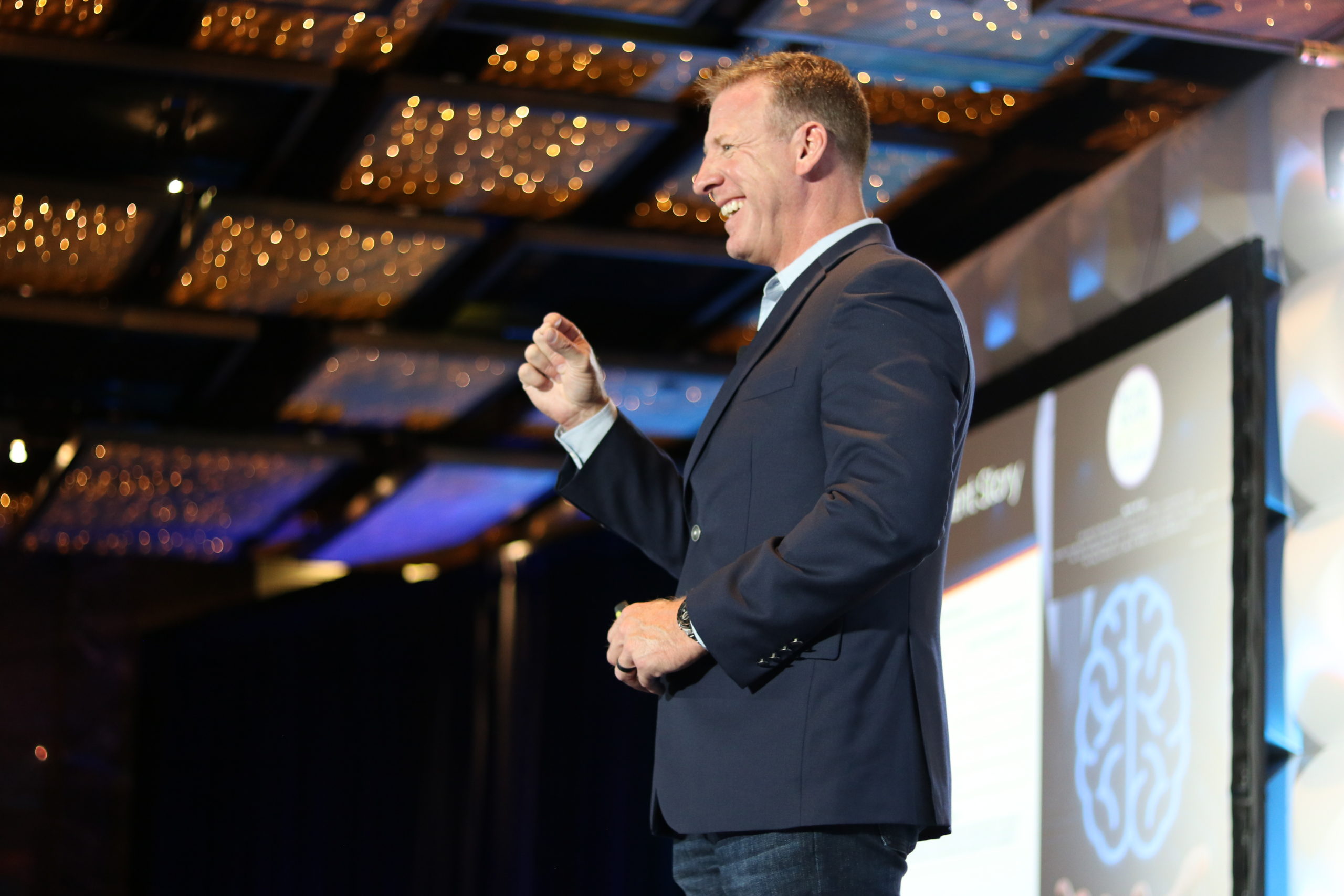
Jeff delivers keynotes at sales kickoffs, leadership summits, and corporate conferences, combining neuroscience, storytelling, and real-world selling experience into sessions that move people and stick long after the event ends.
