
Should You Book a Keynote Speaker for a Mid-Year Sales Kickoff?
About
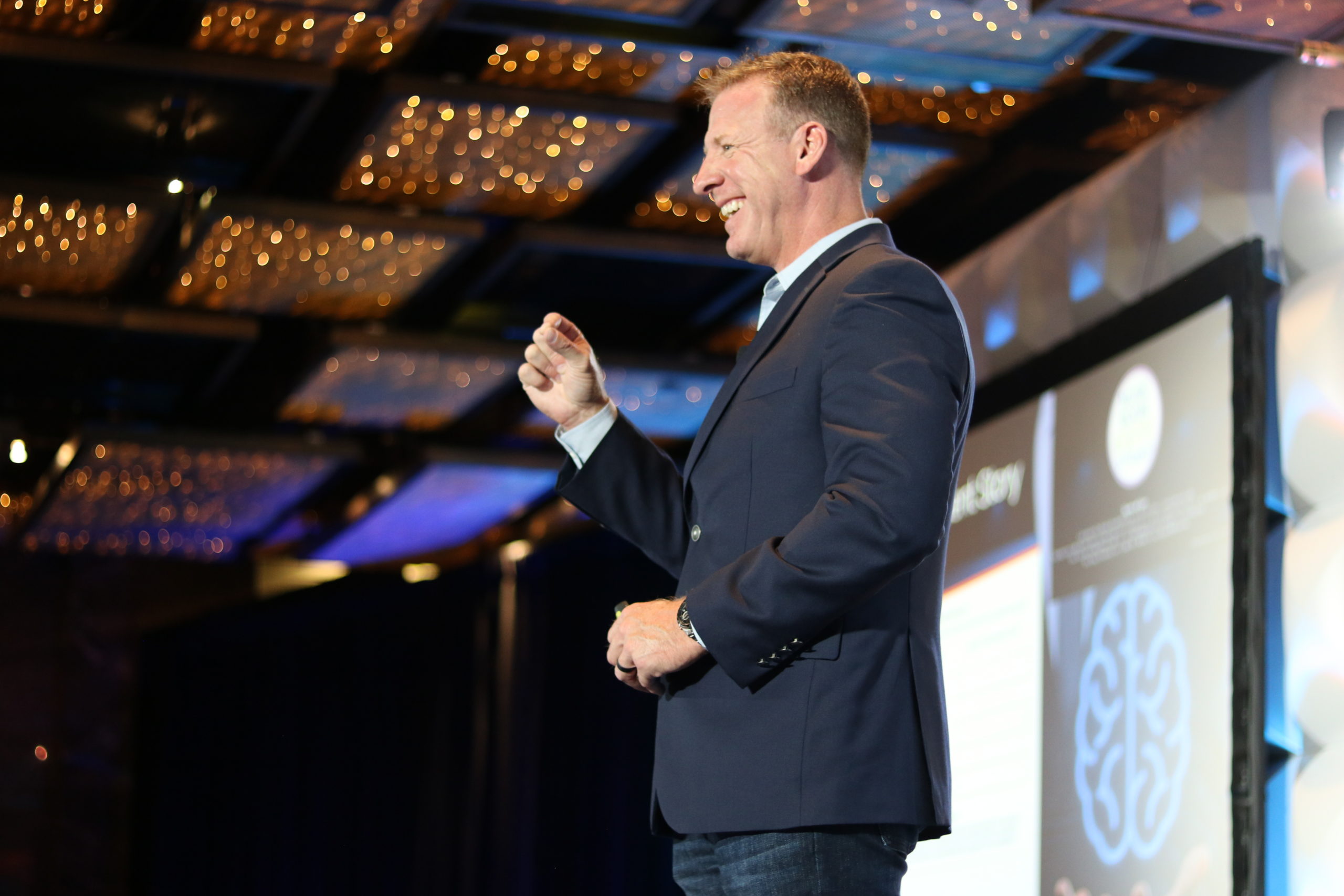
Jeff Bloomfield is a keynote speaker, Wall Street Journal bestselling author, and the founder of Braintrust. He has spent over 20 years helping Fortune 500 sales teams rewire how they communicate, using the neuroscience of trust, decision-making, and buyer behavior to drive results that last. He speaks at corporate events, executive summits, and sales kickoffs across life sciences, financial services, software, and technology.
Experience Highlights
- NeuroSelling methodology and enterprise adoption
- Trust-based selling at the executive level
- Sales transformation in complex, long-cycle industries
- Keynote speaking and executive coaching
Areas of Expertise
By mid-year, the January kickoff is a memory. The number is real, the pipeline has a shape, and the habits sellers promised to change have mostly drifted back. A mid-year sales kickoff is the moment to reset before the second half decides the year.
So should you put an outside keynote speaker on that stage? Sometimes yes, sometimes no. This guide answers the questions sales leaders and planners ask most when they're deciding.
The Short Answer
Book an outside keynote for a mid-year kickoff when you need the team to see the second half differently, not just hear updated targets. Skip it when the meeting is mainly a forecast review or a quick operational check-in.
The deciding question is simple. Does the team need new information, or a new way of seeing the problem? Leaders can deliver information. A keynote is built for the second job.
What Is a Mid-Year Sales Kickoff?
A mid-year sales kickoff (also called a MYKO, mid-year sales meeting, second-half kickoff, or H2 kickoff) is a sales meeting held around the halfway point of the fiscal year to review performance, reset priorities, and build energy for the second half. It's usually shorter and leaner than the annual SKO, often one or two days, and sometimes virtual.
Companies on a non-calendar fiscal year sometimes treat it as their main kickoff. For most, it's the second-biggest sales event of the year.
How Is a Mid-Year Kickoff Different From the January SKO?
| Factor | Annual SKO | Mid-Year Kickoff | What It Means for the Keynote |
|---|---|---|---|
| Mood in the room | Fresh start, optimism | Mixed: some reps ahead, some behind | The keynote has to speak to both groups |
| What sellers know | Plans and targets | Real results and real stalled deals | Content should connect to deals they're working now |
| Length and budget | Larger, longer | Leaner, shorter | Fewer sessions, so each one has to earn its slot |
| Main question | "What's the plan?" | "What's getting in the way?" | Focus on behavior under pressure, not strategy |
| Theme | New theme for the year | Often builds on January's theme | The speaker should know what was said in January |
When Is an Outside Keynote Worth It at Mid-Year?
An outside speaker earns the slot when one or more of these is true.
- Deals are stalling in the middle of the cycle. The pipeline is full, but stage conversion is slow and no-decision losses are climbing.
- Discounting has crept in. Sellers are giving up price to close deals that should close on value.
- The January message didn't stick. Leaders hear the right words in meetings, but behavior in front of buyers hasn't changed.
- The team needs a credible outside voice. After a hard first half, a message from leadership can sound like pressure. The same idea from outside the company can sound like perspective.
- Something big changed. A new product, a new market, a reorganization, or a new buyer reality that the team hasn't absorbed yet.
When Should You Skip the Outside Keynote?
An outside keynote isn't always the right call. Save the budget when:
- The meeting is mostly forecast review and pipeline triage
- It's a short virtual check-in of an hour or two
- The real need is product or process training, which your enablement team is better placed to run
- You booked a strong keynote in January and the team needs follow-through more than a new voice
In those cases, put the investment into manager reinforcement and enablement sessions instead.
What Should a Mid-Year Keynote Focus On?
Mid-year is the best possible moment to talk about why good sellers stall. By now, the team has lived it.
In my keynotes, I call it the Behavior-Access Problem. Experienced sellers already know the playbook, but they can't access it under pressure, so they revert to old habits. Discovery goes shallow, urgency fades, and deals slip into discounting or no-decision. In January, that's a warning. By July, every seller in the room can name the deal where it happened.
I pair that with a simple model of what moves a buyer. Buyers move when they trust the seller, feel the cost of inaction, and see a safe path forward. Loss aversion is 5x stronger than the desire for gain, which is why a buyer who can't see the cost of waiting will keep waiting.
That combination gives the second half a clear frame. It's not "sell harder." It's "here's why the deals you're working are stuck, and here's what changes them." See how I structure a sales keynote around that idea.
Should the Mid-Year Keynote Build on January or Start Fresh?
In most cases, build on January. A mid-year keynote that ignores the annual theme can feel like the company changed its mind.
| Situation | Recommended Approach |
|---|---|
| January's message landed and results are on track | Build on it: go deeper on the behaviors that are working |
| January's message landed but behavior drifted | Build on it: focus on why sellers revert under pressure |
| The strategy changed since January | Start fresh, and have leadership explain the change first |
| No January kickoff, or a new sales leader | Treat mid-year as the main kickoff for the year |
Share your January theme and materials with the speaker. A good speaker will connect to them rather than compete with them. If you need help with the theme itself, see how to choose a sales kickoff theme.
How Long Should a Mid-Year Keynote Be?
Most mid-year keynotes run 45 to 60 minutes, which is a planner norm rather than a rule. Shorter agendas leave less room for long sessions, but cutting a keynote below about 40 minutes usually costs depth before it saves time.
If the meeting is virtual, consider a shorter keynote with built-in interaction. For more detail, see how long a keynote speech should be.
How Far Ahead Should You Book?
Mid-year kickoffs often fall in June, July, or August, which overlaps with conference season. Many experienced planners book four to six months ahead, so for a July kickoff, that means starting the search in the first quarter. See how far in advance to book a keynote speaker.
What Does a Mid-Year Keynote Cost?
Fees depend on the speaker's experience, demand, format, travel, and how much customization the event needs. A mid-year kickoff doesn't change the fee structure, but a virtual format can reduce travel costs. Rather than guessing, ask speakers for a quote with the format, date, and audience size. For a breakdown of what drives cost, see conference keynote speaker fees.
How Will You Know It Worked?
Pick two or three measures before the event, so the keynote has a clear job.
- Stage conversion in the middle of the cycle over the next one to two quarters
- No-decision rate on deals worked after the kickoff
- Discount rate compared with the first half
- Manager observations of discovery and deal conversations
- Shared language showing up in deal reviews and one-on-ones
A keynote doesn't move these alone. It gives managers and enablement a common frame to reinforce, and that combination is what shows up in the numbers.
"We had Jeff as our keynote speaker at our annual sales summit. His knowledge, stage presence and ability to connect with our team made an instant impact."
Mark Schroeder, President, Omnicare, Inc.
Frequently Asked Questions
Is a mid-year sales kickoff worth it?
A mid-year kickoff is worth it when the second half needs a reset: deals are stalling, discounting is rising, or behavior has drifted since January. It's less useful as a long forecast review that could happen in a regular meeting.
Should a mid-year kickoff have an outside keynote speaker?
It should when the team needs a new way of seeing the problem, not just new targets. An outside speaker can deliver a hard message as perspective rather than pressure, especially after a difficult first half.
What should a mid-year sales kickoff keynote focus on?
Focus on why good sellers stall under pressure and what moves buyers in deals that are stuck. Jeff's mid-year keynotes center on the Behavior-Access Problem and the three things buyers need before they move.
How is a mid-year kickoff different from an annual SKO?
It's usually shorter, leaner, and grounded in real first-half results rather than plans. The room is mixed, with some sellers ahead and some behind, so the keynote has to speak to both.
Should the mid-year keynote match our January theme?
Usually, yes. Building on the annual theme keeps the message consistent. Start fresh only if the strategy has changed, and have leadership explain that change before the keynote.
Can a mid-year sales kickoff keynote be virtual?
Yes. Many mid-year kickoffs are virtual or hybrid. Jeff delivers both virtual and in-person keynotes, and a virtual session works best with a slightly shorter run time and built-in interaction.
When should we book a speaker for a July sales kickoff?
Start in the first quarter if you can. Summer overlaps with conference season, and the strongest speakers' calendars fill early.
If you're weighing a keynote for your mid-year kickoff, let's talk about what the second half needs. See how Jeff builds every SKO keynote around how buyers actually decide.
Keynote Speaker
Jeff delivers keynotes at sales kickoffs, leadership summits, and corporate conferences, combining neuroscience, storytelling, and real-world selling experience into sessions that move people and stick long after the event ends.
