
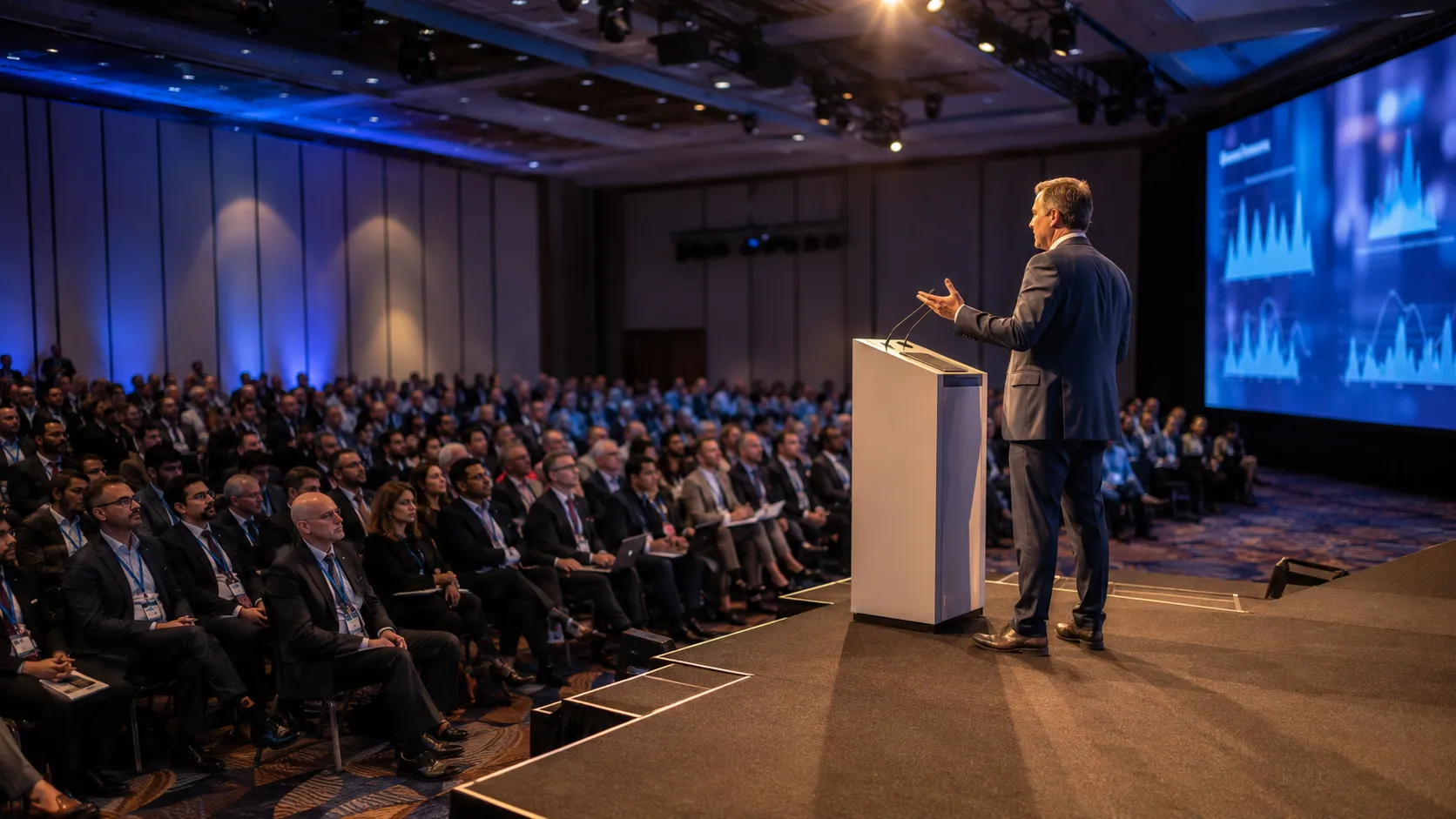
AI Keynote Speaker vs. Tech Futurist: Which Is Right for Your Event?
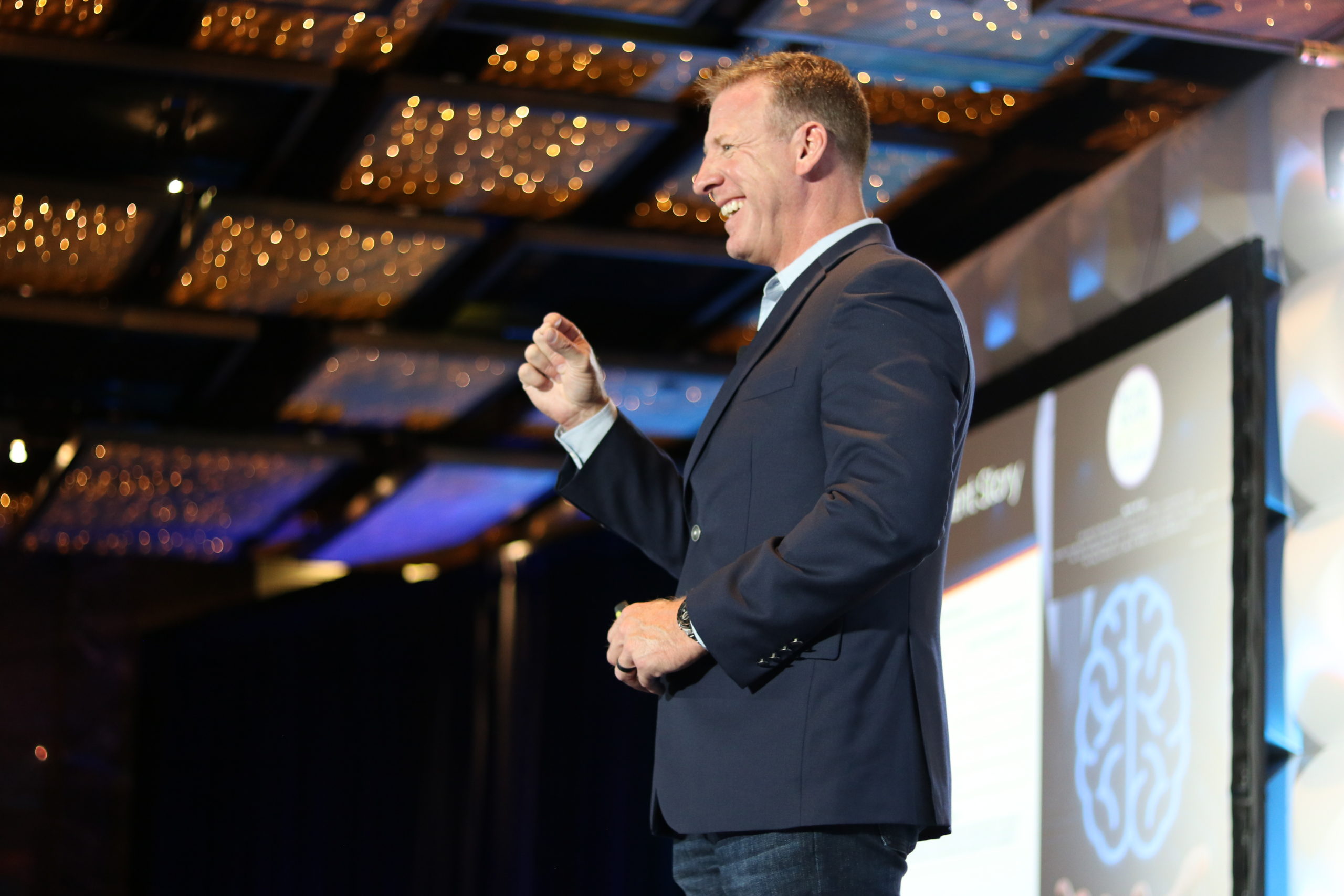
About
Jeff Bloomfield is a keynote speaker, Wall Street Journal bestselling author, and the founder of Braintrust. He has spent over 20 years helping Fortune 500 sales teams rewire how they communicate, using the neuroscience of trust, decision-making, and buyer behavior to drive results that training alone rarely produces. He speaks at corporate events, executive summits, and sales kickoffs across life sciences, financial services, software, and technology, including a growing slate of keynotes on how the human brain responds to AI-driven change.
Experience Highlights
- 20+ years advising Fortune 500 sales and leadership teams on trust-based communication
- Wall Street Journal bestselling author of NeuroSelling
- Keynotes on AI adoption, including "The Human Brain in the Age of AI" and "Leading Humans in an AI-Driven Workplace"
- Every keynote is custom-built with a pre-event customization call included
Areas of Expertise
Choosing between an AI keynote speaker and a tech futurist is one of the most common decisions event planners and Chief People Officers face when building an agenda around technology and the future of work. The two categories sound similar, and speaker bureaus often blur the line between them. But they answer different questions for your audience. A tech futurist tells you what the world might look like in ten or twenty years. An AI keynote speaker tells your workforce what to do about AI right now, this quarter, in the meetings they're already having.
That distinction matters more than most planners realize when the budget, the agenda slot, and the post-event expectations are on the line.
72% of workers say AI makes them question their own value at work. An event built around speculation about the future does little to address that anxiety in the room today.
What Is a Tech Futurist?
A tech futurist is a speaker whose core expertise is trend forecasting. Futurists synthesize signals across technology, demographics, economics, and culture to project where industries, markets, and society are heading over a five, ten, or twenty year horizon.
Typical tech futurist characteristics:
| Characteristic | Description |
|---|---|
| Time horizon | Long-term (5 to 20 years out) |
| Core skill | Trend synthesis and forecasting |
| Content style | Speculative, big-picture, provocative |
| Primary goal | Expand the audience's sense of what's possible |
| Best fit | Innovation summits, strategy offsites, R&D conferences |
Futurist keynotes are genuinely valuable for stretching strategic thinking. They're designed to make a room reconsider its assumptions about where an industry is going. The tradeoff is that they can leave audiences, in the words of many meeting planners, "enlightened but paralyzed." Knowing the world will look different in a decade is interesting. It doesn't tell an HR leader what to do with a workforce that's anxious about AI on Monday morning.
What Is an AI Keynote Speaker?
An AI keynote speaker focuses on the technology that's already reshaping business today, not a hypothetical future state. The best AI speakers combine conceptual clarity with something a futurist keynote typically doesn't offer: an actionable bridge between the technology and the humans who have to adopt it.
Typical AI keynote speaker characteristics:
| Characteristic | Description |
|---|---|
| Time horizon | Present and near-term (0 to 3 years) |
| Core skill | Translating current AI capability into workforce behavior |
| Content style | Practical, grounded, immediately usable |
| Primary goal | Equip audiences to act, adapt, and lead through change now |
| Best fit | All-hands meetings, leadership summits, transformation kickoffs |
This is where my approach to AI content is deliberately different from both categories as they're typically defined. I'm not forecasting what AI might become. As an AI keynote speaker, I focus on how the human brain actually responds to AI adoption right now: the trust gap, the resistance, the decision-making friction, and the anxiety that shows up when people feel replaced rather than equipped. Explore my AI keynote programming for a look at how that plays out on stage.
Side-by-Side Comparison
| Dimension | AI Keynote Speaker | Tech Futurist |
|---|---|---|
| Focus | Present-day AI capability and human response to it | Long-range trend forecasting across tech, culture, and economy |
| Audience takeaway | Specific behaviors to adopt or address immediately | Expanded perspective on where the world is heading |
| Actionability | High. Built around what to do differently starting this week | Lower. Strategic framing more than tactical direction |
| Presentation style | Grounded, conversational, often demonstration-based | Speculative, visionary, provocative |
| Ideal use case | Change management events, AI adoption kickoffs, all-hands meetings | Innovation offsites, strategic planning retreats, R&D conferences |
| Underlying discipline | Behavioral science and workforce psychology | Trend analysis and forecasting methodology |
| Risk if mismatched | Audience may want more visionary framing | Audience leaves inspired but without a next step |
Neither category is inherently better. They're built to solve different problems. The mismatch happens when a planner books a futurist expecting workforce-ready guidance, or books a narrowly technical AI speaker expecting strategic vision. The clearest signal for which one you need is the question your leadership team is actually asking. "Where is AI headed for our industry" points toward a futurist. "How do we get our people to actually adopt this without losing trust" points toward an AI keynote speaker with a human-behavior lens.
Why the Human Side of AI Is the Harder Problem to Solve
Most organizations don't have an AI capability problem. They have an AI adoption problem, and adoption is a human behavior question, not a technology question.
My approach to this is grounded in neuroscience, not speculation. I show audiences what's actually happening in the brain when people encounter AI-driven change: why trust breaks down, why resistance shows up even when the tool is objectively useful, and what leaders can do differently in the first conversation about AI to keep their teams engaged instead of defensive. That's a fundamentally different presentation than a forecast of where large language models will be in 2035.
When to Choose an AI Keynote Speaker
Consider an AI keynote speaker with a human-behavior focus when:
- Your event is centered on change management, digital transformation, or AI rollout
- Leadership needs practical language for talking to teams about AI without triggering fear
- The audience is non-technical and needs a translator, not a technologist
- You want attendees to leave with something to apply in their next team meeting
- The goal is adoption and behavior change, not strategic horizon-scanning
When to Choose a Tech Futurist
Consider a tech futurist when:
- The event is a strategic planning offsite or innovation summit
- Leadership wants to stress-test long-term assumptions about the industry
- The goal is provoking new thinking about market disruption over a 5 to 10 year window
- The audience is senior strategists who will translate the vision into planning themselves
- There's a dedicated follow-up process to convert big-picture ideas into action
Can an Event Use Both?
Some agendas genuinely benefit from pairing a futurist's horizon-expanding vision with an AI keynote speaker's practical, human-centered translation of what to do now. If budget and agenda time allow, a futurist can open the strategic aperture in a morning session, while an AI keynote speaker closes the day by turning that vision into a workforce-ready action plan. For single-keynote events, most Chief People Officers and transformation leaders find more immediate value in the practical, adoption-focused talk, since the audience walks out with something to do differently the same week.
What to Ask Before You Book
Before committing to either type of speaker, ask:
- What question is our leadership actually trying to answer: "where is this going" or "what do we do now"?
- Does our audience need inspiration to think bigger, or tools to act differently tomorrow?
- Is the content customized to our industry and our workforce's specific AI anxieties, or is it a generic trend deck?
- What will attendees be able to do differently in their next meeting after this keynote?
- Does the speaker have real experience translating AI's impact into human behavior, or are they describing technology from the outside?
Frequently Asked Questions
Is an AI keynote speaker the same as a tech futurist?
No. A tech futurist focuses on long-term trend forecasting across technology, culture, and the economy. An AI keynote speaker focuses on the present-day impact of AI, often with a specific emphasis on how the workforce adopts, resists, or trusts the technology right now.
Which is better for an all-hands meeting about AI adoption?
An AI keynote speaker with a human-behavior focus is typically the stronger fit for all-hands meetings. Employees at these events usually need practical framing and reassurance about how AI affects their role today, not a speculative forecast of where the technology is headed in twenty years.
Do tech futurists talk about AI specifically?
Many tech futurists include AI as one of several trends they cover alongside topics like biotechnology, demographics, and automation broadly. Their treatment of AI tends to be part of a wider forecasting narrative rather than a deep, standalone focus on workforce adoption.
What makes an AI keynote actionable versus just interesting?
An actionable AI keynote gives the audience specific behaviors, conversations, or decisions to apply immediately, rather than leaving them with only a broadened perspective. Speakers who combine neuroscience-based insight into human behavior with real AI context tend to deliver the most immediately usable takeaways.
How do I know if my event needs a futurist instead?
If your leadership team's primary goal is stress-testing long-term strategy or expanding thinking about where an industry is headed over the next decade, a futurist's speculative, big-picture approach is likely the better fit than a workforce-focused AI keynote.
Can Jeff Bloomfield's AI keynote be customized for our industry?
Yes. Every keynote is custom-built for the audience, including AI-focused talks like "The Human Brain in the Age of AI" and "Leading Humans in an AI-Driven Workplace." A pre-event customization call is included with every booking to align the content with your industry and your team's specific AI adoption challenges. Learn more on the AI keynote speaker page.
What size or format of event is this content best suited for?
This human-centered AI content works across formats, from large all-hands and conference keynotes to smaller leadership summits, and is available both virtually and in person.
The Bottom Line
A tech futurist and an AI keynote speaker both address technology's impact on the future, but they solve different problems for different rooms. If your event needs to expand strategic thinking about where an industry is headed, a futurist's speculative lens has real value. If your event needs to move a workforce through AI adoption with less resistance and more trust, you need a speaker whose expertise is grounded in how people, not just algorithms, actually change.
If you're evaluating speakers for an AI-focused event and want a conversation grounded in workforce behavior rather than speculation, it's worth a direct conversation. Reach out to book Jeff Bloomfield for your next event.
Keynote Speaker
Jeff delivers keynotes at sales kickoffs, leadership summits, and corporate conferences, combining neuroscience, storytelling, and real-world selling experience into sessions that move people and stick long after the event ends.
