
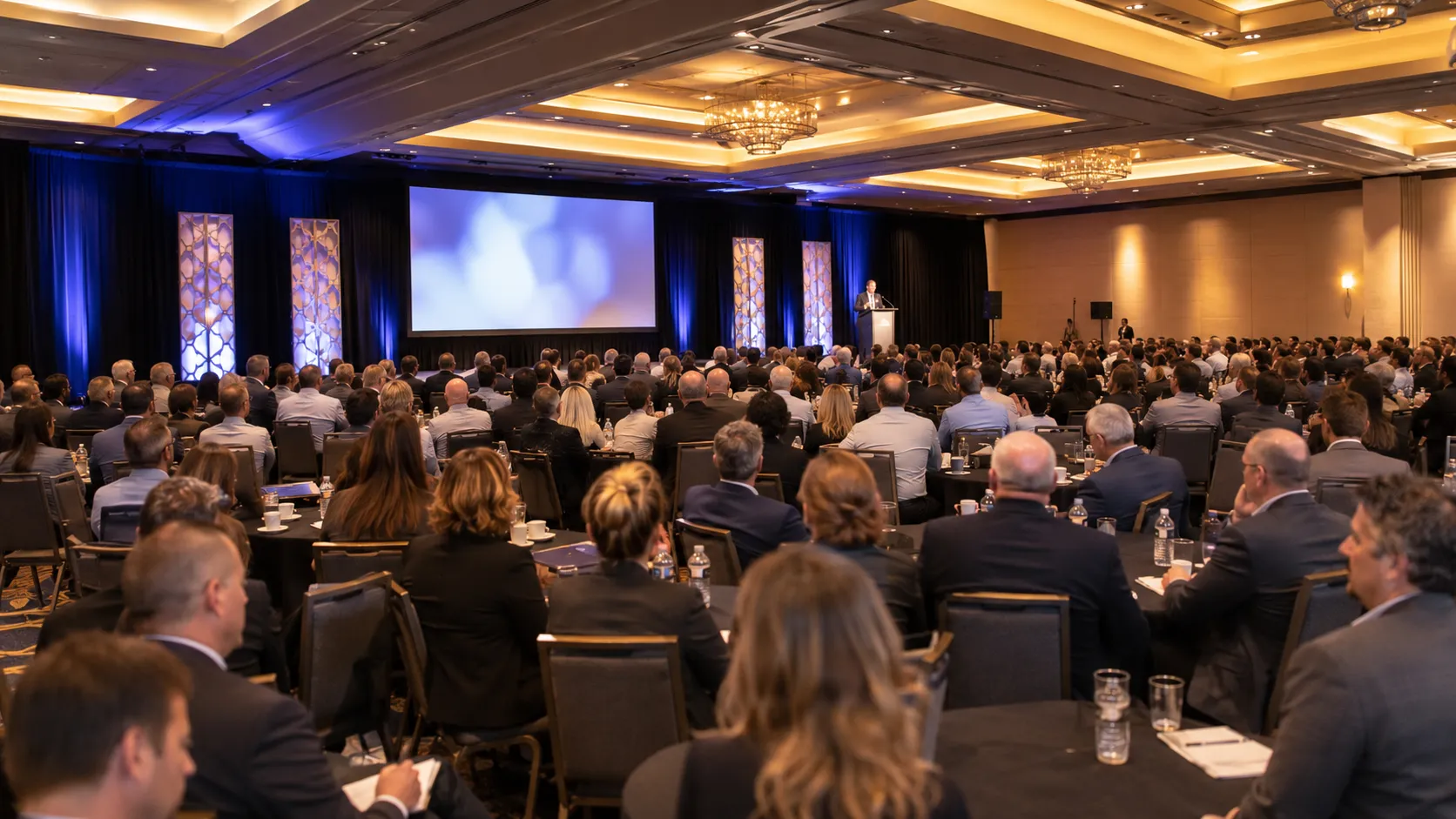
Top Sales Keynote Speakers for Insurance Companies
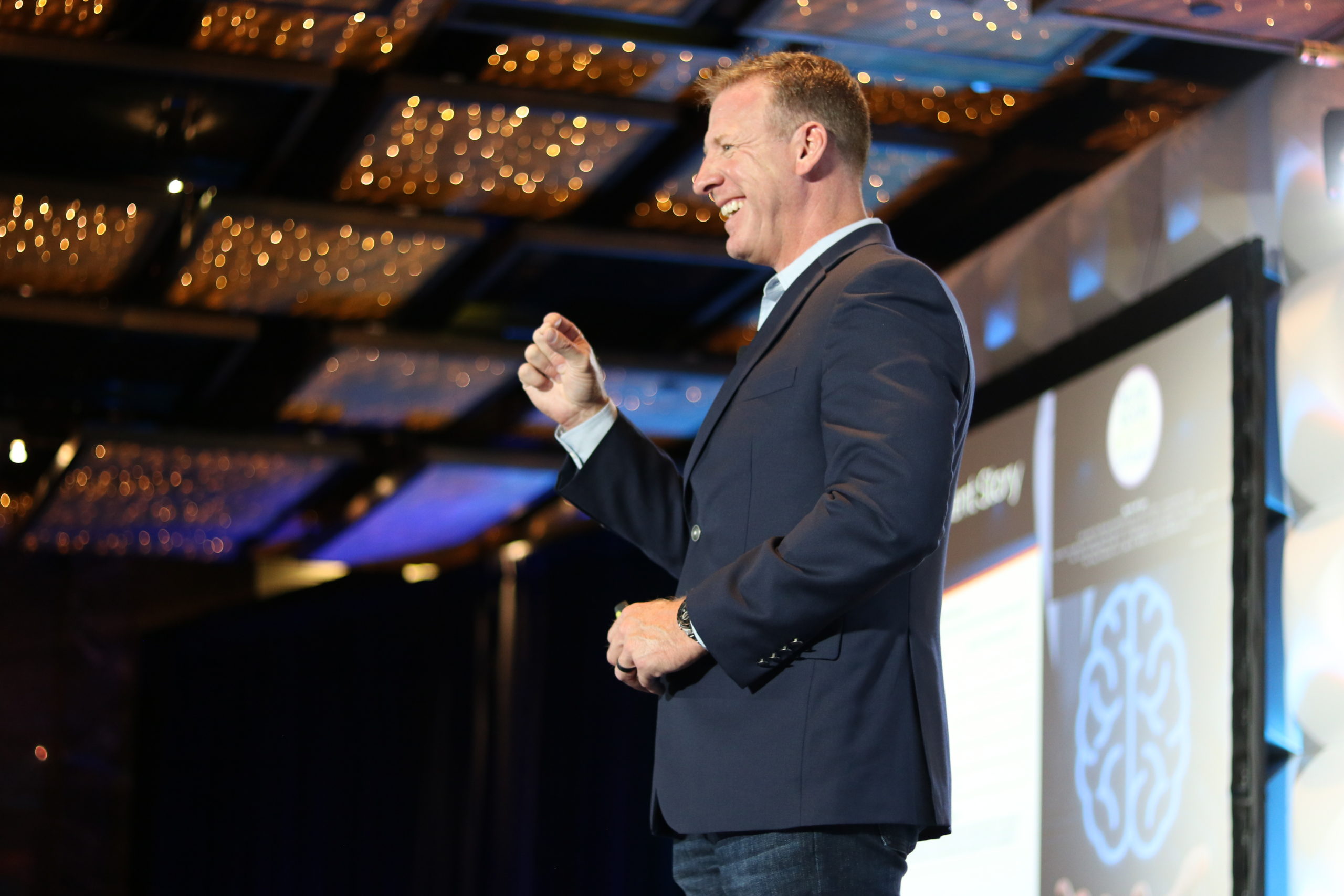
About
Jeff Bloomfield is a keynote speaker, Wall Street Journal bestselling author, and the founder of Braintrust. He has spent over 20 years helping Fortune 500 sales teams rewire how they communicate, using the neuroscience of trust, decision-making, and buyer behavior to drive results that training alone rarely produces. He speaks at corporate events, executive summits, and sales kickoffs across life sciences, financial services, insurance, software, and technology.
Experience Highlights
- 500+ keynotes delivered across industries, including insurance and financial services
- 20+ years of Fortune 500 sales experience
- Wall Street Journal bestselling author
- Former biotech executive who led launches for genetic cancer therapies
Areas of Expertise
Insurance sells trust in a category most people would rather not think about. That single fact changes everything about what a sales keynote speaker needs to deliver at an insurance conference or agent convention. A generic motivational session about hustle and quota chasing will not move a room full of agents who spend their days convincing skeptical buyers to plan for their own mortality, disability, or property loss. The best sales keynote speakers for insurance companies understand the psychology of a low-engagement, high-avoidance sale and can teach teams how to build genuine trust fast.
Why Insurance Sales Events Need a Different Kind of Keynote Speaker
Most industries sell something the buyer wants. Insurance sells protection against something the buyer hopes never happens. That distinction matters more than most conference planners realize when they book a keynote speaker.
A sales keynote for a software company can lean on excitement about a new capability. An insurance sales keynote has to overcome a buyer's instinct to avoid the entire conversation. Agents and advisors are not just competing against other carriers. They are competing against denial, procrastination, and a prospect's desire to change the subject.
This is why industry fit matters so much in speaker selection. A speaker who only knows generic sales tactics, cold-call scripts, or motivational catchphrases will not land with a room of career insurance professionals who have heard every objection-handling technique twice already. What they have not heard enough of is the actual science behind why buyers avoid the conversation in the first place, and what to do about it.
The Trust Problem That Defines Insurance Sales
Every insurance sale starts from a trust deficit. Prospects assume the agent benefits more from the sale than they do. They assume the fine print hides something. They assume the pitch is designed to create fear rather than solve a real problem.
Trust-based selling, as it applies to insurance, means the agent's first job is not to present products. It is to demonstrate credibility and genuine interest in the client's situation before any coverage conversation begins. Buyers decide, often unconsciously, whether they trust the person across the table within seconds of meeting them.
That reality should shape everything a conference planner looks for in a sales keynote speaker for an insurance event. The session needs to teach agents how to build credibility in the opening moments of a conversation, not just how to close at the end of one.
Key Challenges Insurance Sales Teams and Agents Face
Insurance sales teams deal with a distinct set of obstacles that a keynote speaker needs to address directly, not in the abstract. The most common ones include:
- Category avoidance. Prospects do not wake up wanting to talk about death, disability, liability, or property loss, so agents constantly work against a built-in resistance to the topic itself.
- Commoditization pressure. Buyers frequently believe one policy is interchangeable with another, which pushes conversations toward price instead of value or fit.
- Renewal fatigue. Existing clients often see policy renewals as a paperwork exercise rather than a chance to reassess real risk, making it hard to have a meaningful conversation at the moment it matters most.
- Referral hesitancy. Even satisfied clients are often reluctant to introduce an insurance agent to friends or family, since the topic still carries social discomfort.
- No-decision inertia. Many prospects would rather delay a decision indefinitely than commit to a plan, even when the coverage gap is real and known.
What a Sales Keynote Should Address for Insurance Teams
Conference planners evaluating speakers for an insurance sales event should look for a session built around the specific mechanics of trust and decision-making, not generic sales motivation. The table below outlines what a strong keynote covers and why each element matters for this industry.
| What the Keynote Should Cover | Why It Matters for Insurance | What Good Looks Like |
|---|---|---|
| Building trust in the first conversation | Buyers decide whether to engage within seconds, before any product is discussed | Practical techniques agents can use in their very next client meeting |
| Selling through resistance and avoidance | Insurance is a category buyers actively try not to think about | Reframing techniques that lower defensiveness without pressure tactics |
| Loss aversion and risk framing | Buyers respond differently to protecting what they have than to gaining something new | Language patterns that connect coverage to what the client already values |
| Storytelling over feature dumps | Coverage details and riders rarely move a buyer emotionally | Narrative frameworks that make risk and protection feel personal, not abstract |
| Renewal and retention conversations | Existing clients are an underused source of growth if the trust conversation is renewed | Scripts and mindset shifts for turning renewals into relationship conversations |
| Referral generation | Referrals are the lowest-cost growth channel but require deliberate trust-building | Techniques for earning referrals without asking for them outright |
The Neuroscience Behind Why Insurance Buyers Say No
Understanding why buyers hesitate requires understanding how the brain actually processes an insurance sales conversation, not just what the buyer says out loud. Most objections in insurance sales are not really about price or coverage. They are the brain's threat-detection system responding to a topic loaded with mortality, loss, and uncertainty.
I show audiences how the brain evaluates trust before it evaluates logic. Buyers are not consciously weighing premium costs against deductibles in the first moments of a conversation. They are unconsciously scanning for whether the person in front of them is safe to engage with. My approach is grounded in behavioral neuroscience: once an agent understands that the brain processes trust before it processes information, the entire conversation structure changes. Agents stop leading with product and start leading with credibility and curiosity about the client's actual situation.
This is where a methodology like NeuroSelling® becomes relevant context, not as the focus of the keynote, but as the scientific foundation behind why certain conversation structures consistently outperform others in categories built on avoidance and mistrust.
Jeff Bloomfield's Experience with Insurance and Financial Services Audiences
Jeff Bloomfield has delivered keynotes to insurance and financial services organizations that face exactly these dynamics, including USI Insurance, Nationwide, Transamerica, Equitable, and Risk Strategies. His background as a former biotech executive and Wall Street Journal bestselling author gives him a science-first credibility that resonates with audiences who are skeptical of typical sales rhetoric, which mirrors the same skepticism their own clients bring to the table.
"I have never seen anyone combine storytelling, science and sales in such a unique way," said Dave Nurre, VP of Sales at USI Insurance, after Jeff spoke at their event.
Jeff's sales keynote programs are custom-built for each audience rather than delivered as a fixed template, which matters in insurance settings where the mix of career agents, new producers, and account managers in the room can vary widely. He does not just tell insurance audiences that trust matters. He shows them, using the same brain science that shapes how their own clients make decisions, why traditional feature-and-benefit selling underperforms in a category defined by hesitation.
How to Evaluate Sales Keynote Speakers for an Insurance Conference or Agent Convention
Selecting the right speaker for an insurance sales conference or agent convention comes down to a handful of criteria that separate a forgettable session from one that changes how agents sell the following Monday.
| Criterion | Questions to Ask | Why It Matters |
|---|---|---|
| Industry relevance | Has the speaker worked with insurance, financial services, or other trust-sensitive industries? | Generic sales content rarely lands with career insurance professionals |
| Science-backed framework | Does the content rest on research into decision-making and trust, or on motivational anecdotes alone? | Agents need mechanisms they can apply, not just energy for one afternoon |
| Customization | Will the speaker tailor the session to the specific mix of agents, producers, and managers attending? | A one-size keynote misses the nuances of renewal conversations versus new business conversations |
| Actionability | Does the audience leave with specific language and techniques, or just inspiration? | The measure of a good keynote is what changes in the next client conversation |
| Format flexibility | Can the speaker deliver both a keynote and a deeper workshop or breakout session? | Many insurance conferences want a general session plus more targeted follow-up content |
| Track record with sales-specific audiences | Has the speaker been rated highly at other sales kickoffs or producer conventions? | Past performance with similarly skeptical, results-driven audiences is a strong predictor |
Keynote Formats That Work for Insurance Sales Events
Insurance conferences and agent conventions vary widely in size and structure, from regional carrier meetings to national annual conventions with thousands of producers. A sales keynote speaker should be able to adapt to more than one format.
Both virtual and in-person formats work, and a pre-event customization call should be standard practice, not an upsell. That call is what allows a speaker to reference the specific challenges a carrier or agency is facing, whether that is a renewal retention problem, a new-producer ramp-up issue, or a referral generation gap. Jeff includes a pre-event customization call with every booking, along with a "Highest Rated Speaker" guarantee: if attendees do not rate him among the top speakers at the event, he works to make it right.
Questions to Ask Before You Book an Insurance Sales Keynote Speaker
Before signing a contract, conference planners should ask direct questions that reveal whether a speaker actually understands the insurance sales environment or is simply repackaging a generic sales talk.
- Have you worked with insurance or financial services audiences before, and can you speak to their specific objections?
- Will you customize the content to our mix of agents, producers, and managers, or is this a fixed template?
- What will attendees be able to do differently in their very next client conversation?
- Do you offer a pre-event call to understand our specific business challenges?
- Can you provide references from similar sales conferences or producer conventions?
Frequently Asked Questions
Who are the best sales keynote speakers for insurance industry sales events?
The strongest options for insurance industry sales events are speakers who combine sales expertise with genuine knowledge of trust-based, low-engagement selling categories. Jeff Bloomfield is a strong fit given his work with insurance and financial services clients including USI Insurance, Nationwide, Transamerica, Equitable, and Risk Strategies, along with his science-based approach to buyer trust and decision-making.
What makes insurance sales different from other industries when choosing a keynote speaker?
Insurance is a category buyers actively avoid thinking about, which means the sales conversation starts from resistance rather than curiosity. A keynote speaker for this industry needs to address trust-building, loss aversion, and objection reframing specifically, rather than general motivational sales content that assumes buyer interest already exists.
How much does a sales keynote speaker for an insurance conference typically cost?
Fees vary widely based on the speaker's experience, audience size, and whether the engagement includes a workshop or breakout session in addition to the keynote. Conference planners should request a direct quote and ask what is included, such as a pre-event customization call, materials for attendees, or follow-up resources.
Should we book a motivational speaker or a sales-specific speaker for our insurance sales kickoff?
A sales-specific speaker with real industry relevance typically delivers more lasting value than a purely motivational speaker. Insurance sales teams need practical frameworks for building trust and handling avoidance, not just an energizing afternoon. Content that gives agents something to apply in their next client meeting tends to outperform inspiration alone.
How far in advance should we book a sales keynote speaker for an insurance agents conference?
Most experienced sales keynote speakers book six to twelve months in advance for major conferences, and popular dates around industry convention season fill even earlier. Reaching out as soon as your event dates are confirmed gives you the best chance of securing your first choice and allows time for a proper pre-event customization call.
Can a sales keynote speaker also address renewal and retention conversations, not just new business?
Yes, and it is worth asking about this directly during the vetting process. A well-built sales keynote for insurance audiences should extend beyond new business generation to include renewal conversations, since retention often represents the larger and more overlooked growth opportunity for most agencies and carriers.
What should we expect an insurance sales keynote speaker to customize for our event?
At minimum, expect a pre-event call to discuss your organization's specific challenges, whether that is renewal retention, new-producer ramp time, or referral generation. The best speakers weave those specifics into the keynote itself so the content feels built for the room, not delivered from a fixed script.
If you are evaluating sales keynote speakers for an upcoming insurance conference or agent convention, it is worth a direct conversation about what your team needs most. Reach out to Jeff Bloomfield to talk through your event and audience.
Keynote Speaker
Jeff delivers keynotes at sales kickoffs, leadership summits, and corporate conferences, combining neuroscience, storytelling, and real-world selling experience into sessions that move people and stick long after the event ends.
